
 English
 русский
 Türk
TürkContent
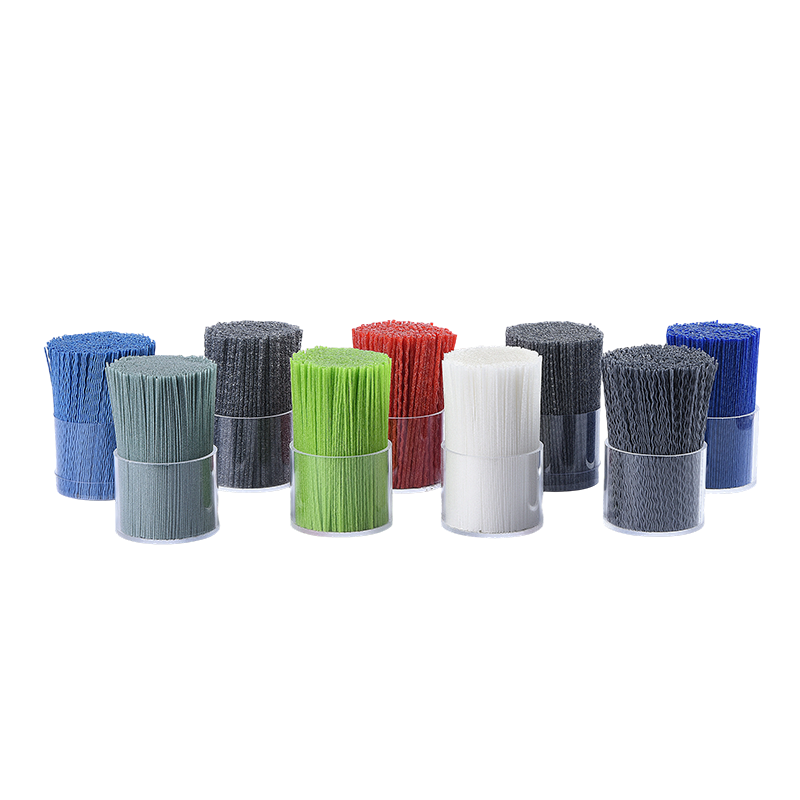
Nylon PA6 (Polyamide 6) stands as one of the most widely used thermoplastic polymers in the brush manufacturing industry. Its unique balance of mechanical strength, elasticity, and chemical resistance makes it suitable for a vast array of applications, from household cleaning to heavy-duty industrial surface treatment. While it is technically a hygroscopic material—meaning it absorbs moisture from the air—this property can actually be managed to enhance the filament's toughness. The key to success with PA6 lies in understanding its physical limitations and processing requirements. When properly handled, PA6 filaments provide exceptional durability and sweep efficiency, outperforming many natural fibers and cheaper synthetic alternatives in rigorous scrubbing environments.
Exceptional Mechanical Properties and Abrasion Resistance
The primary reason engineers and product designers select Nylon PA6 for brush filaments is its outstanding mechanical profile. It possesses high tensile strength and remarkable stiffness, allowing the bristles to maintain their shape during aggressive cleaning tasks. Unlike softer polymers that may bend permanently or break under pressure, PA6 exhibits excellent recovery characteristics.
Specifically, the material's wear resistance is a critical factor in industrial applications. In friction tests comparing synthetic brush materials, Nylon PA6 consistently shows lower wear rates than Polypropylene (PP). This means that brushes made from PA6 filaments have a longer service life, requiring less frequent replacement. For industrial floor sweeps or heavy-duty street cleaning brushes, this durability translates directly into reduced maintenance costs and operational downtime. Furthermore, PA6 maintains its integrity across a wide temperature range, ensuring that the bristles do not become brittle in cold environments or excessively soft in high-heat conditions.
Chemical Stability and Solvent Resistance
In many industrial and household cleaning scenarios, brushes are exposed to harsh chemicals, oils, and alkaline solutions. Nylon PA6 demonstrates robust chemical stability, particularly regarding alkali resistance. This makes it an ideal candidate for applications such as bottle washing, food processing equipment cleaning, and industrial parts degreasing, where caustic soda or other alkaline agents are frequently used.
While PA6 is resistant to many solvents and oils, users must be aware of its solubility profile. It is not suitable for use with strong acids or specific solvents like phenol and formic acid, as these can degrade the polymer structure. However, for the vast majority of cleaning fluids and industrial lubricants, PA6 remains inert and structurally sound. This chemical resilience ensures that the filament does not swell, soften, or dissolve when exposed to standard cleaning agents, thereby maintaining the brush's performance consistency over time.
Managing Hygroscopicity and Dimensional Stability
One of the most distinct characteristics of Nylon PA6 is its hygroscopic nature—it absorbs moisture from the atmosphere. While this is often viewed as a limitation due to the potential for dimensional changes (swelling or shrinking), it also offers a benefit regarding the filament's flexibility. Moisture acts as a plasticizer for Nylon; a dry PA6 filament can be somewhat brittle, whereas a conditioned filament containing a small percentage of moisture becomes tougher and more resistant to impact.
To ensure dimensional stability, manufacturers must carefully control the humidity levels during storage and the tufting process. If the filament is too dry, it may crack during the bending of the staples into the brush block. If it is too wet, the tight tolerances required for precision industrial brushes may be compromised. Therefore, high-quality PA6 brush filaments are typically pre-dried and conditioned to an ideal moisture content before processing. This preparation mitigates the risk of post-production warping and ensures the brush performs consistently regardless of the ambient humidity of its end-use environment.
Diverse Applications in Household and Industrial Markets
The versatility of Nylon PA6 allows it to be utilized in a broad spectrum of brush products. Its physical properties can be fine-tuned during the extrusion process to produce either stiffer bristles for heavy scrubbing or softer filaments for delicate surface cleaning.
Common applications include:
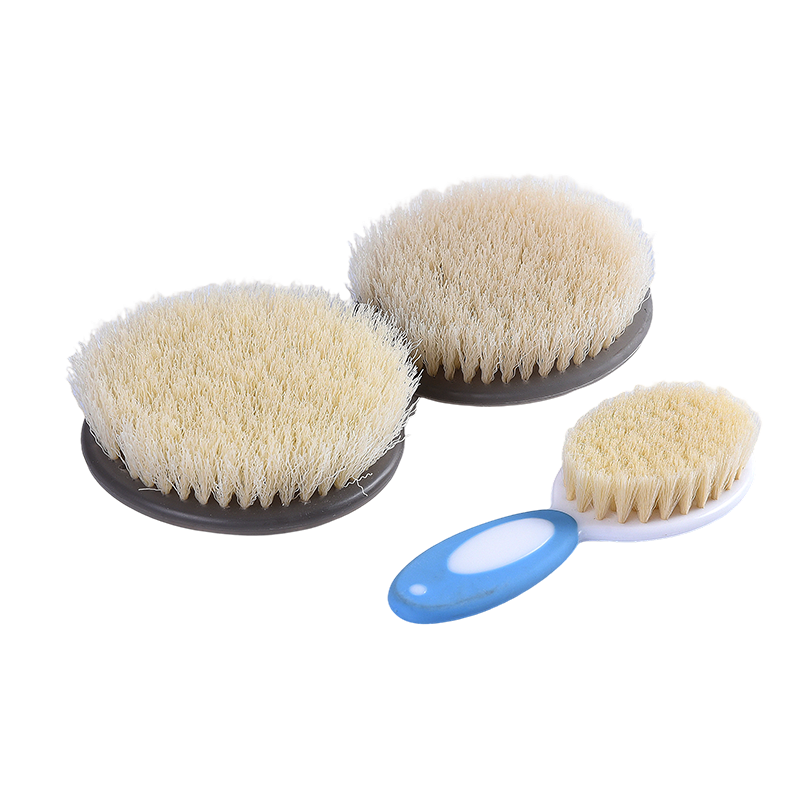
- Household Cleaning: Bowl brushes, pot brushes, and bath brushes benefit from PA6's stiffness, which effectively removes baked-on food and grime without scratching surfaces excessively.
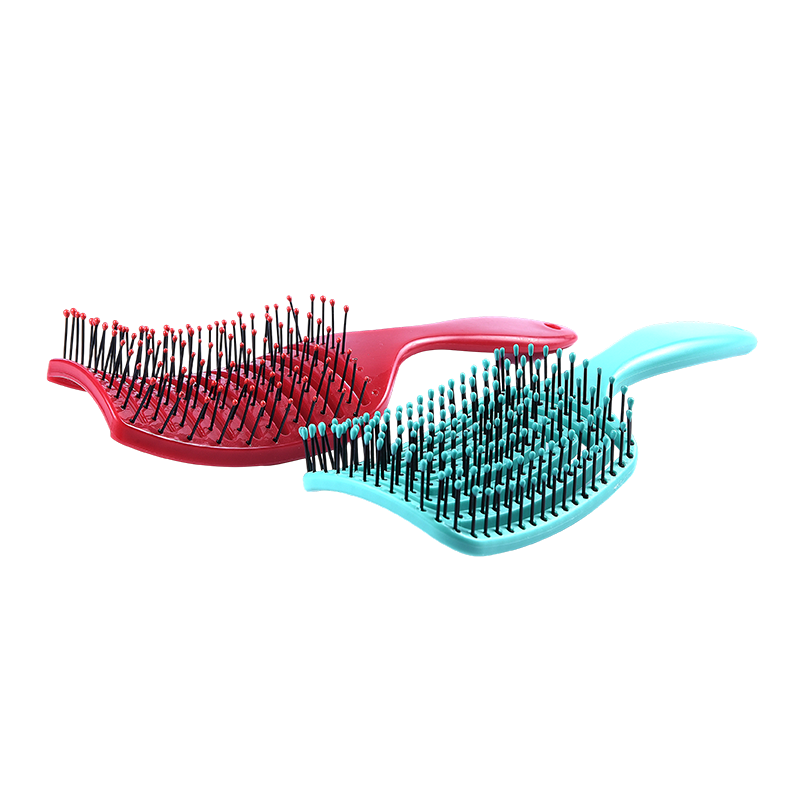
- Personal Care: Face brushes and cosmetic brushes often use softer grades of PA6 that are gentle on the skin yet durable enough to withstand repeated washing.
- Industrial Sealing and Sweeping: Strip brushes made with PA6 are essential for door seals, conveyor belt cleaning, and dust containment, thanks to the material's excellent fatigue resistance.
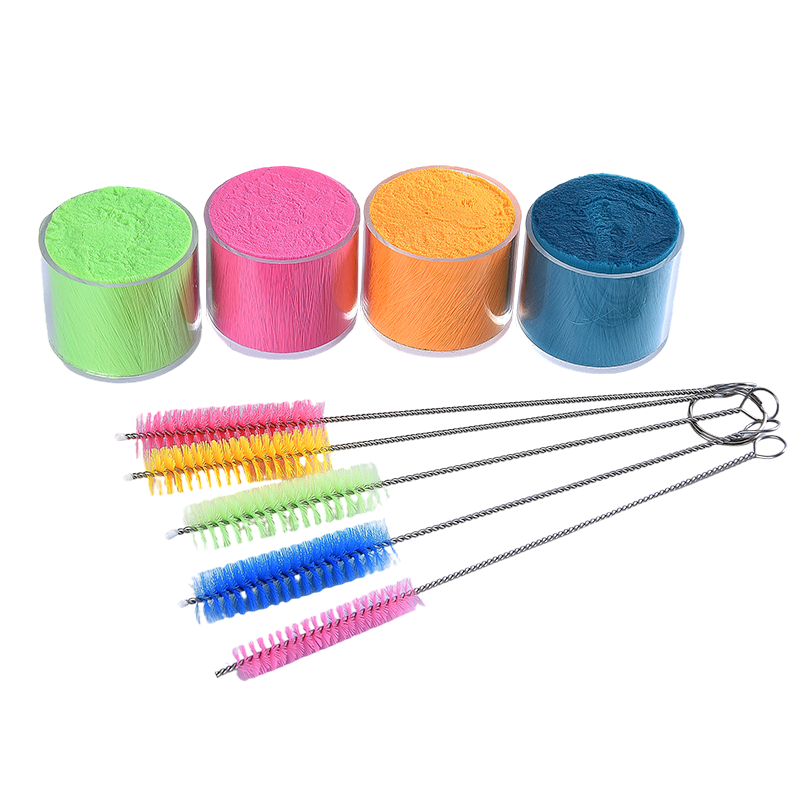
- Tube and Bottle Cleaning: The flexibility and toughness of PA6 allow it to navigate the curved interiors of bottles and cylinders, scrubbing the walls effectively without snapping.
Cost-Performance Ratio and Selection Criteria
When evaluating materials for brush manufacturing, the decision often comes down to the cost-performance ratio. Nylon PA6 typically sits in a mid-range price point—more expensive than Polypropylene but often less expensive than Nylon PA612 or specialized animal hairs. However, because of its superior wear resistance and impact strength, PA6 often offers a lower total cost of ownership.
A cheaper brush that fails after 50 hours of use is ultimately more expensive than a PA6 brush that lasts for 500 hours. For manufacturers, this means fewer warranty claims and higher customer satisfaction. When selecting PA6 brush filament, it is crucial to communicate the specific application scenario to the supplier. Factors such as the expected operating temperature, exposure to specific chemicals, and the required stiffness (durometer) will determine the exact grade of PA6 that should be used.
Conclusion
Nylon PA6 brush filament remains a cornerstone of the brush industry due to its reliable mechanical properties, chemical resilience, and adaptability. While its tendency to absorb moisture requires careful handling, this characteristic is easily managed through proper processing and storage. For both household cleaning tools and heavy-duty industrial brushes, PA6 provides a durable, efficient, and economically sound solution that withstands the rigors of daily use. By choosing the right grade of PA6 for the specific environment, manufacturers can ensure their products deliver exceptional cleaning performance and longevity.