

 English
 русский
 Türk
Türk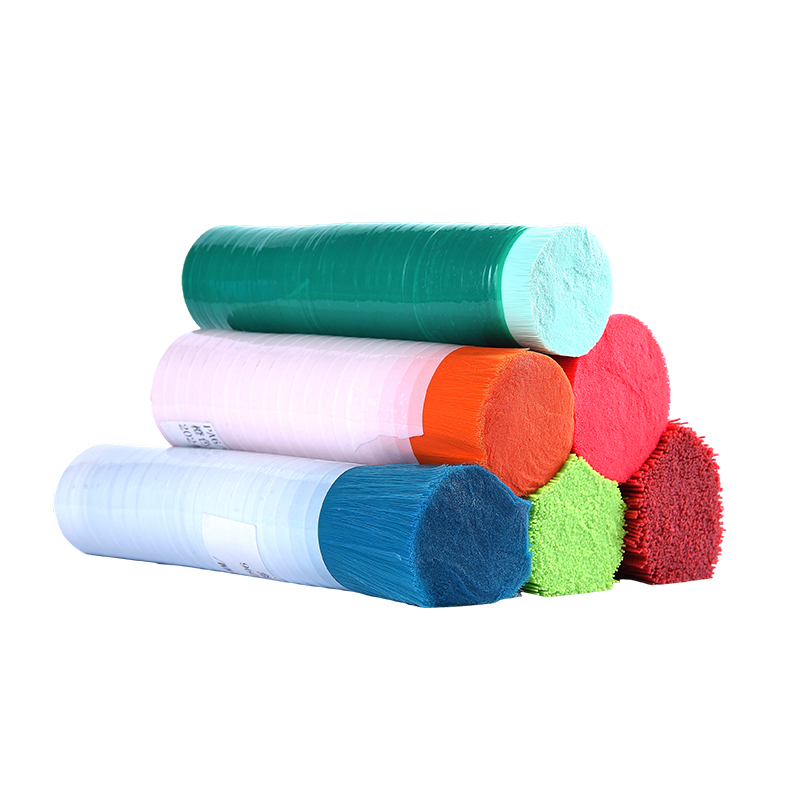
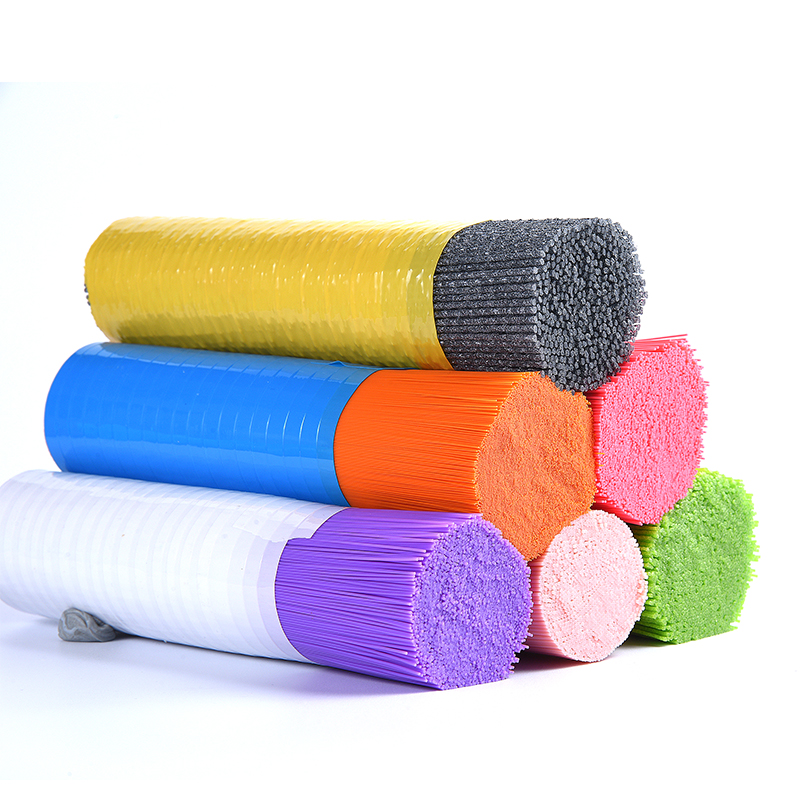
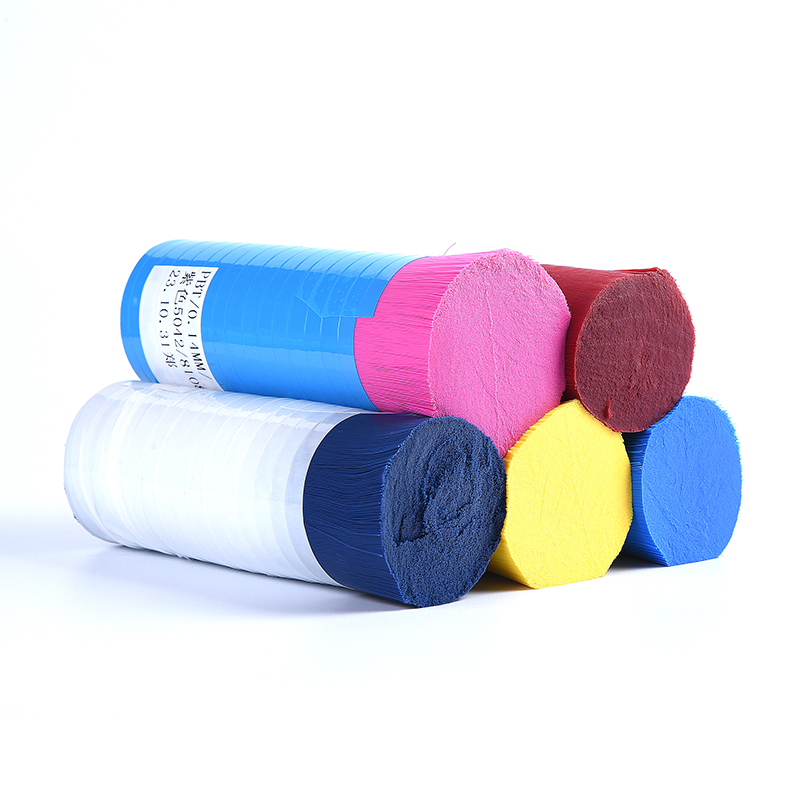
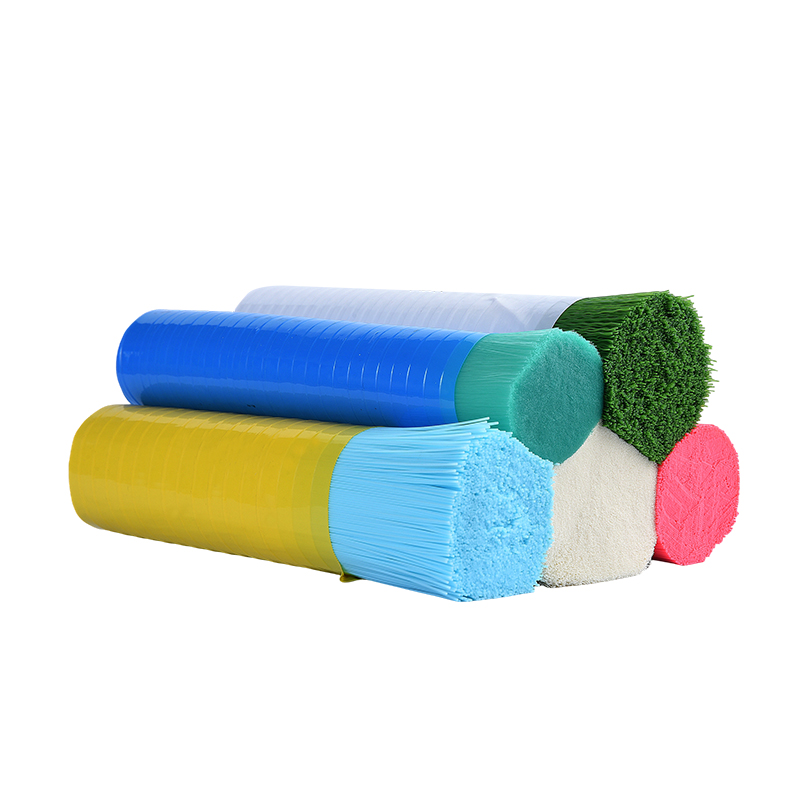
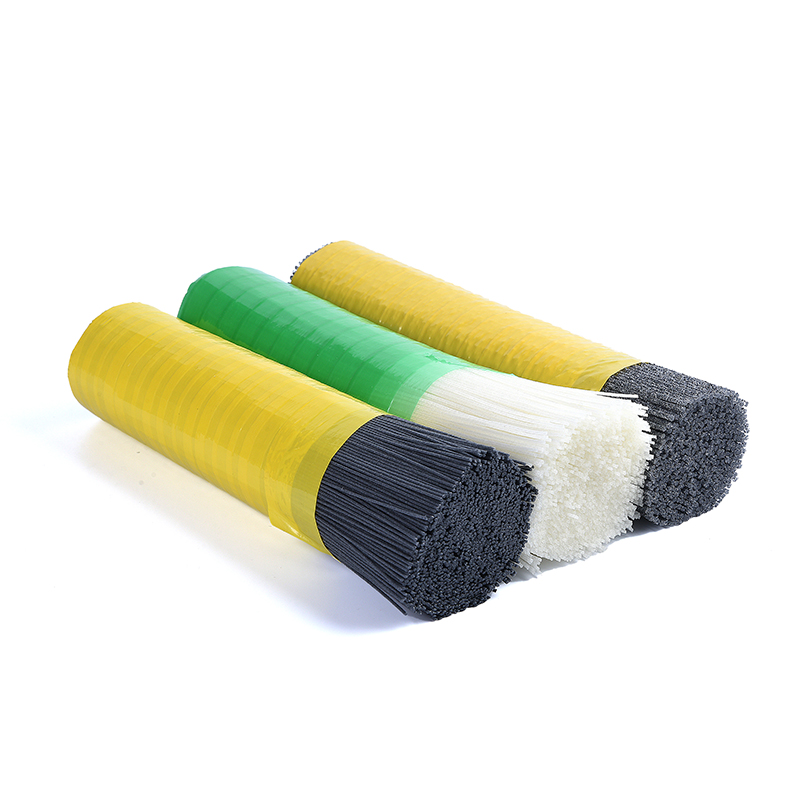
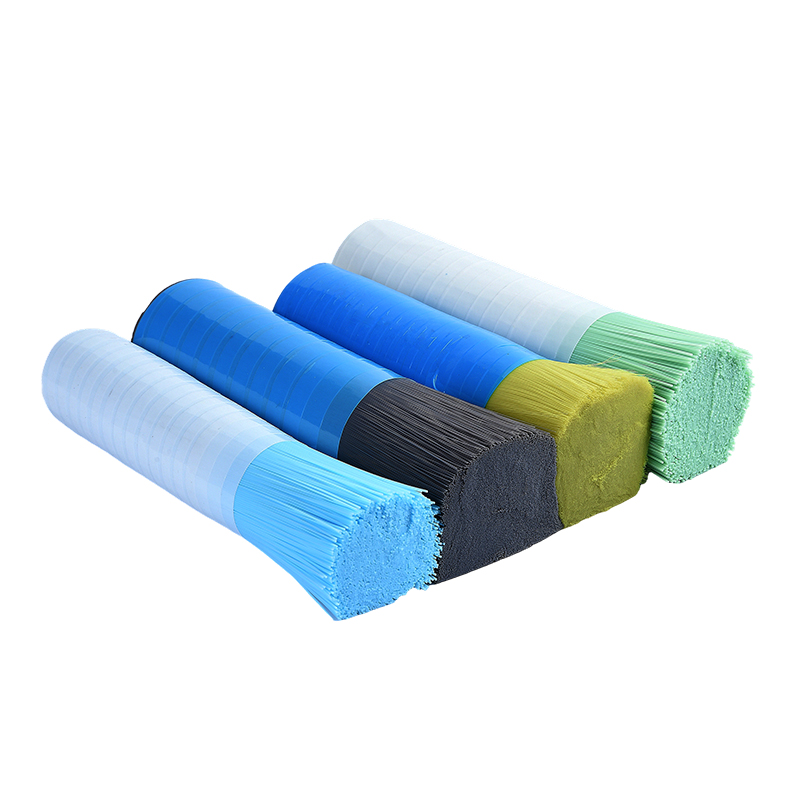
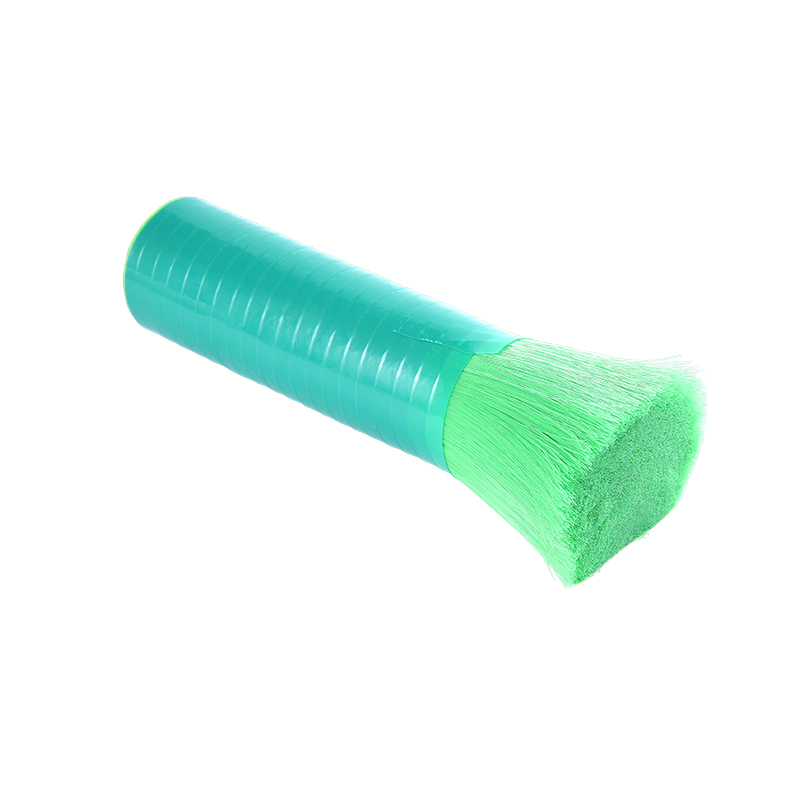
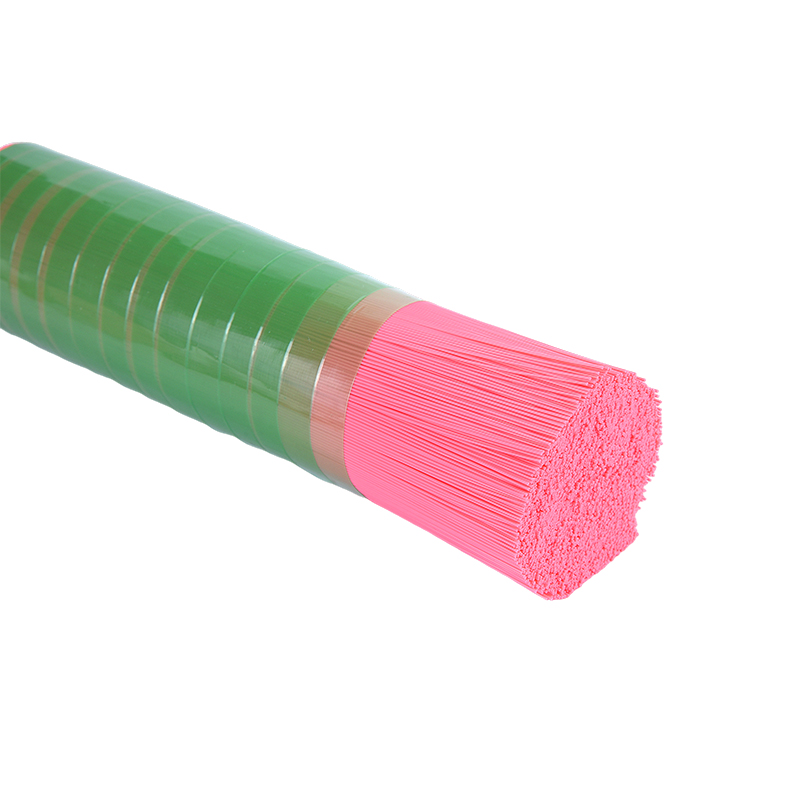
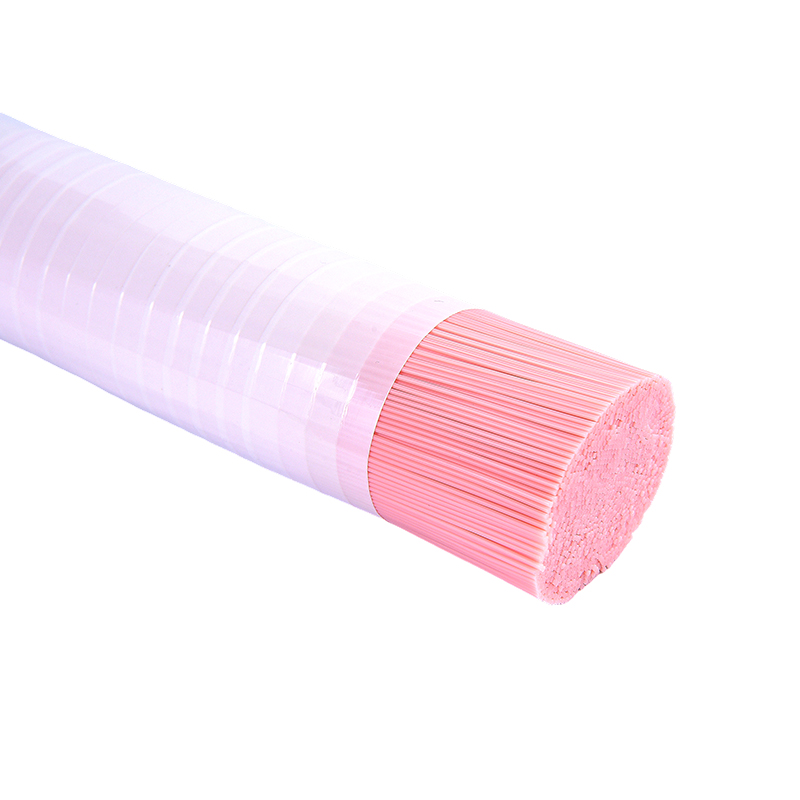
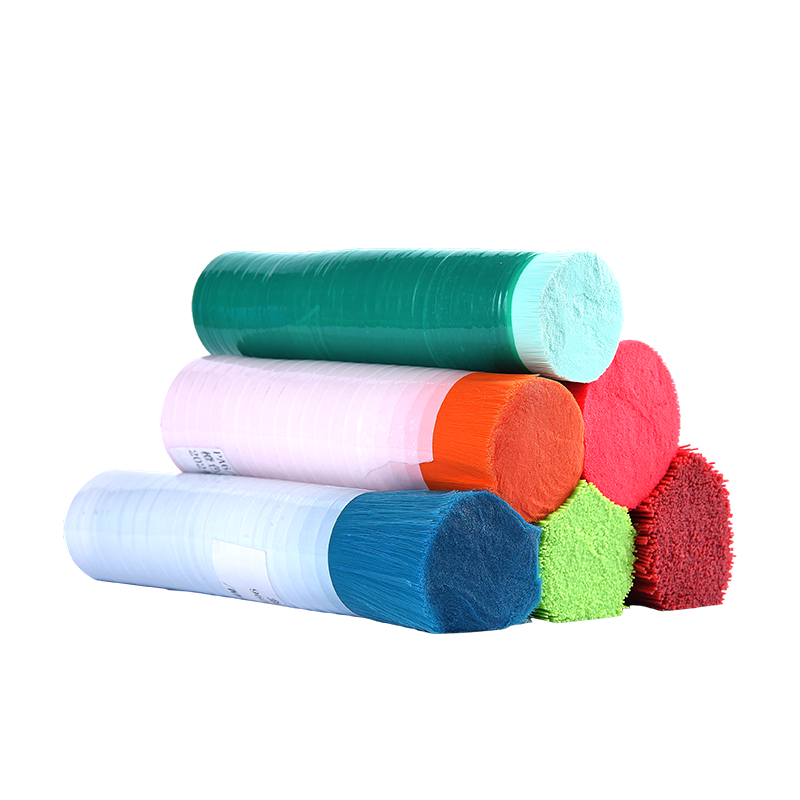
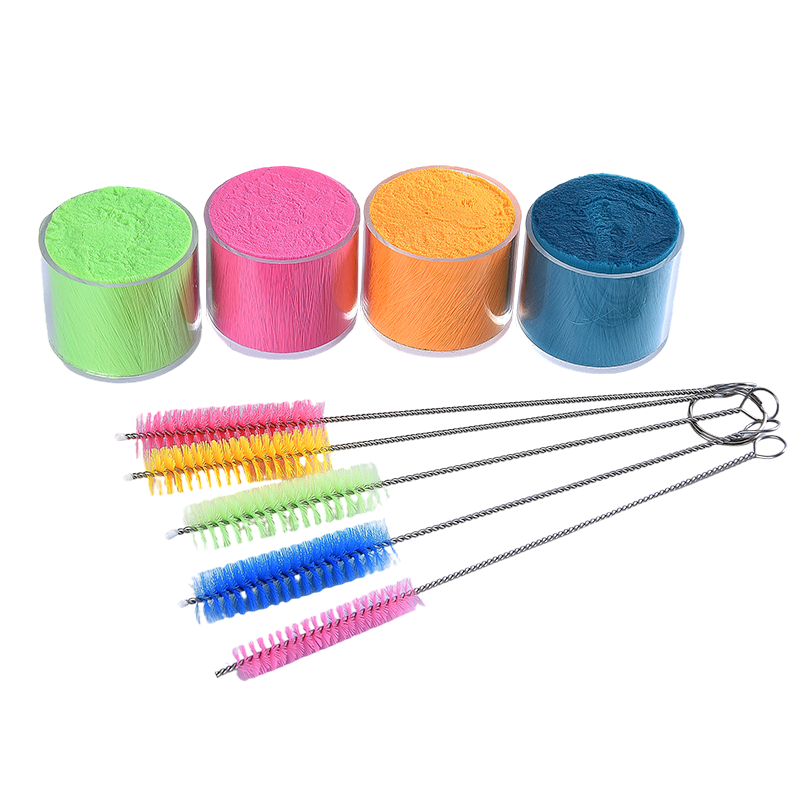
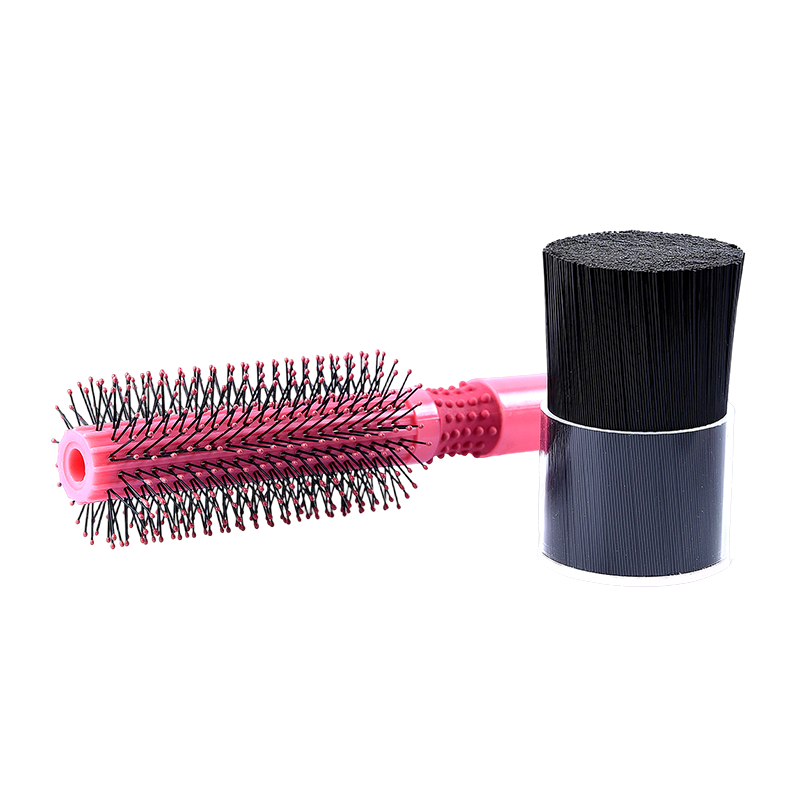
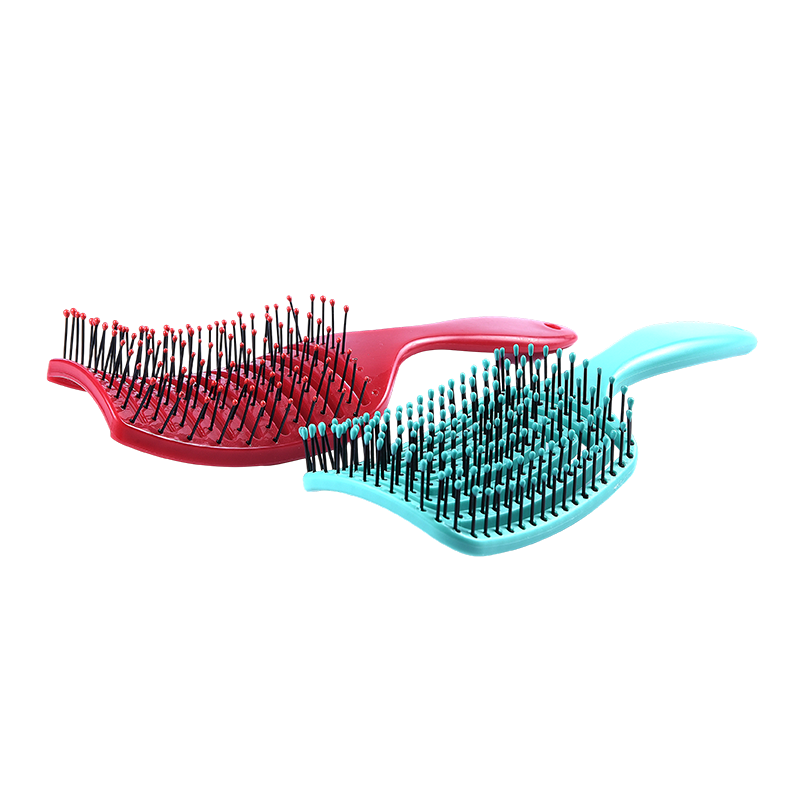
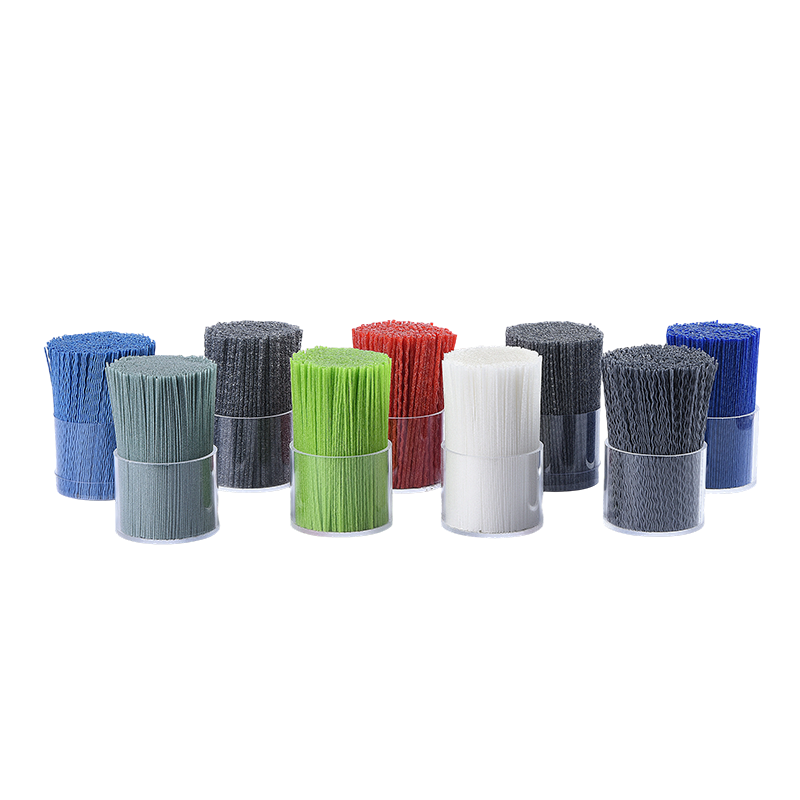
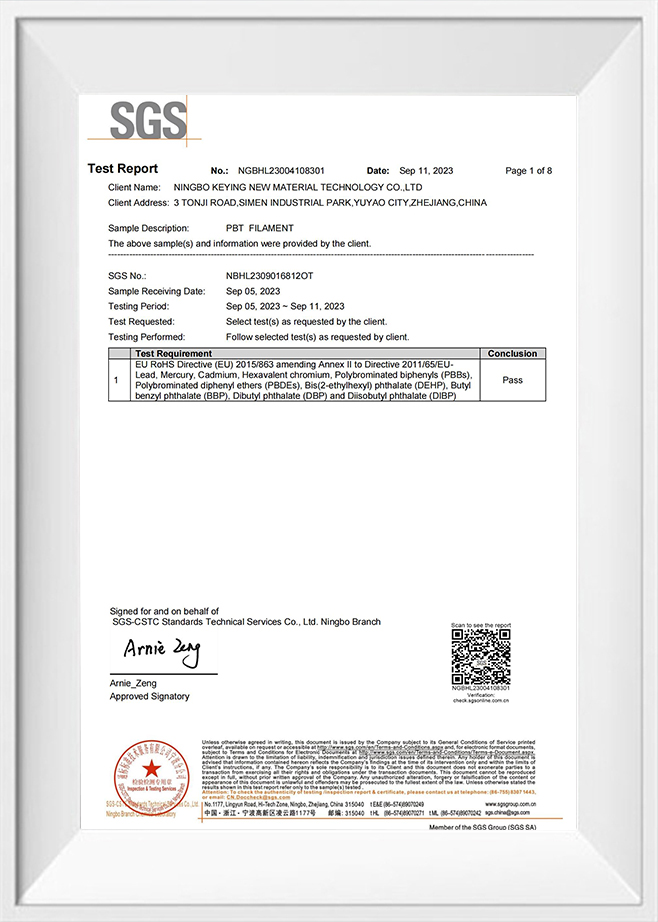
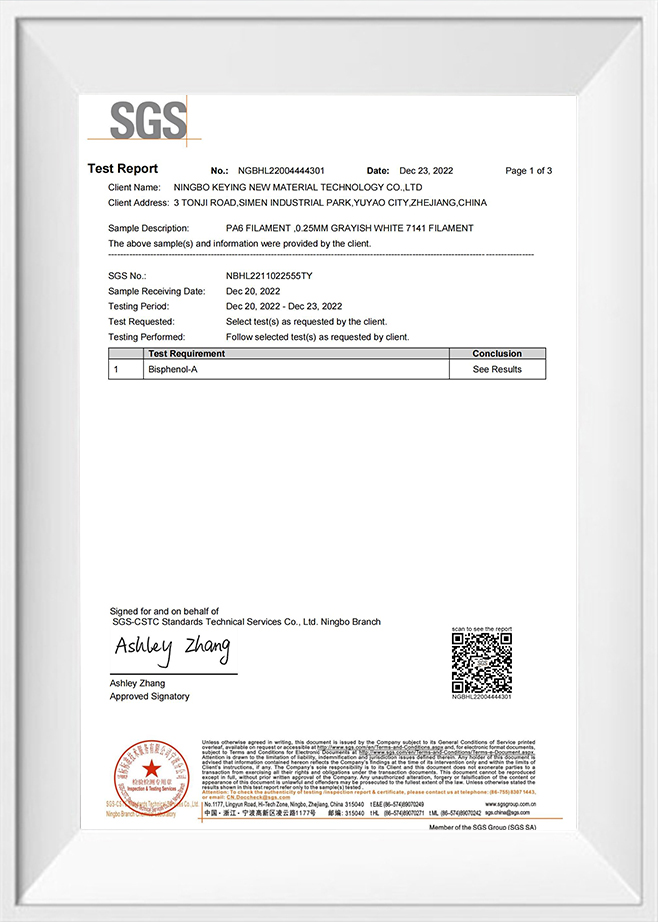
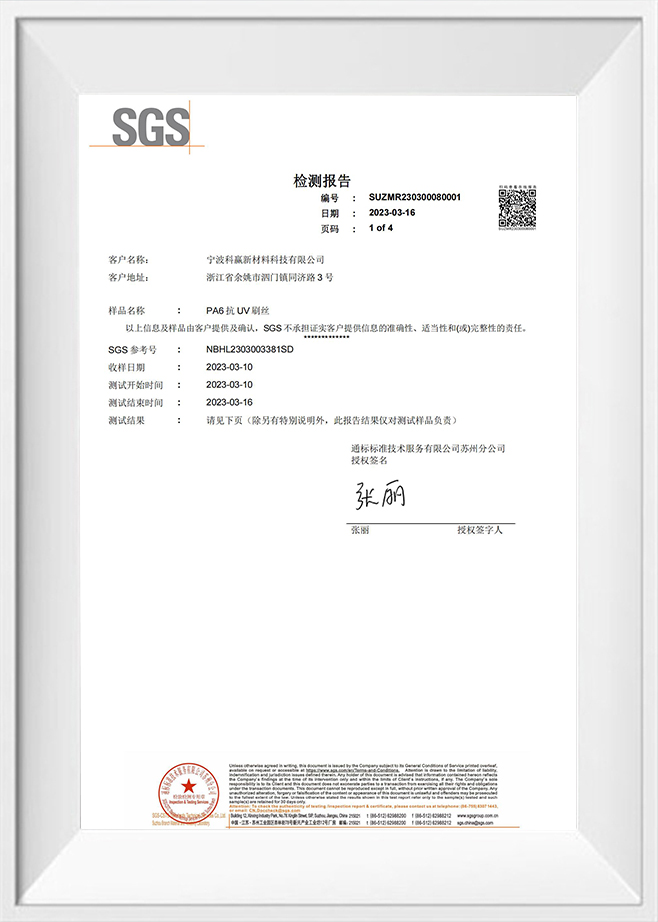
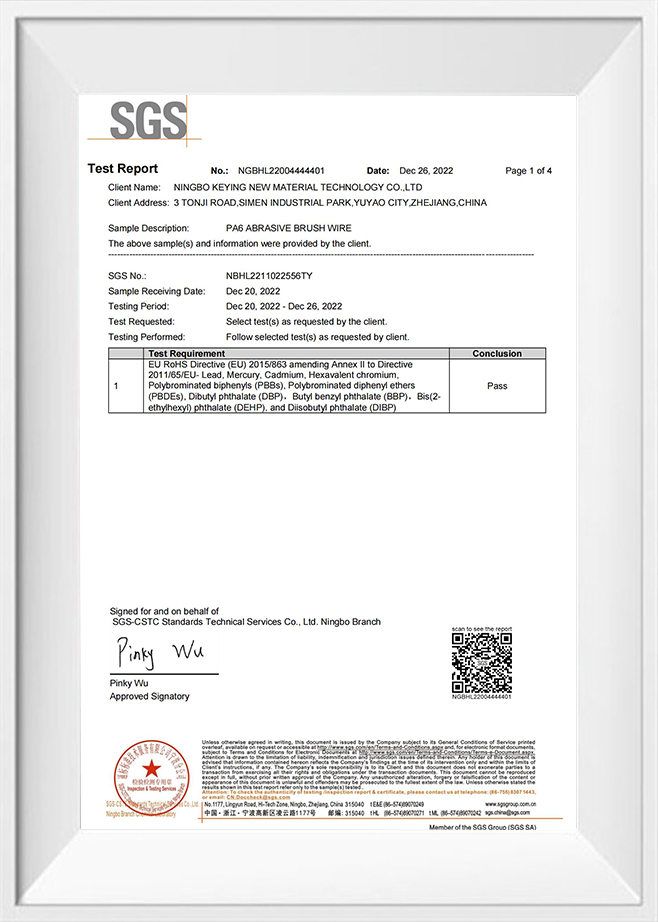
Abrasive filament is a composite brush wire made by uniformly incorporating abrasive particles — such as silicon carbide, white corundum, diamond, or ceramic — into a high-performance nylon base material during the extrusion process. The result is a flexible, self-sharpening filament that simultaneously delivers mechanical flexibility and consistent surface abrasion, combining the pliability of nylon with the cutting action of hard abrasive grains.
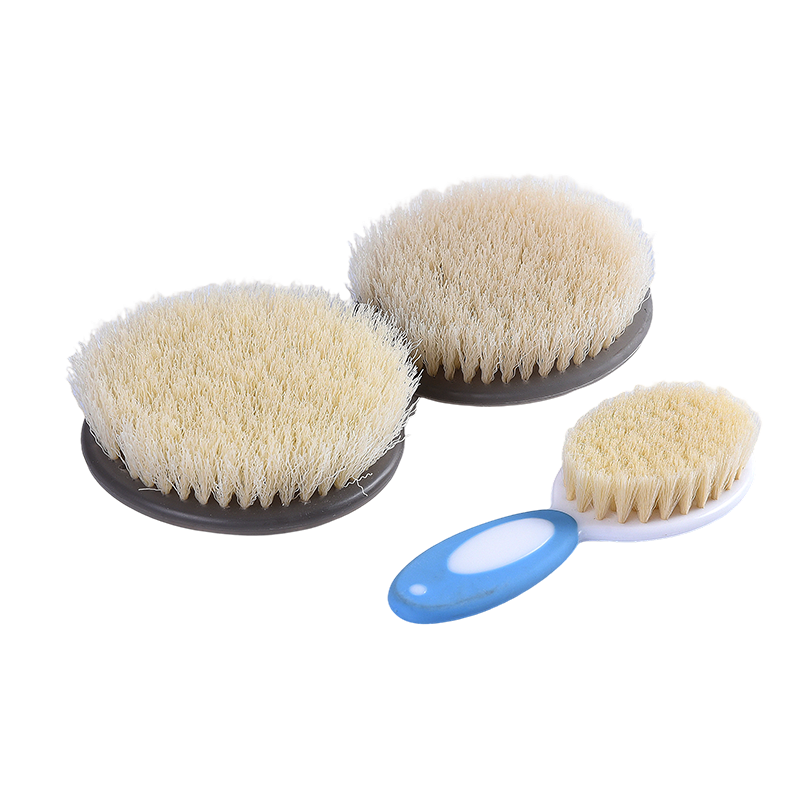
Unlike conventional steel wire or fixed abrasive tools, abrasive filaments conform to complex and irregular workpiece geometries while continuously exposing fresh abrasive particles as the filament tip wears. This makes them particularly effective for deburring, surface finishing, cleaning, and oxide removal across a wide range of materials and industrial applications. The filaments are assembled into rotary brushes, disc brushes, wheel brushes, and tube brushes, which are then driven by industrial machinery or hand tools to perform the abrasive work.
Leading abrasive filament manufacturers and suppliers — including Bingo, whose parent company Ningbo Keying New Material Technology Co., Ltd. operates more than 7,000 square meters of workshop space and four imported advanced production lines — produce abrasive filament in multiple nylon base grades and abrasive types to address the full range of industrial surface treatment requirements.
How Abrasive Filament Works
The working principle of abrasive filament is based on the controlled release of abrasive particles embedded within the nylon matrix. As the brush rotates and the filament tips contact the workpiece surface, the nylon material at the tip gradually wears away, continuously exposing new abrasive grains embedded deeper in the filament. This self-renewing cutting action is what gives abrasive filament its characteristically long and consistent service life compared to coated abrasive tools, where abrasive is bonded only to a surface layer.
Abrasive Distribution Through the Full Filament Length
Because abrasive particles are distributed uniformly throughout the entire cross-section and length of the filament — not just on the surface — the grinding performance remains consistent from the first minute of use to the last. As long as the filament has remaining length, it retains its abrasive capability. This is a fundamental advantage over surface-coated abrasive products that lose effectiveness rapidly once the surface layer is worn through.
Flexibility and Conformability
The nylon base provides the filament with significant flexibility, allowing it to bend and flex as it contacts the workpiece. This flexibility enables the filament tips to reach into recesses, slots, holes, threads, and complex contoured surfaces that rigid abrasive tools cannot access effectively. The filament applies consistent, low-impact cutting force at the contact point without gouging or over-cutting, which is critical for controlled deburring and finishing applications.
The Role of Abrasive Concentration
The ratio of abrasive to nylon within the filament is tightly controlled during manufacturing. Bingo maintains an abrasive loading of 20% to 30% by weight within the nylon matrix — a range determined through extensive testing to balance grinding aggressiveness with filament flexibility and structural integrity. Too little abrasive reduces cutting efficiency; too much makes the filament brittle and prone to breakage. This controlled ratio is central to producing abrasive filament that performs reliably across thousands of operating cycles.
Nylon Base Materials: PA6, PA66, PA610, PA612, and PA1010 Compared
The choice of nylon base material significantly affects the performance characteristics of the finished abrasive filament. Different polyamide grades offer different balances of stiffness, moisture absorption, chemical resistance, temperature tolerance, and fatigue resistance. Understanding these differences helps buyers and engineers select the right filament for their specific operating environment.
| Nylon Grade | Key Properties | Moisture Absorption | Typical Applications |
|---|---|---|---|
| PA6 | Good mechanical strength, moderate stiffness, cost-effective | High (up to 9.5%) | General-purpose deburring, surface cleaning in dry environments |
| PA66 | Higher stiffness and heat resistance than PA6, good wear resistance | High (up to 8.5%) | Aggressive deburring, higher-temperature operating environments |
| PA610 | Good balance of flexibility and strength, lower moisture uptake than PA6/PA66 | Medium (approx. 3.5%) | Wet processing, food industry, applications with variable humidity |
| PA612 | Excellent chemical resistance, low moisture absorption, high dimensional stability | Low (approx. 3.0%) | Precision finishing, chemical environments, aerospace and automotive |
| PA1010 | Bio-based, excellent flexibility, very low moisture absorption, good fatigue resistance | Very low (approx. 1.9%) | High-flexibility applications, wet environments, eco-conscious manufacturing |
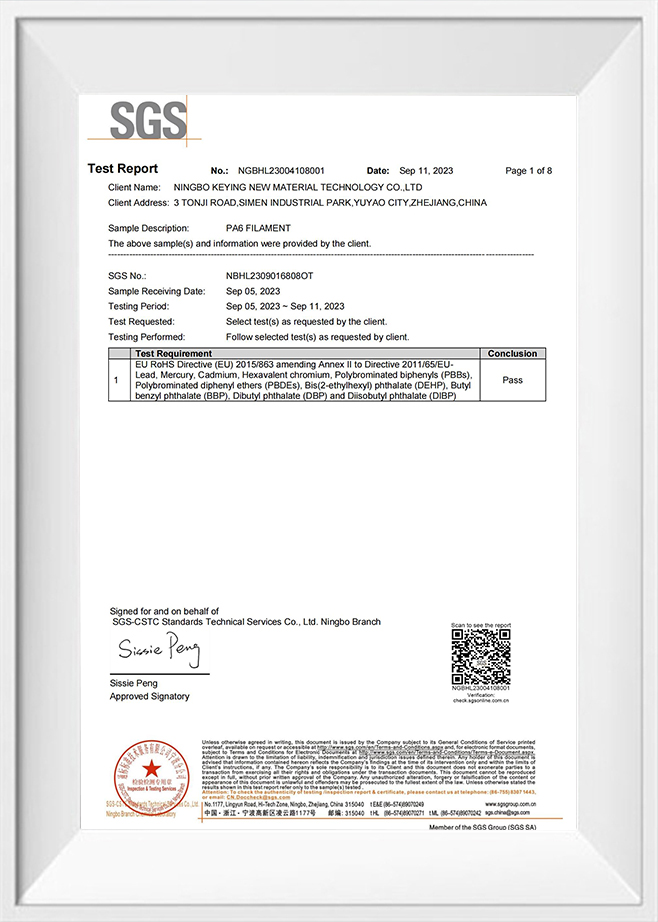
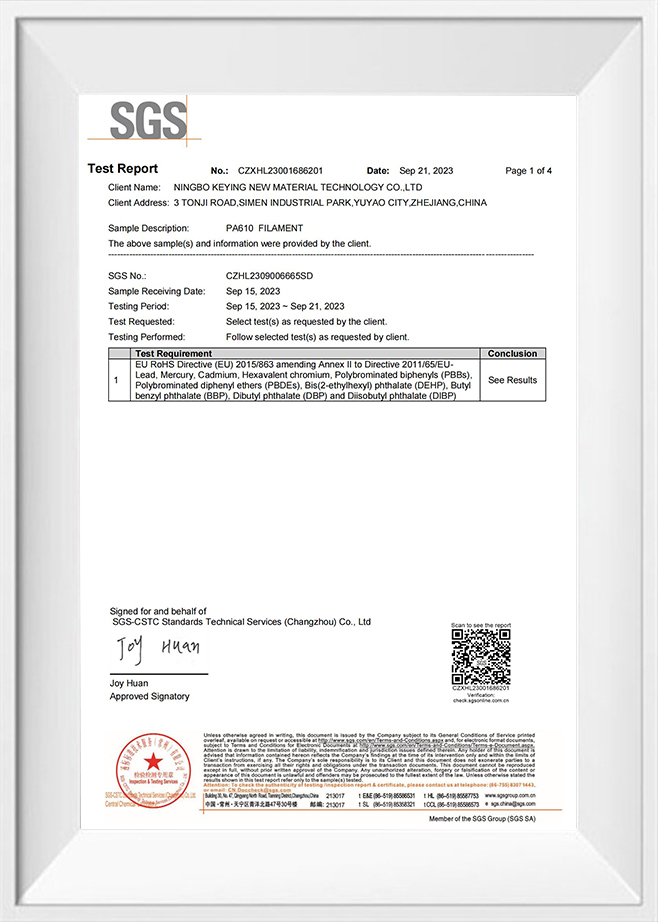
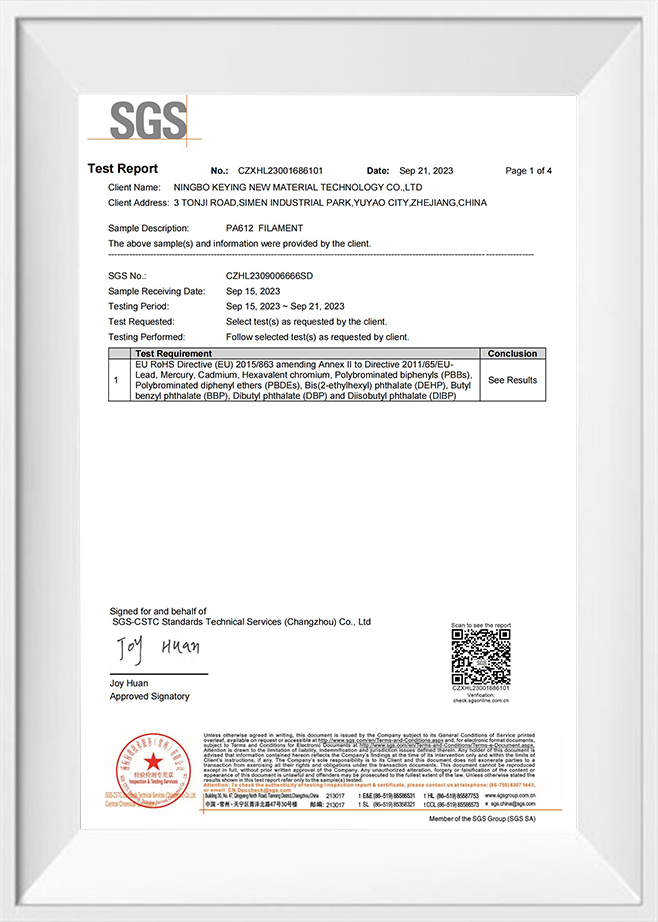
Bingo's manufacturing range covers PA6, PA610, PA612, and PA1010 abrasive filament grades, all produced to meet EU RoHS and SGS standards. For applications where dimensional stability under changing humidity conditions is critical — such as precision automotive finishing or aerospace component deburring — lower-moisture-absorption grades such as PA612 or PA1010 are strongly recommended over PA6 or PA66.
Abrasive Types and Grit Sizes: Matching the Abrasive to the Application
The type and grit size of the abrasive incorporated into the filament are the primary variables controlling cutting aggressiveness and surface finish quality. Selecting the correct combination is essential for achieving the desired surface result without over-processing the workpiece.
Silicon Carbide (SiC)
Silicon carbide is the most widely used abrasive in abrasive filament production. With a Mohs hardness of approximately 9.5, it is highly effective for cutting ferrous and non-ferrous metals, stone, ceramics, and glass. SiC abrasive has a sharp, angular particle geometry that provides aggressive cutting action. It is the preferred choice for heavy deburring, scale removal, and surface preparation where fast material removal is the priority.
White Corundum (Aluminum Oxide)
White corundum (white fused aluminum oxide) has a Mohs hardness of approximately 9.0 and is valued for its toughness and self-sharpening characteristics. It fractures under load to expose new cutting edges, making it well suited for finishing and polishing operations where a consistent surface finish must be maintained over extended production runs. White corundum is commonly specified for stainless steel finishing and aluminum surface treatment.
Diamond
Diamond abrasive (Mohs hardness 10 — the hardest known natural material) is used in abrasive filaments for the most demanding applications: processing hardened tool steels, carbide components, ceramics, glass, and semiconductor materials. Diamond filament delivers superior cutting efficiency and extremely long service life on hard materials, though it is the highest-cost abrasive option and is typically reserved for applications where other abrasives are insufficient.
Ceramic Abrasive
Ceramic abrasive particles offer a combination of high hardness and excellent thermal stability, making them particularly suitable for high-speed applications where frictional heat generation is a concern. Ceramic abrasive filaments maintain consistent cutting performance at elevated operating temperatures where silicon carbide or aluminum oxide performance may degrade.
Grit Size Range: 36 Mesh to 800 Mesh
Abrasive filaments are available across a wide grit range — from 36 mesh (coarse) to 800 mesh (very fine) — allowing the full spectrum of surface treatment requirements to be addressed within the same filament format. Coarser grits (36–120 mesh) are used for heavy deburring, scale removal, and aggressive surface preparation. Medium grits (150–320 mesh) address general deburring and surface blending. Fine grits (400–800 mesh) are used for polishing, fine finishing, and applications where minimal surface roughness is required.
| Grit Range | Classification | Material Removal Rate | Typical Use |
|---|---|---|---|
| 36–80 mesh | Coarse | High | Heavy deburring, weld scale removal, rust removal |
| 100–180 mesh | Medium-coarse | Medium-high | General deburring, oxide layer removal, surface preparation |
| 220–320 mesh | Medium-fine | Medium | Surface blending, edge finishing, cross-hatch finishing |
| 400–800 mesh | Fine–Very fine | Low | Fine polishing, precision finishing, minimizing surface Ra values |
Key Advantages of Abrasive Filament Over Conventional Abrasive Tools
Abrasive filament offers a compelling set of performance and operational advantages compared to traditional abrasive options such as coated abrasive belts, wire brushes, abrasive wheels, and manual finishing methods. These advantages explain the growing adoption of abrasive filament brushes across precision manufacturing industries worldwide.
- Self-sharpening action: As the nylon tip wears, fresh abrasive particles are continuously exposed, maintaining consistent cutting performance throughout the filament's working life without manual dressing or conditioning.
- Conformability to complex geometry: Flexible filaments access recesses, bores, threads, slots, and compound curves that rigid abrasive tools cannot reach, enabling consistent finishing of complex parts in a single operation.
- Controlled and gentle cutting action: The low, distributed cutting force of individual filament tips reduces the risk of over-cutting, dimensional distortion, or heat damage to workpieces — a critical advantage for thin-walled, precision, or thermally sensitive parts.
- No secondary contamination: Unlike steel wire brushes, nylon-based abrasive filaments do not shed metallic particles onto workpiece surfaces, making them suitable for stainless steel, aluminum, and other materials where ferrous contamination would cause corrosion or discoloration.
- Long service life: The full-length distribution of abrasive particles means the filament retains grinding capability until it is physically consumed, rather than losing effectiveness as soon as a surface coating is depleted.
- Process repeatability: Brush-type abrasive filament tools produce highly consistent results from part to part, supporting automated and CNC-integrated deburring and finishing processes with minimal operator intervention.
- Wet and dry compatibility: Many abrasive filament grades — particularly those based on PA612 and PA1010 — perform equally well in wet cutting fluid environments and dry conditions, adding process flexibility.
- Chemical and corrosion resistance: The nylon matrix resists a broad range of industrial chemicals, oils, and coolants, making abrasive filaments suitable for use in multi-fluid machining environments.
Primary Applications of Abrasive Filament Across Industries
Abrasive filament is used across a wide range of industries wherever controlled surface treatment of workpieces is required. The combination of flexibility, conformability, and sustained abrasive action makes it suitable for applications that are difficult or impossible to achieve with rigid abrasive tools.
Metal Deburring and Edge Finishing
Deburring of machined metal components is the most common application for abrasive filament brushes. After milling, turning, drilling, or stamping operations, metal parts typically carry burrs — small projections of displaced material — at edges and hole openings. Abrasive filament brushes remove these burrs consistently and gently across entire batches of parts, including internal bores and drilled holes that are inaccessible to manual deburring tools. Industries including automotive, aerospace, medical device manufacturing, and general precision engineering rely on this application extensively.
Oxide and Scale Removal
Heat treatment, welding, and high-temperature processing operations produce oxide layers and scale on metal surfaces that must be removed before further coating, plating, or assembly operations. Abrasive filament effectively removes these layers without the aggressive surface impact of wire brushes or abrasive blasting, preserving the underlying surface finish and dimensional accuracy of the workpiece.
Surface Finishing and Texture Generation
Abrasive filament brushes are used to apply controlled surface textures to metal, stone, wood, and composite materials. A consistent cross-hatch or satin finish can be applied uniformly across flat or contoured surfaces. In architectural metalwork and consumer product manufacturing, controlled surface texture imparted by abrasive filament is a design and functional specification in its own right.
Cleaning and Surface Preparation
Abrasive filament brushes are used to clean corroded, fouled, or contaminated surfaces in maintenance and repair applications. Rust removal from structural steel, cleaning of weld joints before inspection, and preparation of metal surfaces before adhesive bonding or painting are common maintenance industry applications.
Wood and Stone Processing
In wood processing, abrasive filament brushes are used to produce a wire-brushed or antique texture on timber surfaces by selectively removing softer early wood while leaving harder late wood intact. In stone processing, abrasive filament produces honed or brushed finishes on granite, marble, and other natural stone products.
Abrasive Filament Manufacturing: Quality Control and Standards
The performance consistency of abrasive filament depends directly on the precision and discipline of the manufacturing process. Key variables that must be controlled throughout production include abrasive particle size distribution, abrasive loading percentage, uniformity of particle dispersion within the nylon matrix, filament diameter tolerance, and the mechanical properties of the finished filament.
Bingo's manufacturing operations at Ningbo Keying New Material Technology Co., Ltd. utilize four imported advanced production lines within a dedicated facility, with strict process control protocols applied at every stage. The abrasive loading is maintained within the 20% to 30% range through continuous monitoring and adjustment of the compounding process. Abrasive particle geometry — cubic particle form with high hardness and thermal stability — is verified to ensure consistent cutting performance in the finished filament.
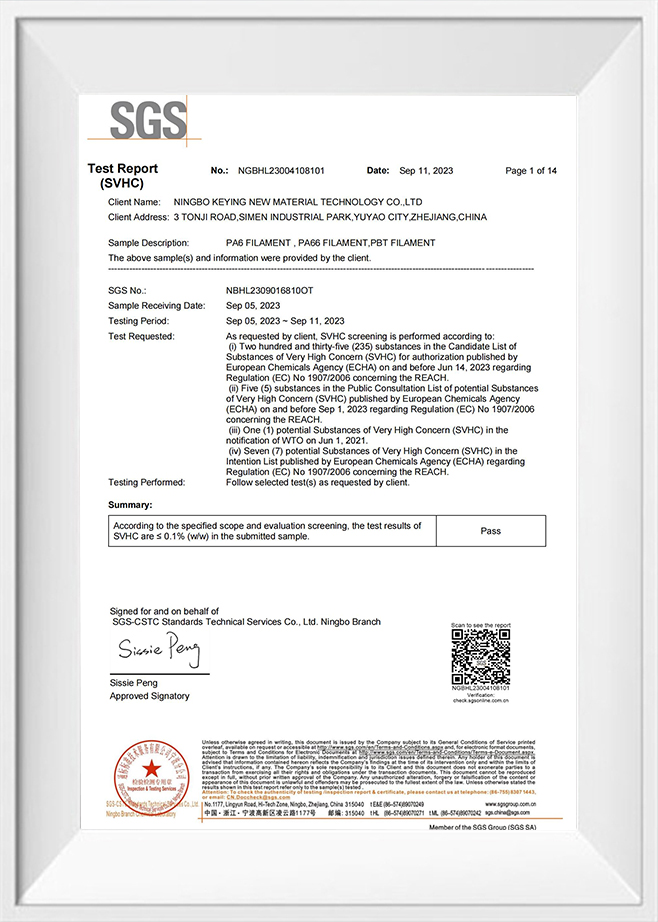
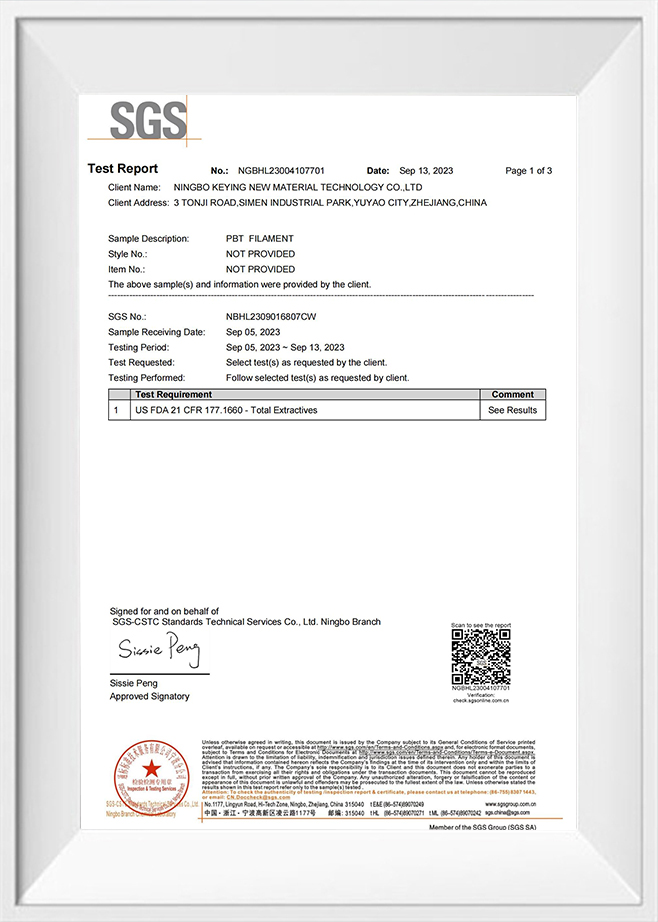
All products are manufactured to meet EU RoHS (Restriction of Hazardous Substances) and SGS standards — important certifications for customers supplying into European markets or operating within regulated industries such as food processing, medical devices, or consumer electronics manufacturing. The annual output of abrasive filament from Bingo's manufacturing base exceeds 1,000 tons, supporting customers across Europe, North America, Asia, and other global markets.
How to Select the Right Abrasive Filament for Your Application
Selecting the optimal abrasive filament requires evaluating several parameters in combination. A systematic approach prevents common mismatches between filament specification and application requirements.
- Define the objective. Establish clearly whether the goal is heavy material removal (deburring, scale removal), controlled surface finishing (texture generation, satin finish), cleaning, or polishing. The objective determines the appropriate grit range and abrasive type.
- Identify the workpiece material. Harder workpiece materials require harder abrasives. Silicon carbide is appropriate for most metals and stone; diamond is reserved for carbide, ceramics, and hardened steel. Consider also whether ferrous contamination of the workpiece surface is a concern — if so, a nylon-based filament is essential.
- Assess the geometry complexity. Simple flat surfaces can be processed with many abrasive tool types. Complex internal geometries, bores, threads, and recesses favor flexible abrasive filament brushes specifically for their conformability advantage.
- Consider the operating environment. Wet coolant environments, chemical exposure, and high humidity applications favor lower-moisture-absorption nylon grades such as PA612 or PA1010. Dry, high-temperature environments may benefit from PA66 or ceramic-abrasive filaments with higher thermal stability.
- Select filament diameter and grit in combination. Thicker filaments are stiffer and deliver more aggressive cutting force; thinner filaments are more flexible and suited to fine finishing and delicate workpieces. Larger diameter filaments are typically paired with coarser grits; fine grit finishing filaments are usually produced at smaller diameters.
- Consult the supplier for custom specifications. Reputable abrasive filament suppliers and manufacturers — including Bingo — offer customization of abrasive type, grit size, nylon grade, filament diameter, and filament length to meet specific application requirements. Custom grit specifications can be developed from 36 mesh through 800 mesh depending on the finishing target.
Frequently Asked Questions About Abrasive Filament
What is the difference between abrasive filament and steel wire brush?
Steel wire brushes remove material primarily through the mechanical impact and scratching action of the wire tips, which can leave deep, irregular scratch marks and deposit ferrous particles on the workpiece surface. Abrasive filament delivers a more controlled, distributed cutting action through embedded abrasive grains, producing a more uniform surface finish without metallic contamination. For stainless steel, aluminum, and non-ferrous workpieces where ferrous contamination causes corrosion, abrasive filament is the technically correct choice.
Can abrasive filament be used with coolant or water?
Yes. Many abrasive filament grades, particularly those based on PA610, PA612, and PA1010 nylon, are well suited for wet processing environments with cutting fluids, coolants, or water. These grades have lower moisture absorption rates than PA6 or PA66, which means their mechanical properties and dimensional stability are less affected by prolonged exposure to liquids. Always confirm the specific filament grade's wet compatibility with the supplier before use in continuous wet applications.
How long does abrasive filament last in service?
Service life depends on the operating speed, feed rate, workpiece material hardness, filament diameter, and whether the application runs wet or dry. Because abrasive is distributed throughout the full filament length, the brush continues to perform until the filaments are worn down to the brush core. This gives abrasive filament considerably longer effective service life than surface-coated abrasive products. In automated production environments, service life is typically measured in thousands of workpiece cycles rather than hours.
What operating speeds are recommended for abrasive filament brushes?
Operating speed recommendations depend on the filament diameter, brush diameter, and the specific application. As a general guideline, abrasive filament brushes are typically operated at tip speeds between 10 and 25 meters per second. Higher speeds increase material removal rates but also generate more heat and can reduce filament life if outside the recommended range. Always follow the brush manufacturer's maximum safe operating speed specifications for the assembled brush tool.
Can abrasive filament be used on soft materials like aluminum or plastic?
Yes, with the correct grit selection. For soft metals like aluminum or copper, fine to medium grit abrasive filament (320 mesh and finer) is recommended to prevent excessive material removal or surface gouging. For plastic components, fine grit filaments allow surface finishing without heat buildup or melting that faster, coarser abrasives might cause. Filament flexibility is an advantage here, as the gentle conforming contact minimizes the risk of localized over-cutting on soft materials.
Is abrasive filament suitable for automated CNC machining centers?
Yes. Abrasive filament brushes are widely used as in-process and post-process tools in CNC machining centers and robotic deburring cells. The self-sharpening characteristic and consistent cutting force profile of abrasive filament make it well suited for automated processing where tool-to-part force consistency is essential for repeatable results. Brush tools can be loaded into standard tool holders for integration into CNC tool change sequences.
Customization Options Available from Abrasive Filament Manufacturers
A significant practical advantage of sourcing abrasive filament from specialist manufacturers is the ability to customize key product parameters to match specific application requirements precisely, rather than working within the constraints of standard catalogue specifications.
Bingo, through Ningbo Keying New Material Technology Co., Ltd., offers customers the following customization capabilities:
- Nylon base grade selection: PA6, PA610, PA612, and PA1010, with properties matched to the specific operating environment and performance requirements.
- Abrasive type selection: Silicon carbide, white corundum, diamond, or ceramic, based on workpiece hardness and the required surface finish outcome.
- Custom grit specification: Any grit size from 36 mesh (coarse) to 800 mesh (very fine), or intermediate values, tailored to the target material removal rate and surface roughness specification.
- Filament diameter: Multiple diameter options to control filament stiffness, flexibility, and compatibility with specific brush configurations.
- Abrasive loading percentage: Adjusted within the technically optimal 20% to 30% range to fine-tune the balance between abrasive aggressiveness and filament durability.
- Color coding: Custom filament colors for identification of different grit sizes or abrasive types within a production environment, reducing the risk of tool mix-up.
- Package format: Available in bulk coils for brush manufacturers or in specified cut lengths for direct assembly into brush products.
With an annual production capacity exceeding 1,000 tons of abrasive filament and nylon industrial filament, Bingo can support both development-scale sample orders and high-volume production supply, making it a suitable partner for brush manufacturers, distributors, and industrial end-users seeking a reliable abrasive filament supplier with full customization capability.


