
 English
 русский
 Türk
TürkContent
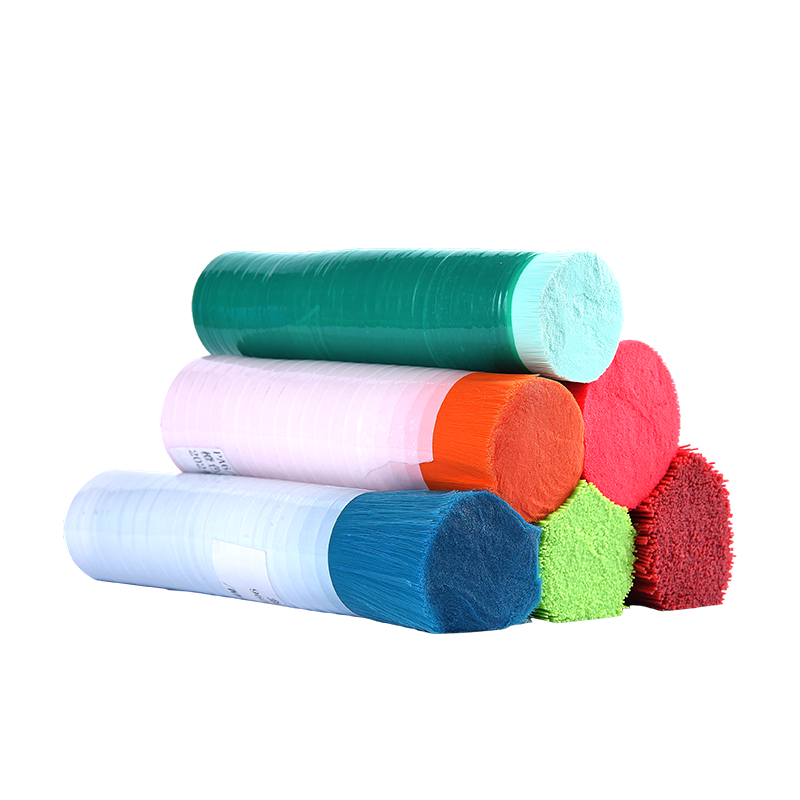
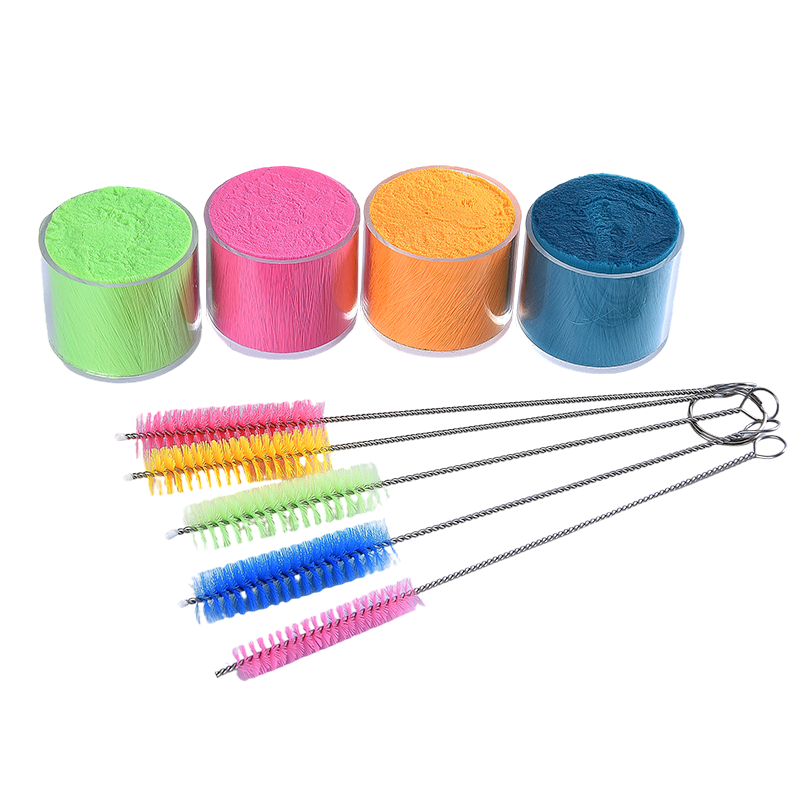
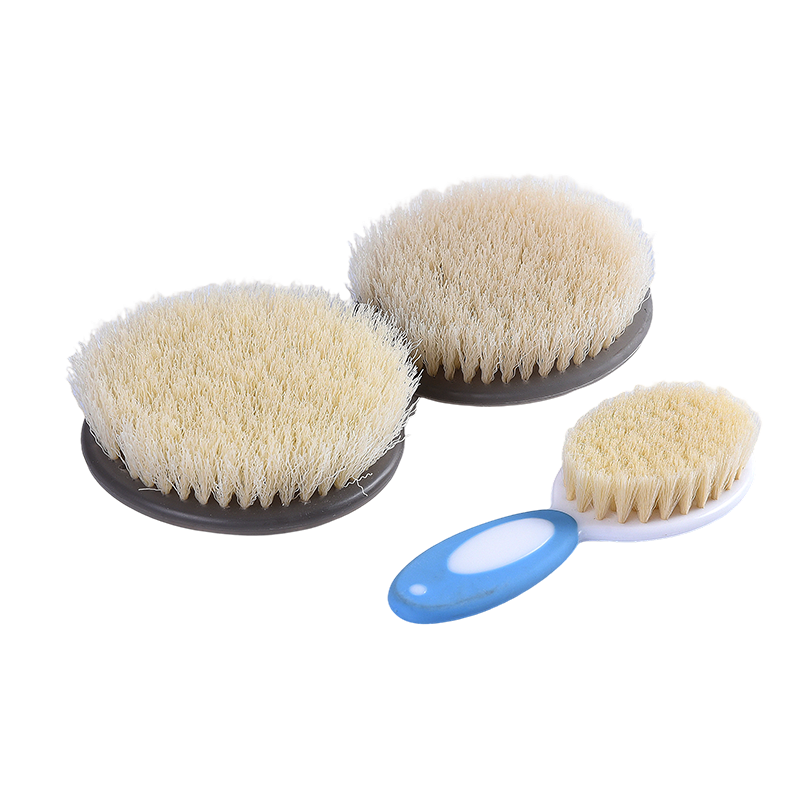
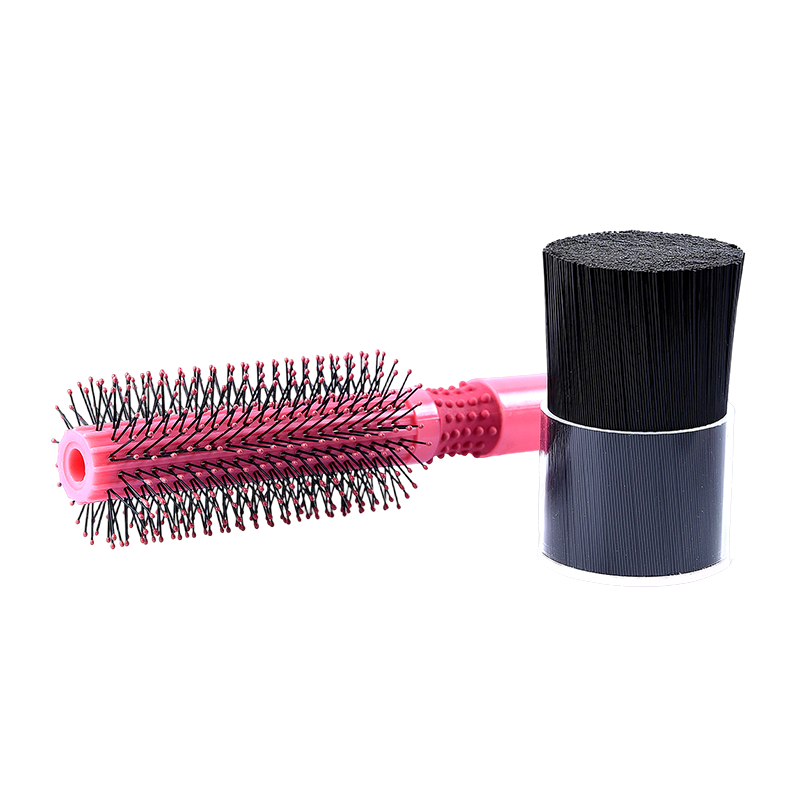
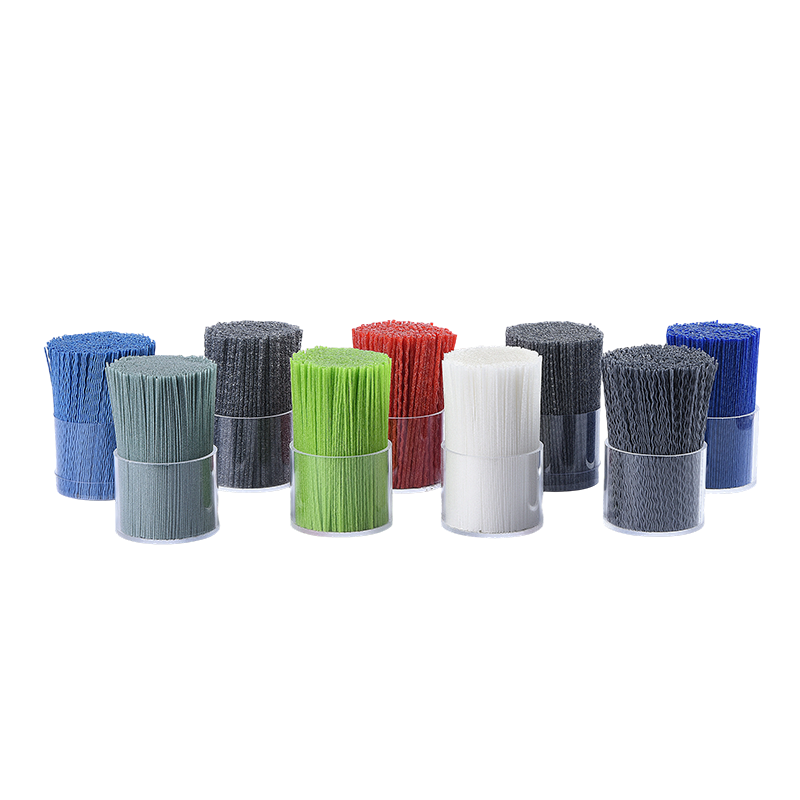
The definitive advantage of Nylon PBT (Polybutylene Terephthalate alloy) brush filament is its superior balanced performance: it delivers the temperature resistance and stiffness of PBT alongside the enhanced flexibility, fatigue resistance, and dyeability of nylon. This synergy creates a filament that resists deformation in hot water, maintains stiffness for effective cleaning, and lasts significantly longer than single-polymer filaments in demanding applications.
Standard nylon filaments, while tough and flexible, can soften and lose their "snap back" or recovery in hot water (above 60°C/140°F), leading to a floppy, ineffective brush. Pure PBT filaments, on the other hand, offer excellent heat resistance and stiffness but can be too brittle, breaking or shedding prematurely under repeated flexing. Nylon PBT directly solves this compromise. The material's crystalline structure from PBT provides a high melting point (approximately 220-245°C), while the nylon component introduces amide groups that improve molecular chain mobility, resulting in better elongation at break. For end-users, this translates to a toothbrush that doesn't splay in hot dishwater, a hairbrush that doesn't melt near styling tools, or an industrial cleaning brush that maintains its aggressiveness through thousands of cycles.
Critical Physical Properties: How Nylon PBT Stacks Up
The practical benefits of Nylon PBT filaments are rooted in measurable physical properties. The following table compares key performance metrics against standard Nylon 6 and PBT filaments, illustrating the hybrid material's optimal balance.
| Property | Nylon PBT Filament | Standard Nylon 6 Filament | Pure PBT Filament |
|---|---|---|---|
| Melting Point (°C) | 220 - 245 | 215 - 220 | 225 - 235 |
| Flexural Modulus (Stiffness) | High | Low to Medium | Very High (Can be brittle) |
| Water Absorption (24h) | ~1.5% | ~9.5% (High - causes swelling/softening) | ~0.3% (Excellent) |
| Fatigue Resistance (Cycles to Failure)* | Excellent (100,000+) | Good (50,000) | Poor (20,000) |
| Chemical Resistance (Acids/Bases) | Very Good | Poor to Fair | Excellent |
The data highlights Nylon PBT's strategic position. Its low water absorption is critical. A standard nylon filament can absorb up to 9.5% of its weight in water, causing it to swell, soften, and become a breeding ground for microbes. Nylon PBT's absorption rate, closer to PBT's, prevents this, ensuring dimensional stability and hygiene in wet environments. Similarly, its fatigue resistance—a weakness of pure PBT—is enhanced by the nylon component, allowing the filament to bend millions of times in a toothbrush or sweeping brush without breaking.
Top Industrial and Consumer Applications: Where Nylon PBT Excels
The unique property profile of Nylon PBT makes it the material of choice for specific, often demanding, brush applications. It is not a universal replacement but a targeted solution where performance under stress, heat, or moisture is non-negotiable.
Consumer Product Brushes
- Premium Toothbrushes & Interdental Brushes: The filament must not soften in warm water, must have excellent "snap" for plaque removal, and must resist breaking from daily flexing. Nylon PBT's stiffness retention and fatigue resistance are perfect here.
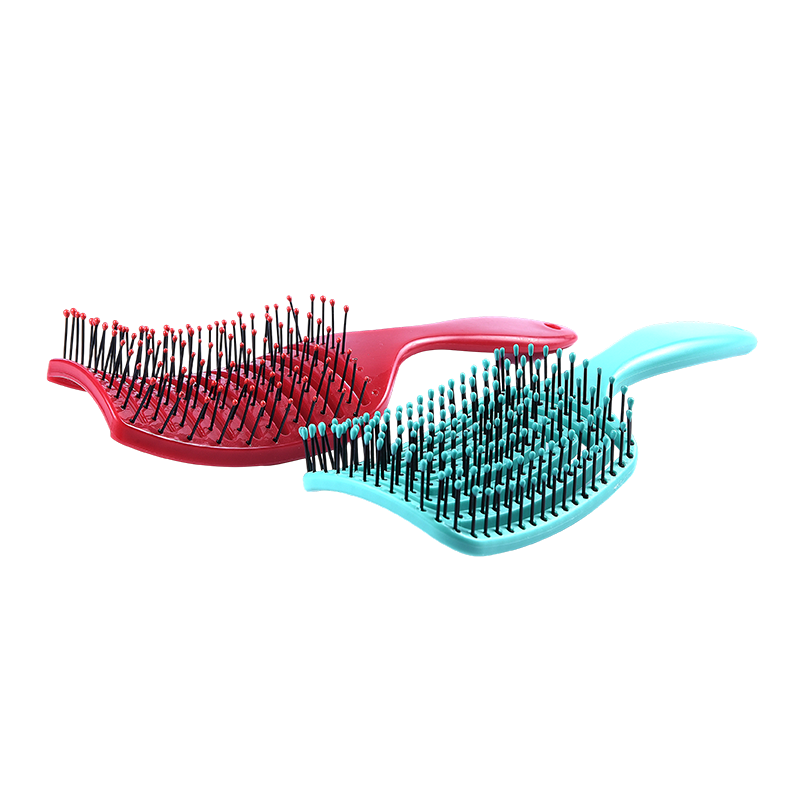
- Hairbrushes for Hot Styling: Brushes used with hairdryers, straighteners, or curling irons require filaments that won't melt, deform, or become sticky. Nylon PBT's high heat deflection temperature ensures safety and durability.
- Dishwashing Brushes: Subject to hot water, detergents, and mechanical scrubbing, these brushes need chemical resistance, heat resistance, and stiffness. Nylon PBT outperforms standard nylon, which becomes limp in a sink of hot water.
Industrial & Commercial Brushes
- Food Processing & Bottle Washing Brushes: These brushes undergo continuous high-pressure, high-temperature cleaning cycles. They require FDA-compliant materials with low water absorption (to prevent bacterial growth) and excellent fatigue life. Nylon PBT is a standard in this sector.
- Street Sweeping & Debris Collection Brushes: For sweeping rough surfaces, the filament needs high abrasion resistance to wear slowly and high stiffness to flick away debris effectively. The toughness imparted by nylon improves impact resistance against stones and curbs.
- Electrostatic Discharge (ESD) & Anti-Static Brushes: Nylon PBT can be compounded with conductive additives (like carbon black) more uniformly than some materials, creating reliable ESD-safe brushes for cleaning sensitive electronics without static damage.
Sustainability and End-of-Life Advantages of Nylon PBT Filaments
Beyond performance, Nylon PBT offers tangible environmental benefits that align with modern manufacturing and consumer preferences. Its sustainability profile is a direct function of its durability and material composition.
The primary environmental advantage is longevity. A brush made with Nylon PBT filaments lasts significantly longer than one made with inferior materials. A toothbrush head maintains its cleaning efficacy for the recommended 3-month replacement period without splaying; an industrial brush lasts for more production cycles before needing replacement. This directly reduces the frequency of manufacturing, shipping, and disposal, lowering the overall carbon footprint per unit of service provided.
Secondly, Nylon PBT is technically recyclable. As a thermoplastic, it can be melted and reprocessed. While post-consumer collection for small brushes remains a challenge, industrial scale users (e.g., food plants, sweeping companies) can collect worn brushes and send the filaments back to specialized processors for granulation and reuse in non-critical molded parts. Furthermore, the material itself is free of heavy metals like cadmium or lead and can be formulated to comply with strict regulations such as EU REACH and FDA food contact standards. Its low water absorption also means brushes dry faster and are less prone to mildew, potentially reducing the need for harsh chemical cleaners during their life.
Specification Guide: How to Source the Right Nylon PBT Filament
When procuring Nylon PBT filament for brush manufacturing, not all grades are identical. Providing precise specifications to your supplier ensures you receive a material optimized for your specific application. Here are the key parameters to define.
- Diameter and Tolerance: Specify the exact filament diameter (e.g., 0.15mm, 0.20mm, 0.40mm) and the acceptable tolerance (e.g., ±0.02mm). Consistent diameter is critical for uniform brush packing and performance.
- Melting Point and Heat Deflection Temperature (HDT): Request the specific melting point range and HDT @ 0.45MPa or 1.82MPa. For high-heat applications (e.g., dishwasher-safe brushes), an HDT above 180°C is essential.
- Flexural Modulus: This quantifies stiffness. A higher modulus (e.g., 2500 MPa) is needed for stiff scrubbing brushes; a lower modulus (e.g., 1500 MPa) might be needed for softer cosmetic brushes. Ask for the test standard (e.g., ASTM D790).
- Color Fastness and Dyeability: Confirm that the filament can be consistently dyed to your color standards and that the color will not bleed or fade under UV exposure or chemical contact. Request samples for testing.
- Certifications: Explicitly require documentation for any necessary certifications: FDA CFR 21, EU 10/2011 for food contact, NSF, or specific automotive or electronics industry standards.
- Spooling and Packaging: Specify spool size, winding tension, and packaging to prevent filament tangling or moisture absorption during transit and storage.
Nylon PBT brush filament represents a material innovation where engineered performance directly solves practical problems. Its value proposition is not merely being a "better plastic" but being the precisely correct material for applications where heat, moisture, fatigue, and stiffness intersect. For OEM designers, brush manufacturers, and end-users, understanding this balance is key to selecting products that offer durability, effectiveness, and a lower total cost of ownership over time, without compromising on safety or environmental responsibility.