
 English
 русский
 Türk
TürkContent
Understanding the Technical Superiority of Nylon PA612 Brush Filament
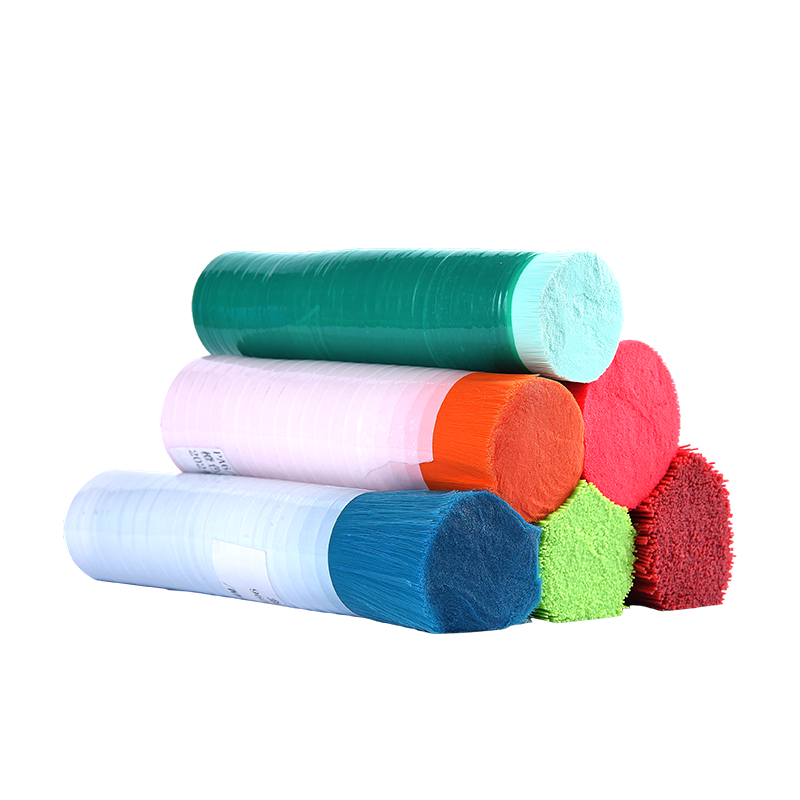
In the competitive world of synthetic polymers, Nylon PA612 (Polyamide 612) stands out as a premium engineering plastic designed for high-performance applications. Unlike standard nylon variants like PA6 or PA66, PA612 is synthesized through the polycondensation of dodecanedioic acid and hexamethylene diamine. This specific chemical structure results in a material that balances the strength of traditional polyamides with significantly lower moisture absorption and enhanced dimensional stability.
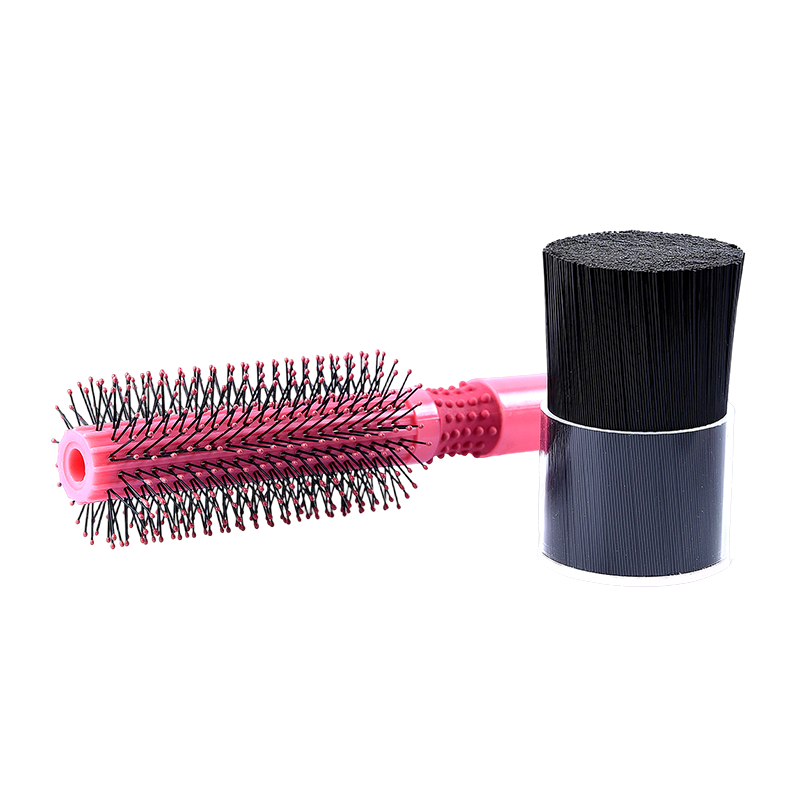
When processed into brush filaments, PA612 offers a unique "memory" effect, meaning the bristles return to their original position after being bent. This bend recovery is critical for high-end toothbrushes and industrial brushes that must maintain their shape over thousands of cycles. For manufacturers, choosing PA612 is not just about material cost; it is about ensuring the longevity and reliability of the final product in demanding environments.
Key Performance Characteristics of PA612
Exceptional Chemical Stability and Solvent Resistance
One of the most significant advantages of Nylon PA612 Brush Filament is its incredible resistance to a wide spectrum of chemicals. In industrial settings, brushes are often exposed to harsh cleaning agents or lubricants. PA612 remains unaffected by petroleum hydrocarbons, chlorides, and ester solvents, preventing the degradation or softening that often plagues lesser materials.
Low Moisture Absorption and Wet Stiffness
Standard nylon 6 often loses up to 30% of its stiffness when saturated with water. In contrast, PA612 exhibits extremely low water absorption. This ensures that a toothbrush or an industrial scrubber maintains its mechanical integrity even when used in 100% humidity or submerged environments. For dental care, this translates to consistent plaque removal efficiency from the first use to the last.
| Property | Nylon 6 | Nylon 66 | Nylon 612 |
|---|---|---|---|
| Moisture Absorption (%) | 2.5 - 3.0 | 2.3 - 2.8 | 0.4 - 0.6 |
| Bend Recovery | Fair | Good | Excellent |
| Chemical Resistance | Moderate | Moderate | Superior |
Wide-Ranging Applications of PA612
Due to its versatility and high performance, PA612 is utilized across various high-stakes industries. Its ability to be processed via extrusion, blow molding, and injection molding makes it a favorite for engineers worldwide.
1. Automotive and Engineering Components
In the automotive sector, PA612 is preferred for parts that require heat resistance and fuel stability. Examples include:
- Fuel pipes and fluid handling systems.
- Engine hoods and thermal management components.
- Brake system vacuum tubes.
2. High-End Personal Care: The Toothbrush Filament
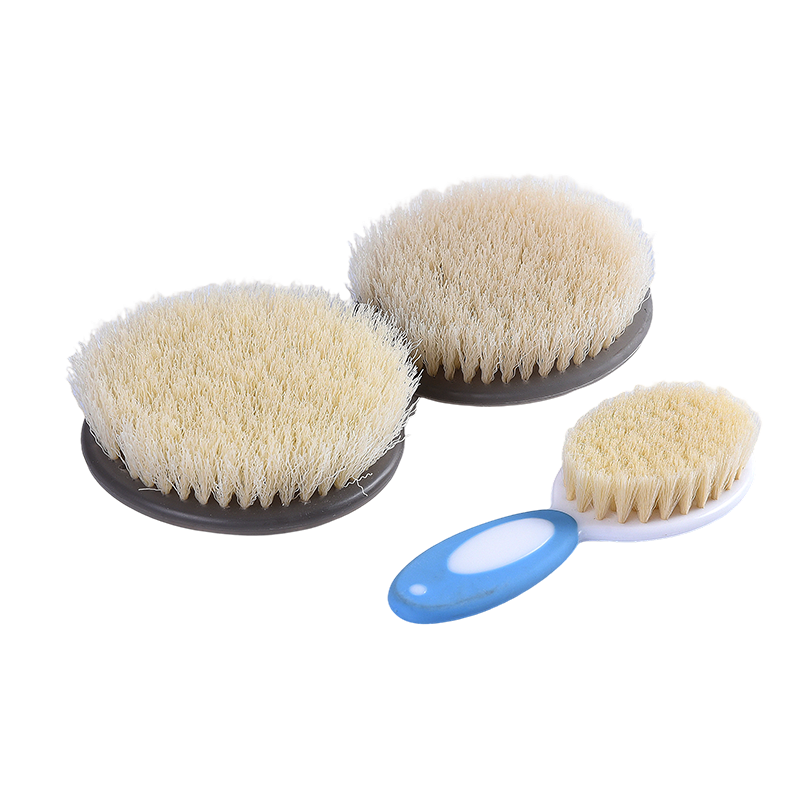
The oral care market demands materials that are hygienic and durable. Nylon PA612 filaments are the industry standard for premium toothbrushes. They provide the perfect "snap-back" and can be tapered or end-rounded easily during manufacturing to protect gum tissue while effectively removing biofilm. Their resistance to the flavoring oils and surfactants in toothpaste ensures the bristles do not become brittle over time.
3. Electronics and Specialized Coatings
For the electrical industry, PA612 serves as an excellent insulator for cable coatings and optical fibers. Its ability to withstand environmental stress cracking is vital for long-term infrastructure projects where replacement costs are prohibitively high.
Why Manufacturers Choose PA612 Over Other Polymers
Choosing the right material involves a cost-benefit analysis. While PA612 may have a higher raw material cost than basic nylon, the total cost of ownership is often lower. Products made with PA612 have a significantly longer service life, reducing the frequency of replacements and the risk of product failure in the field.
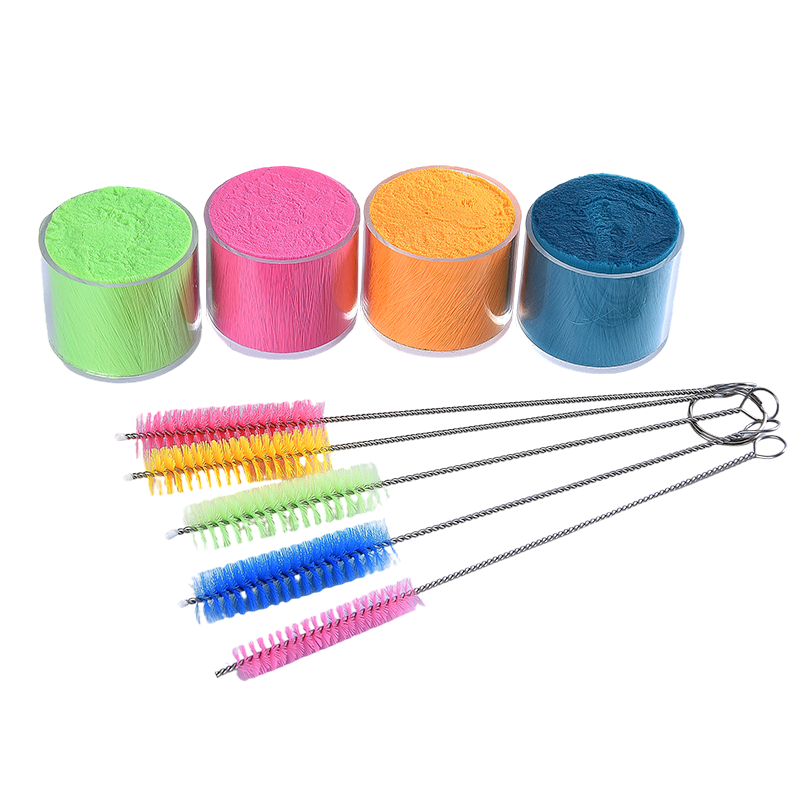
For instance, in powder spraying applications, the uniformity of PA612 filaments allows for a more consistent finish, reducing waste and improving the quality of the final coated product. This efficiency gain is a direct result of the material's unrivaled dimensional stability and resistance to thermal expansion.
Frequently Asked Questions (FAQ)
Is PA612 better than Nylon 610 for brush filaments?
Yes, in most high-performance scenarios. While Nylon 610 is partially bio-based, PA612 offers lower moisture absorption and better elastic recovery, making it more suitable for precision tools and premium dental products.
Can Nylon PA612 be used in food-contact applications?
PA612 is widely used in applications like toothbrushes and food processing brushes. However, manufacturers must ensure their specific grade of PA612 complies with local FDA or EFSA regulations regarding additives and colorants.
What is the typical lifespan of PA612 industrial bristles?
Under standard operating conditions, PA612 bristles can last 2 to 3 times longer than Nylon 6 bristles, specifically in environments involving moisture or chemical exposure.
How does temperature affect PA612 filaments?
PA612 maintains its mechanical properties up to approximately 100°C - 120°C for short durations. For continuous high-heat exposure, specialized heat-stabilized grades should be selected to prevent oxidation.