
 English
 русский
 Türk
TürkContent
Introduction to Nylon PA610: The High-Performance Eco-Friendly Polyamide
In the evolving landscape of synthetic polymers, Nylon PA610 (Polyamide 610) has emerged as a powerhouse material, bridging the gap between standard industrial nylons and high-end specialty plastics. Derived significantly from renewable resources—specifically sebacic acid obtained from castor oil—PA610 is often favored by manufacturers looking for a sustainable yet uncompromisingly durable solution. As a high-performance nylon material, it offers a unique molecular structure that results in superior physical and chemical properties compared to common variants like Nylon 6 or Nylon 66.
When extruded into brush filaments, PA610 provides a level of precision and resilience that is essential for both consumer goods and heavy-duty industrial tools. Its ability to maintain structural integrity under mechanical stress makes it an ideal choice for manufacturing products that require high wear resistance and tensile strength. Whether it is used in a delicate facial cleansing brush or a robust abrasive industrial tool, the versatility of PA610 is unmatched in the current market.
Core Performance Characteristics of Nylon PA610 Brush Filament
Exceptional Dimensional Stability and Low Water Absorption
One of the most critical factors for any brush filament is its behavior in wet environments. Traditional nylons tend to absorb water, which leads to softening, swelling, and a loss of "flick" or stiffness. Nylon PA610 features remarkably low water absorption, typically around 0.4% to 0.5% at saturation. This low moisture uptake ensures excellent dimensional stability, meaning the bristles stay the same length and diameter, maintaining their cleaning efficiency even after prolonged exposure to water or high humidity.
Superior Chemical and Oil Resistance
Industrial environments often expose brushes to harsh substances. PA610 possesses excellent oil resistance and stands up well against various chemical solvents. This makes it a preferred material for automotive engine cleaning brushes and industrial scrubbers that come into contact with lubricants and fuels. Furthermore, its self-extinguishing properties add a layer of safety for applications in the electrical and electronics sectors, where fire resistance is a non-negotiable requirement.
Low Temperature Resilience and Softness
Unlike many plastics that become brittle and crack in cold climates, Nylon PA610 maintains good low temperature resistance. It retains its flexibility and impact strength even when temperatures drop significantly. This "softness" is not a sign of weakness; rather, it indicates a high degree of toughness and elasticity, allowing the filament to bend and recover repeatedly without snapping.
| Property | Nylon 6 (PA6) | Nylon 610 (PA610) | Advantage of PA610 |
|---|---|---|---|
| Water Absorption (%) | 2.5 - 3.5 | 0.4 - 0.5 | 85% Lower Absorption |
| Dimensional Stability | Moderate | Very High | Better Precision |
| Elastic Recovery | Standard | Excellent | Longer Bristle Life |
| Chemical Resistance | Low to Moderate | High (Oils/Solvents) | Superior Durability |
Diverse Applications of PA610 Filaments
Thanks to its robust physical profile, Nylon PA610 is utilized in a variety of specialized brush and filament products. Its chemical and physical properties make these products significantly more stable during intensive use.
1. Oral Care and Toothbrush Filaments
In the consumer market, PA610 is widely used in toothbrush filament production. Because it does not absorb water quickly, the bristles remain firm and effective at removing plaque throughout the 3-month recommended usage period. Additionally, its inherent softness ensures that the bristles are gentle on the gums while providing a deep clean.
2. Industrial and Abrasive Filaments
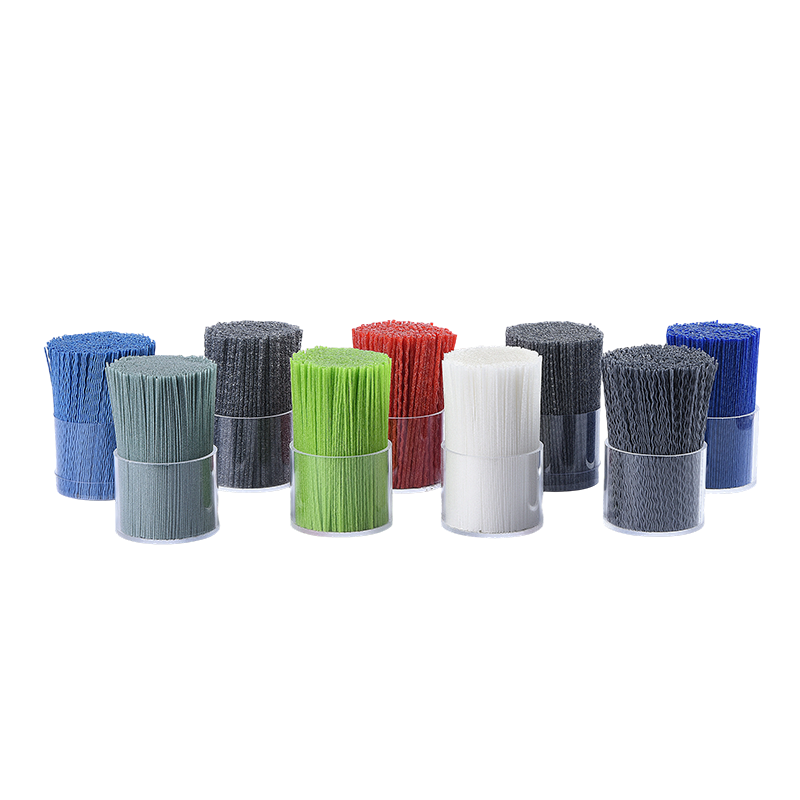
For heavy-duty applications, PA610 can be engineered into abrasive filament and frosted filament. These are used in industrial deburring, metal finishing, and surface polishing. The high wear resistance of PA610 means the filaments can withstand the friction of high-speed rotation without melting or deforming prematurely.
3. Monofilament for Daily Use
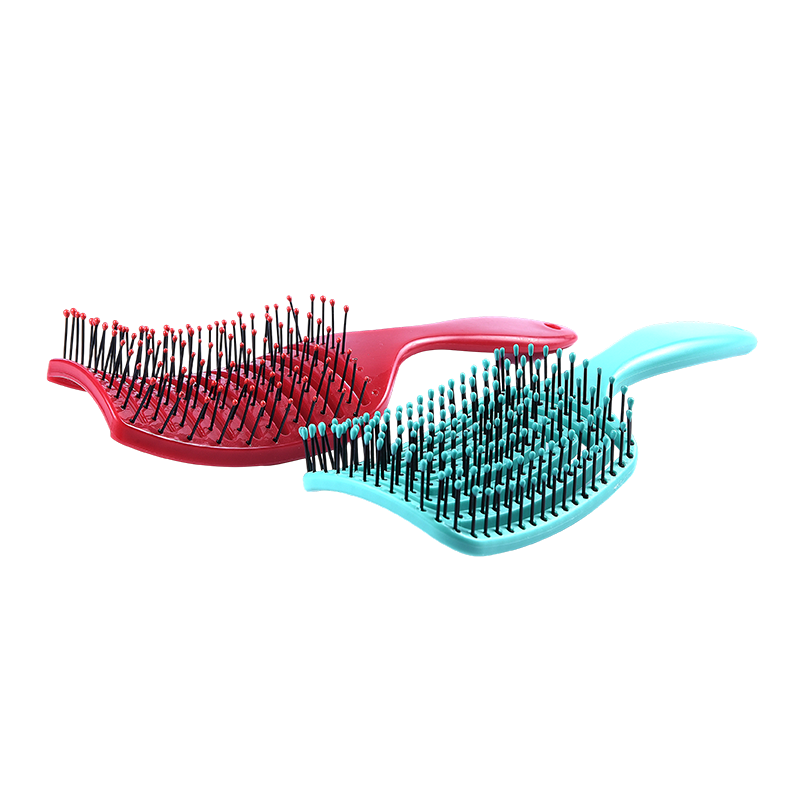
Beyond brushes, PA610 is a top choice for monofilament daily filament used in everything from high-quality hairbrushes to specialized textile applications. Its electrical properties also allow it to be used in anti-static brushes for sensitive electronic assembly lines.
The Importance of Choosing High-Quality PA610
When sourcing Nylon PA610 brush filament, quality control is paramount. Low-grade polymers may mix PA610 with cheaper resins, compromising the low water absorption and tensile strength that make the material valuable. Premium PA610 should be processed with precision to ensure a uniform diameter throughout the monofilament, which prevents "bristle loss" or uneven wear in the final brush product.
Manufacturers who switch to PA610 filaments often report a decrease in product returns and an increase in customer satisfaction, particularly in the premium segments of the market where durability is a key selling point. The material’s ability to resist oils and chemicals further expands its lifespan, providing excellent value for money over time.
Frequently Asked Questions (FAQ) About Nylon PA610
Is Nylon PA610 an environmentally friendly material?
Yes, Nylon PA610 is considered a bio-based plastic because its sebacic acid component is derived from castor oil. This reduces its carbon footprint compared to nylons made entirely from petroleum-based chemicals.
How does PA610 handle extreme temperatures?
PA610 is known for its good low temperature resistance, maintaining its toughness where other plastics might crack. While it handles heat well for general applications, it is particularly praised for its stability in fluctuating temperature environments.
Why is PA610 preferred for abrasive filaments?
The high wear resistance and tensile requirements of abrasive tools are met perfectly by PA610. It can be loaded with abrasive grits (like silicon carbide) while maintaining the structural integrity of the filament base.
Does PA610 yellow over time like other nylons?
All nylons have some sensitivity to UV light, but Nylon PA610 typically shows better stability than Nylon 6. With proper additives, it can be made highly resistant to UV-induced discoloration and degradation.