
 English
 русский
 Türk
TürkContent
- 1 Overview of Nylon PA66: The Versatile Leader in Engineering Plastics
- 2 Superior Performance in Harsh Chemical Environments
- 3 The Economic Advantage: Local Production vs. Imported Goods
- 4 Broad Spectrum of Industry Applications
- 5 Conclusion: Maximizing Value with PA66
- 6 Frequently Asked Questions (FAQ) About Nylon PA66 Filaments
Overview of Nylon PA66: The Versatile Leader in Engineering Plastics
In the global manufacturing landscape, Nylon PA66 (Polyamide 66) has established itself as a cornerstone material. As a high-performance thermoplastic, it is formed through the precise polycondensation of adipic acid and hexamethylenediamine. This chemical process creates a translucent, white, or black crystalline polymer that is characterized by amide groups repeating within its macromolecular chain. Among the five major engineering plastics, PA66 boasts the largest output and the widest application range, making it the go-to choice for industries requiring reliable, high-strength synthetic fibers.
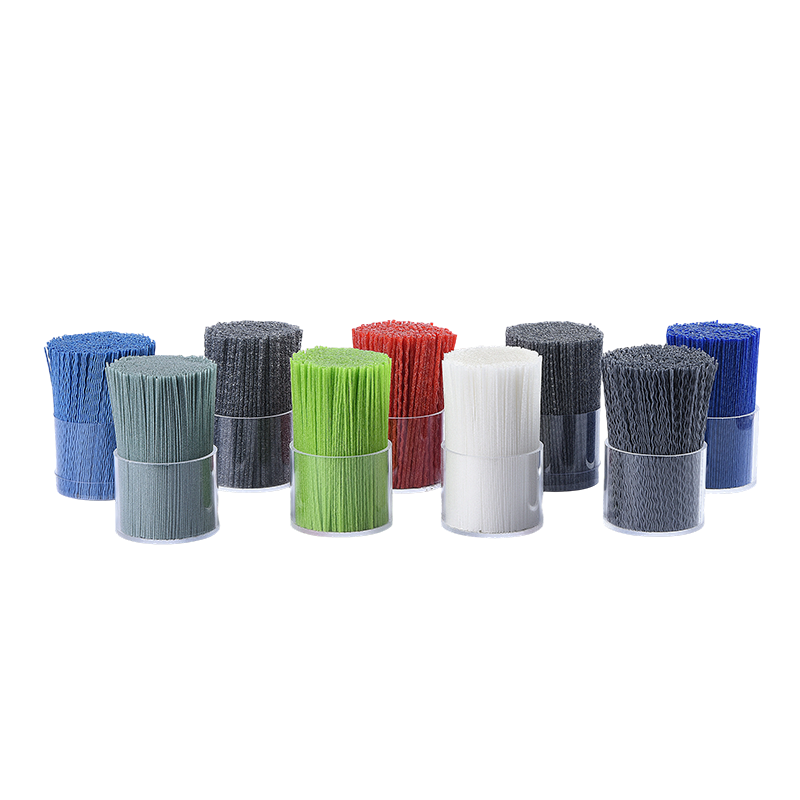
When extruded into Nylon PA66 brush filament, this material provides a unique combination of mechanical toughness and thermal stability. Its popularity stems from its ability to offer high-end performance at a more accessible price point compared to specialty long-chain nylons. For businesses looking to balance budget and quality, PA66 serves as an ideal solution for a vast array of brushing and cleaning tools, from household utility brushes to heavy-duty industrial scrubbers.
Superior Performance in Harsh Chemical Environments
Resistance to Acids, Alkalis, and Solvents
One of the defining features of Nylon PA66 is its exceptional chemical resistance. In many industrial cleaning scenarios, brushes are subjected to aggressive cleaning agents. PA66 maintains its structural integrity when exposed to acids, alkalis, and various organic solvents. This stability prevents the filaments from becoming brittle or dissolving, ensuring a consistent cleaning action even in the most demanding "harsh environments."
Mechanical Strength and Heat Resistance
Compared to Nylon 6, PA66 has a higher melting point and greater stiffness. This makes it particularly effective for high-speed power brushes where friction-generated heat can cause lower-grade filaments to soften or fuse. The crystalline structure of PA66 ensures that the bristles remain upright and maintain their "flick" or spring-back capability over millions of cycles, which is a critical metric for industrial efficiency.
| Technical Parameter | Nylon 6 (PA6) | Nylon 66 (PA66) | Nylon 612 (PA612) |
|---|---|---|---|
| Melting Point (°C) | 215 - 220 | 255 - 265 | 210 - 215 |
| Tensile Strength | Good | Excellent | Very Good |
| Cost Efficiency | Highest | High | Moderate |
The Economic Advantage: Local Production vs. Imported Goods
A common misconception in the brush industry is that imported filaments are inherently superior. However, modern manufacturing for PA66 brush wire has reached a level where local production utilizes the same high-quality raw materials and advanced extrusion technology as international competitors. This shift has created several advantages for domestic buyers:
- Lower Procurement Costs: By eliminating international shipping fees and import duties, PA66 filament is significantly cheaper than its imported counterparts.
- Faster Delivery Times: Localized supply chains allow for rapid fulfillment, reducing the need for companies to maintain massive, costly inventories.
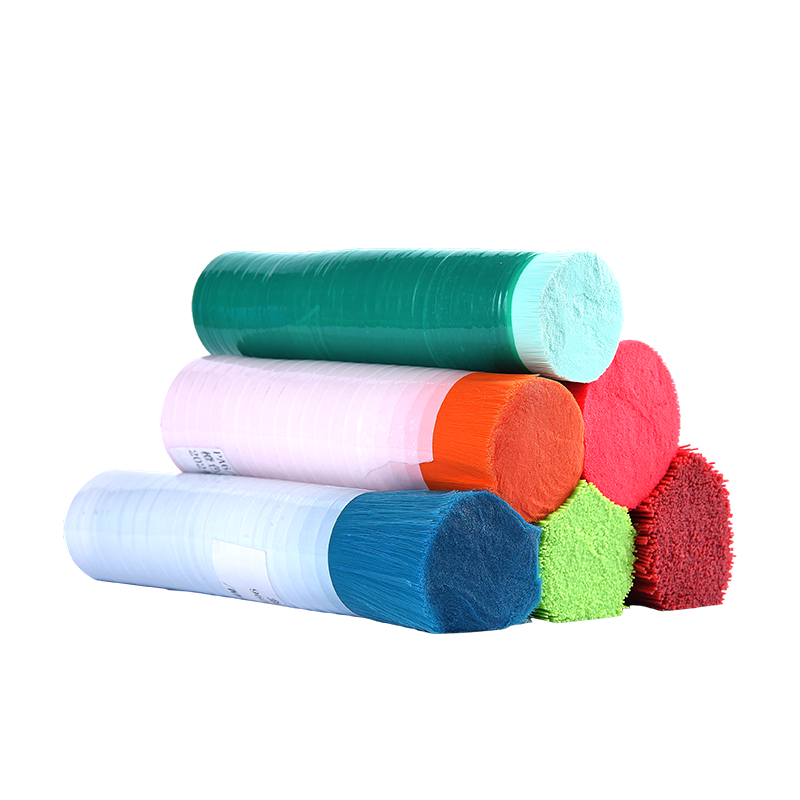
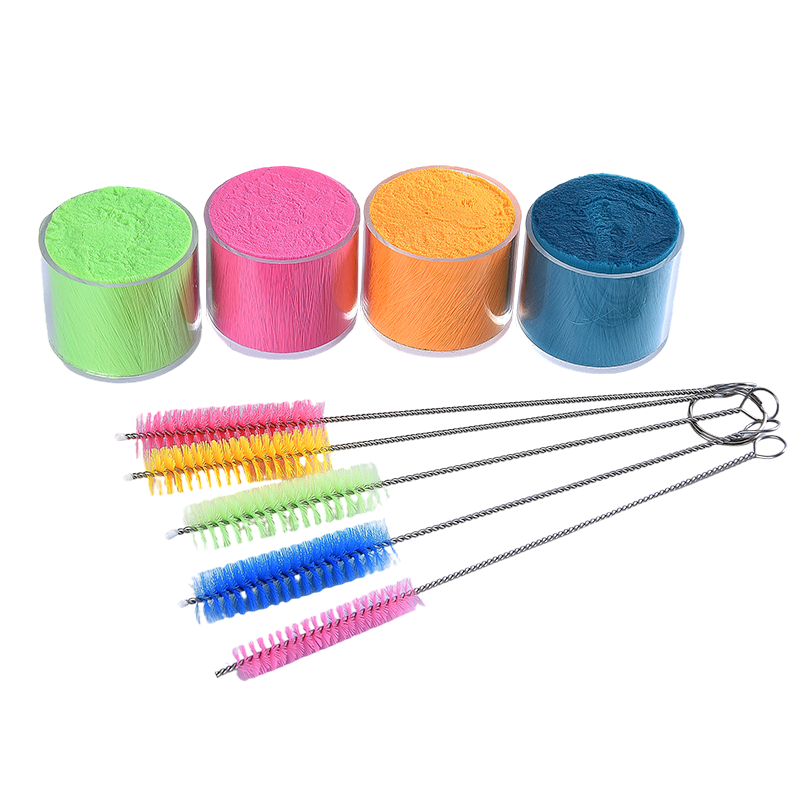
- Advanced Customization: Manufacturers can request specific diameters, colors, and lengths customized according to customer requirements with much higher flexibility.
Broad Spectrum of Industry Applications
Given its balanced profile, Nylon PA66 brush filament is found in almost every sector of the economy. Its durability and tensile strength make it irreplaceable for specific use cases:
1. Industrial Polishing and Deburring
Because PA66 is a high-performance thermoplastic with high hardness, it is often used in mechanical brushes for metal finishing. It can withstand the high RPMs of power tools while providing enough abrasive force to clean surfaces without damaging the underlying substrate.
2. Commercial Cleaning and Sweeping
For street sweepers and floor scrubbers, the stable performance of PA66 is vital. It resists the wear and tear of concrete surfaces and maintains its shape even when saturated with detergents and water.
3. Household and Personal Care
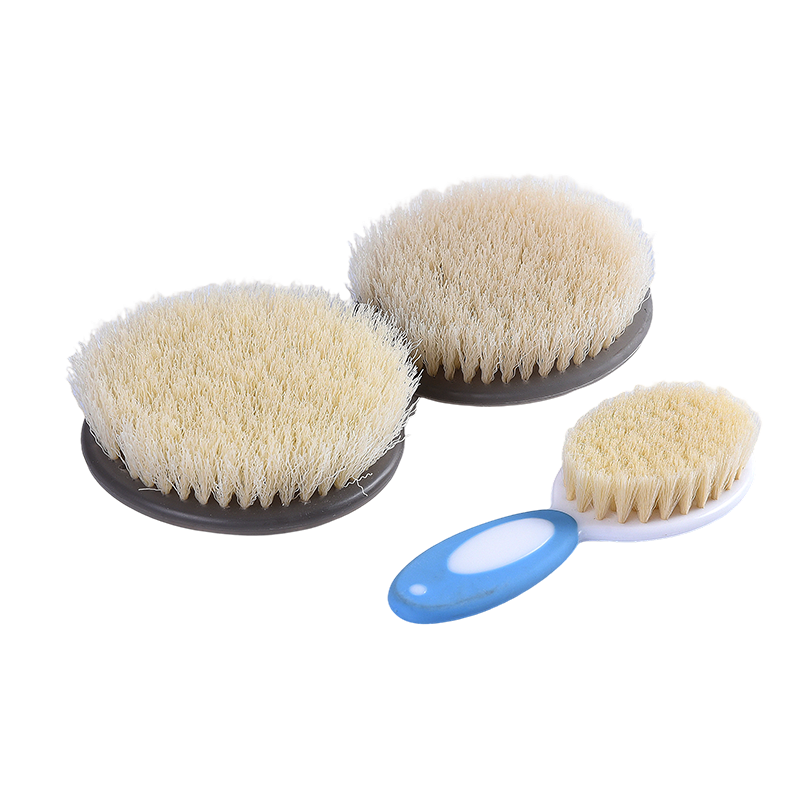
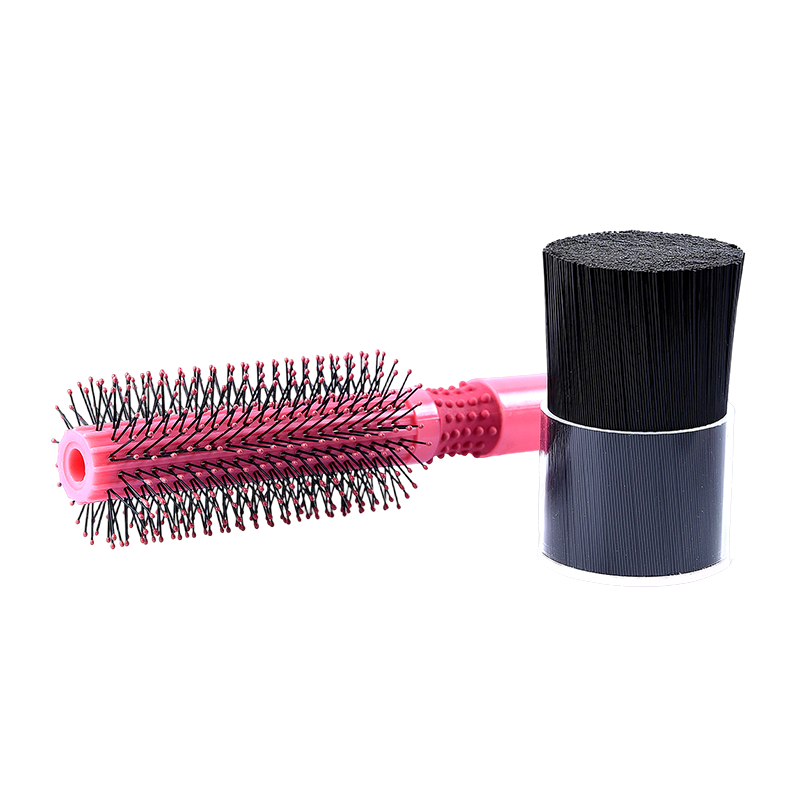
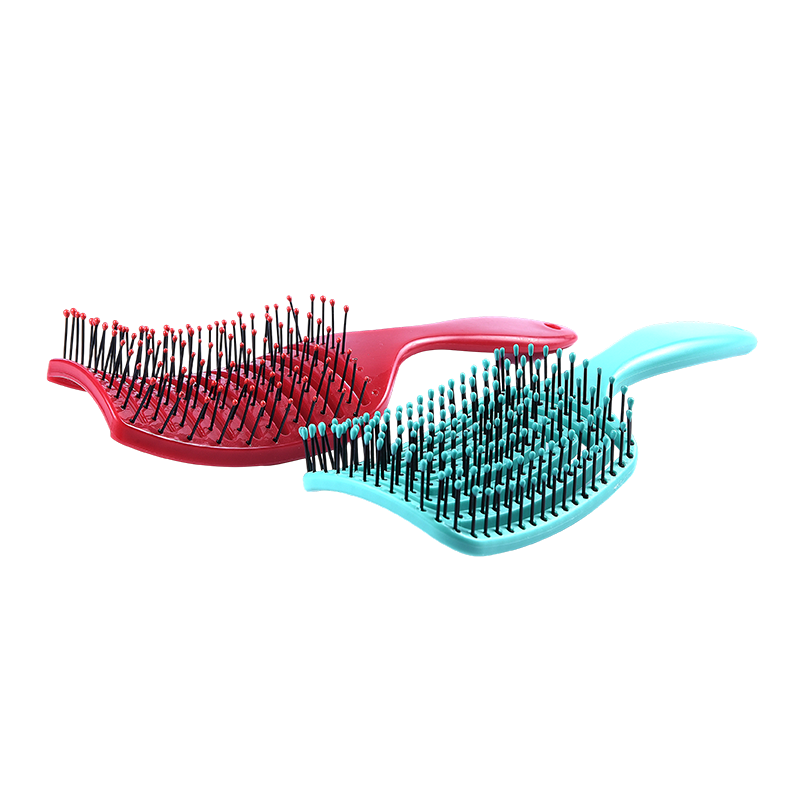
From hairbrushes to dish scrubbers, PA66 provides a hygienic and long-lasting bristle solution. Its resistance to heat allows these products to be cleaned in hot water or dishwashers without the bristles warping or losing their effectiveness.
Conclusion: Maximizing Value with PA66
Ultimately, the decision to use Nylon PA66 brush filament comes down to its incredible versatility. It provides the mechanical strength needed for industrial tasks while remaining cost-effective for mass-market consumer goods. By choosing a manufacturer that utilizes advanced processes and top-tier raw materials, you can ensure that your final product is not inferior to imported products, all while enjoying faster lead times and lower costs.
Frequently Asked Questions (FAQ) About Nylon PA66 Filaments
What is the main difference between PA6 and PA66 filaments?
PA66 has a higher melting point and higher stiffness than PA6. While PA6 is more economical, PA66 is preferred for applications involving higher temperatures or where greater mechanical rigidity is required.
Does Nylon PA66 absorb water?
Yes, like most nylons, PA66 is hygroscopic. It will absorb some moisture, which can slightly reduce its stiffness. If your application requires absolute wet-stiffness, you might consider PA612, but for most general uses, PA66's performance remains highly reliable.
Can I customize the color of PA66 bristles?
Absolutely. One of the key benefits of PA66 is that it can be customized according to customer requirements, including a wide palette of colors through the use of high-quality masterbatches during the extrusion process.
Is PA66 safe for food-contact brushes?
Pure PA66 is generally safe, but for food-grade applications, the filament must be produced under specific conditions and certified by regulatory bodies. Always check with your supplier for compliance documentation.