
 English
 русский
 Türk
TürkContent
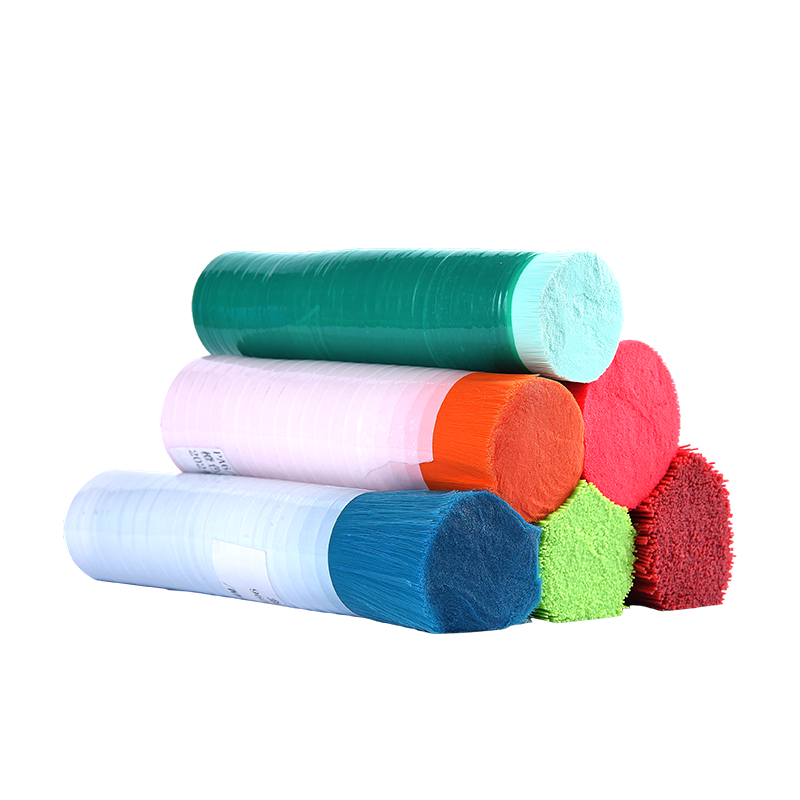
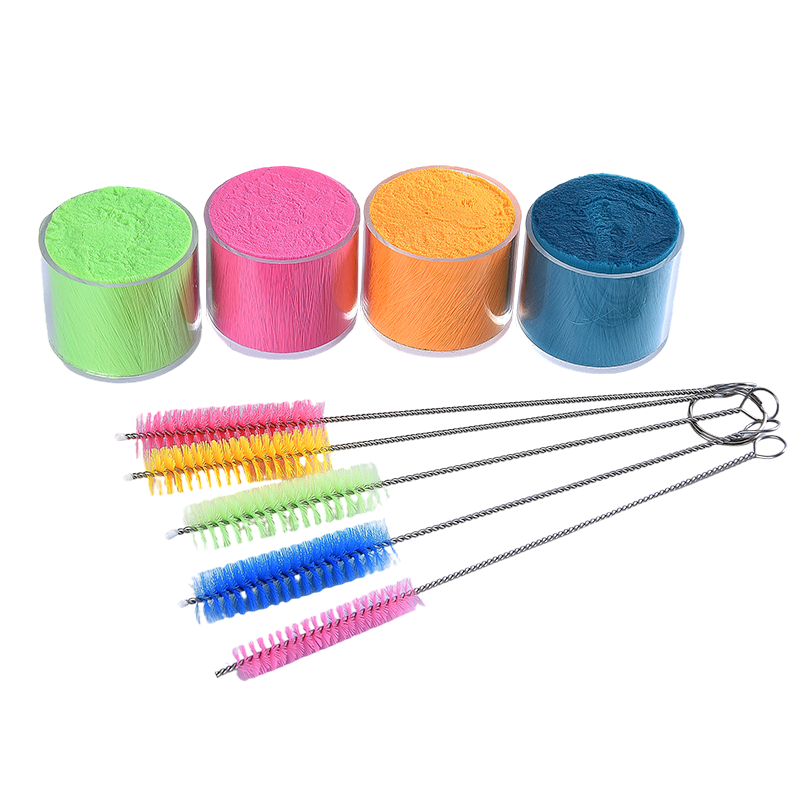
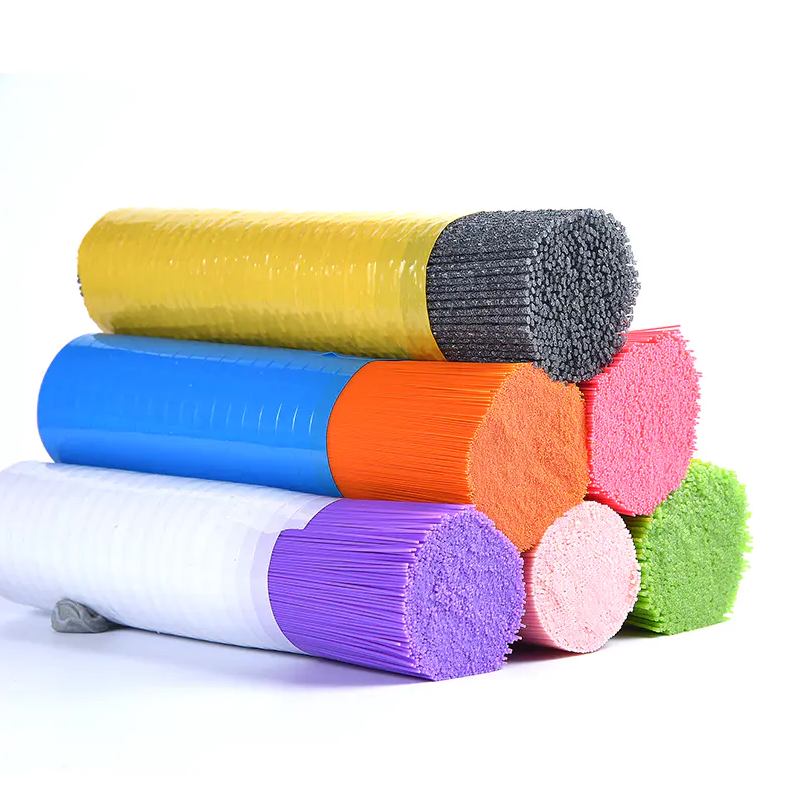
Abrasive Filament, also known as abrasive-containing nylon filaments, abrasive brush filaments, or abrasive nylon, are a crucial abrasive material in modern industrial cleaning, deburring, surface treatment, and finishing. They combine the flexibility of nylon with the cutting power of abrasives by uniformly dispersing and fixing abrasive particles (such as silicon carbide, alumina, or diamond) within a high-quality nylon substrate (typically PA6, PA66, or PA12).
Composition and Core Advantages of Abrasive Filament
Unique Composite Structure
The core of Abrasive Filament lies in their composite structure. The nylon substrate provides the briquettes with excellent elasticity and fatigue resistance, allowing them to maintain their shape under high-speed rotation or high-intensity operation. The embedded abrasive particles are responsible for the actual grinding and polishing work.
The advantages of this combination include:
- Self-Sharpening: During use, the nylon substrate gradually wears down, continuously exposing new abrasive particles, ensuring consistently stable cutting force and efficient cleaning results.
- Flexible Abrasion: Unlike traditional wire brushes or rigid grinding wheels, brushes made of abrasive filaments offer excellent flexibility, better adapting to irregular workpiece surfaces to achieve uniform and gentle deburring and finishing.
- High Safety and Long Lifespan: Compared to metal brushes, nylon bristles are safer and offer excellent chemical resistance and a longer service life.
Main Applications of Abrasive Fibers
Due to their unique properties, abrasive filaments play a crucial role in many industries, especially in fields with high surface finish requirements. Their main applications include:
Machining
Function: Primarily used for deburring, chamfering, and cleaning residues left during machining.
Key Advantages: Efficiently removes burrs generated during machining without damaging the workpiece substrate.
Automotive Industry
Function: Involved in polishing engine parts and honing cylinder blocks.
Key Advantages: Significantly improves the surface roughness of parts, contributing to improved sealing and wear resistance.
Wooden Furniture
Function: Used for wood grain brushing, surface sanding, and primer finishing.
Key Advantage: Highlights the natural wood grain, preparing the wood for subsequent coating processes.
Electronic Circuits
Function: Used for surface cleaning and oxide layer removal on PCB boards.
Key Advantage: Achieves fine cleaning, avoids excessive scratches, and protects delicate electronic components.
Metal Surface Treatment
Function: Includes rust removal, oxide scale removal, and creating brushed finishes.
Key Advantage: Helps achieve a uniform and aesthetically pleasing surface finish, thereby increasing the added value of the product.
How to Choose the Right Abrasive Wire?
Choosing the right abrasive wire requires considering the following important parameters:
- Abrasive Material Type:
- Silicon Carbide (SC): High hardness, suitable for processing hard alloys, glass, stone, etc.
- Aluminum Oxide (AO): Good toughness, suitable for processing common metals such as steel and iron.
- Diamond: Used for grinding extremely hard materials or special ultra-precision grinding.
- Grit Size: The size of the abrasive particles. Smaller grit numbers (e.g., #46) indicate coarser particles and stronger cutting force; larger numbers (e.g., #1000) indicate finer particles, suitable for polishing and finishing.
- Filament Diameter: Affects the rigidity of the bristles. Larger bristle diameters result in a harder brush, suitable for heavy deburring.
- Impact Density: Affects the uniformity and efficiency of cleaning or grinding.
With the increasing demands for product surface quality in manufacturing, abrasive filaments have become indispensable tools for efficient, precise, and flexible grinding. Whether for large-scale industrial deburring or ultra-precision polishing applications, this unique nylon abrasive material demonstrates superior performance and broad application prospects.