
 English
 русский
 Türk
TürkContent
- 1 The Chemistry and Physical Nature of PA6 Filament
- 2 Mechanical Performance: Wear Resistance, Elasticity, and Impact Resistance
- 3 Chemical Resistance: What PA6 Filament Can and Cannot Withstand
- 4 Filament Geometry: Diameter, Profile, and Tip Shape
- 5 Applications of PA6 Brush Filament Across Industries
- 6 PA6 vs. PA66 and Other Filament Materials: Performance Comparison
- 7 Limitations of PA6 Filament and How to Manage Them
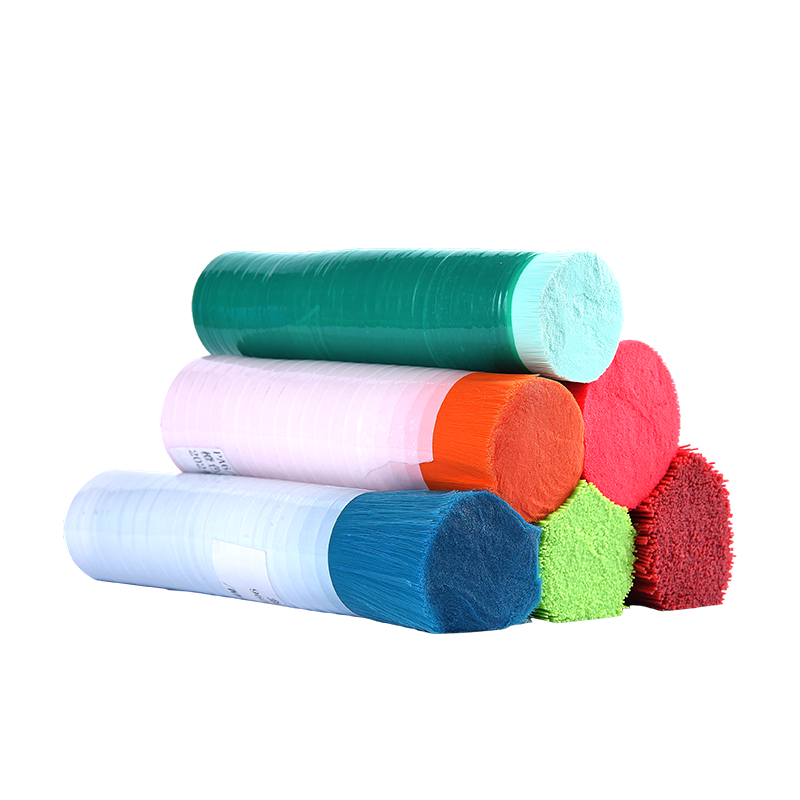
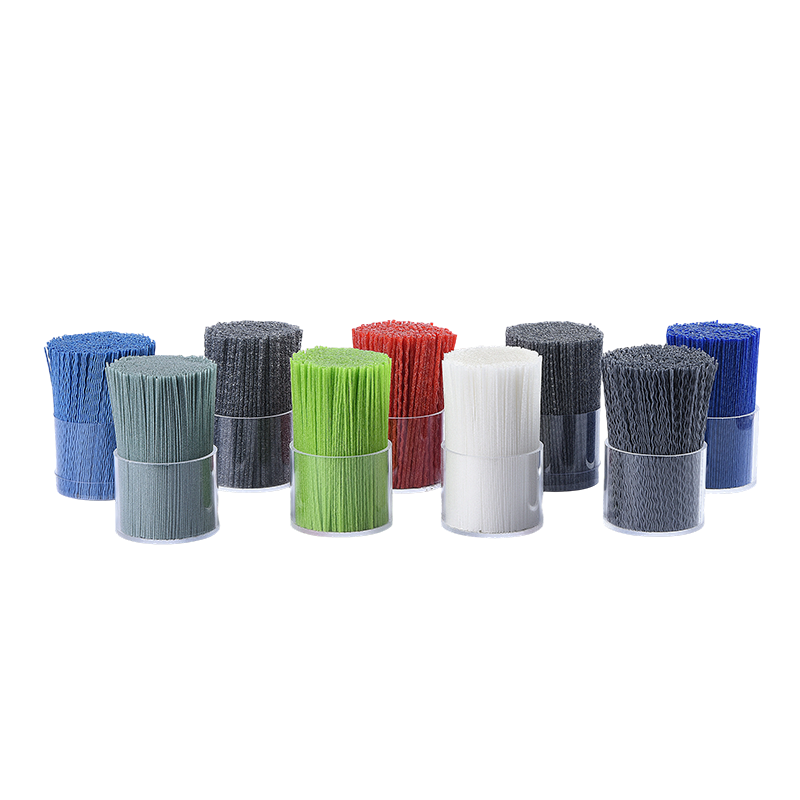
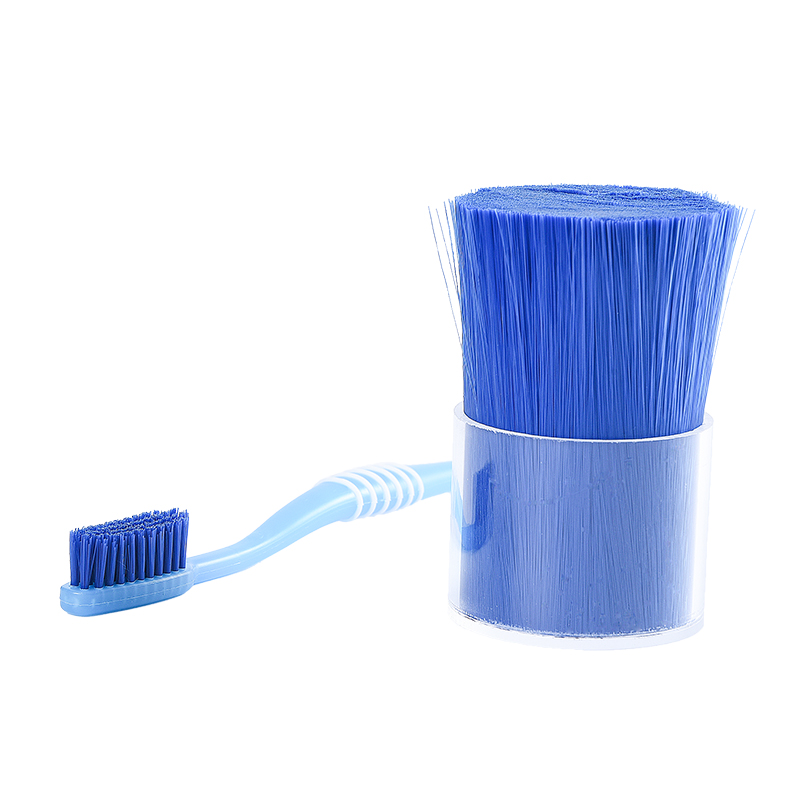
Nylon PA6 brush filament is a monofilament fibre produced by melt-extruding polyamide 6 (PA6)—also known as nylon 6—into thin, flexible, continuous strands that are then cut to length and assembled into brushes. PA6 filament is one of the most widely used synthetic bristle materials in both consumer cleaning brushes and industrial brush manufacturing, valued for its combination of mechanical toughness, wear resistance, good chemical stability against most common solvents and alkalis, and the ability to be produced in a wide range of diameters, stiffness levels, and cross-sectional profiles to suit different brushing applications.
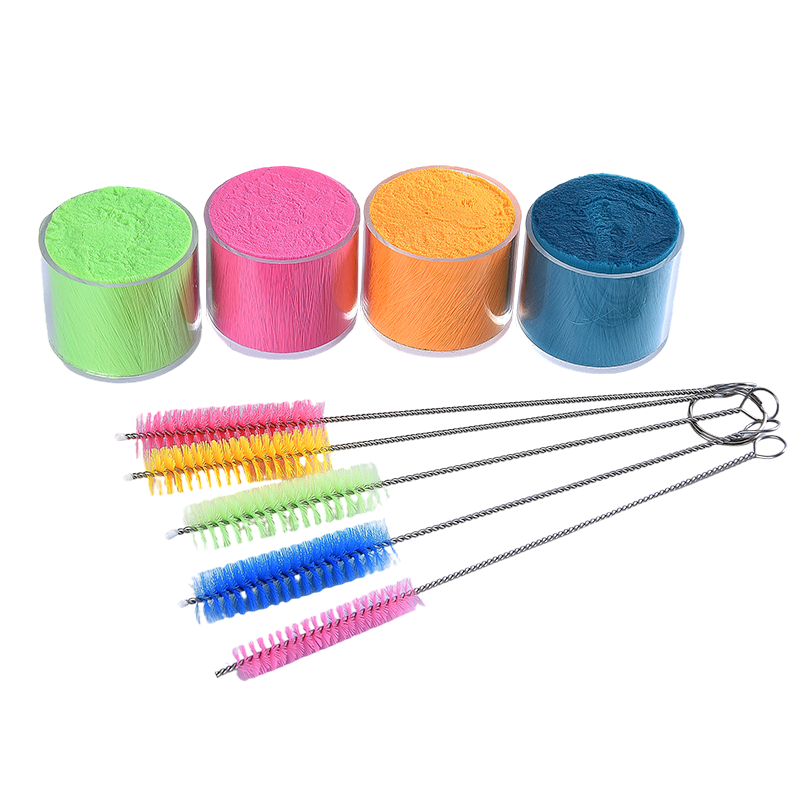
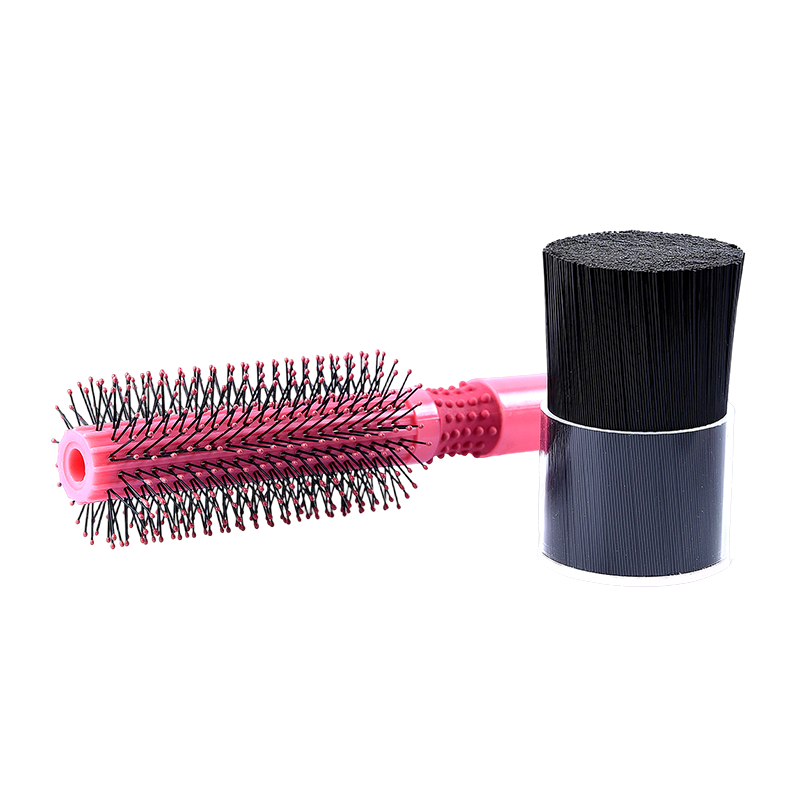
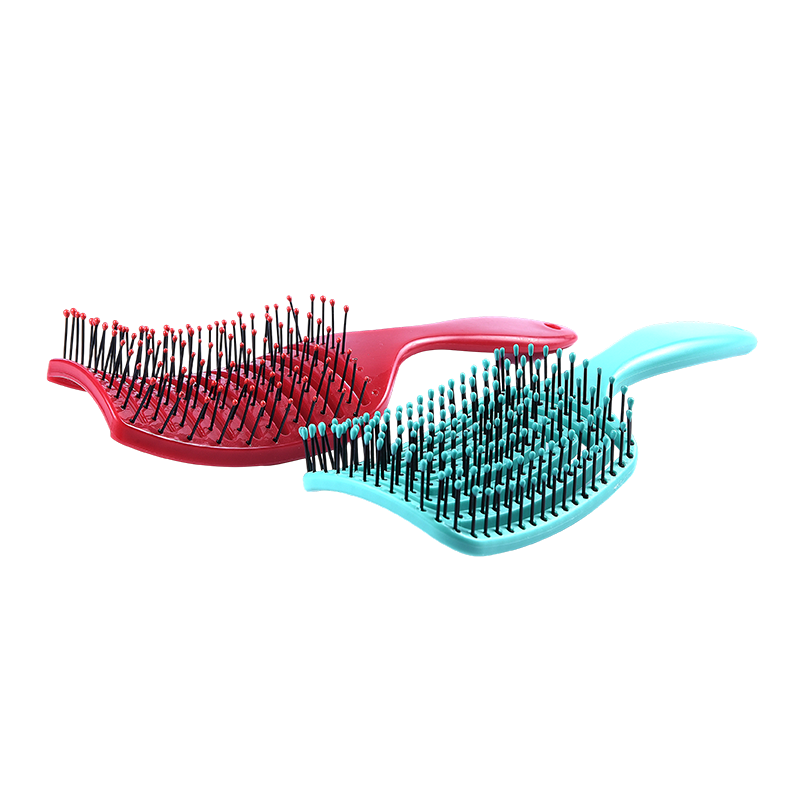
The material appears as a translucent to opaque milky-white filament in its natural form and can be pigmented to virtually any colour during extrusion. PA6 filaments are used in daily household cleaning brushes such as bottle brushes, pan brushes, and bath brushes, as well as in industrial strip brushes, conveyor brushes, deburring brushes, and road sweeping brushes—applications that demand consistent mechanical performance under prolonged and repetitive flexural and abrasive stress.
The Chemistry and Physical Nature of PA6 Filament
Polyamide 6 is produced by the ring-opening polymerisation of caprolactam, a cyclic monomer. The resulting polymer chain contains regularly spaced amide linkages (—CO—NH—) that enable strong hydrogen bonding between adjacent chains, giving PA6 its characteristic combination of strength, toughness, and moderate crystallinity. This molecular structure distinguishes PA6 from PA66 (nylon 66), which is produced from two different monomers and has a slightly higher melting point and stiffness—a distinction relevant when comparing brush filament performance across nylon grades.
Key Physical Properties of PA6 Filament
The following properties define PA6's performance as a brush filament material and explain why it is selected for specific applications over alternative materials:
- Melting point: approximately 215–225°C — lower than PA66 (approximately 255–265°C), which limits PA6 brush use in very high-temperature applications but makes processing easier and less energy-intensive
- Tensile strength: 70–85 MPa — sufficient to resist breakage under normal brushing loads; individual filaments flex and recover without fracturing under repeated cyclic bending
- Elongation at break: 150–300% — high elongation indicates the filament can undergo significant deformation before failure, contributing to durability in applications where bristles are repeatedly deflected under load
- Density: approximately 1.12–1.14 g/cm³ — similar to PA66 and significantly lighter than natural bristle materials such as boar hair, making PA6 brushes lightweight and easy to handle
- Water absorption: 2.5–3.5% at equilibrium (23°C, 50% RH); up to 8–11% at full immersion — the most significant limitation of PA6; absorbed moisture acts as a plasticiser, reducing stiffness and affecting dimensional stability of the filament and brush assembly
- Service temperature range: -40°C to approximately 100°C (continuous), up to 130°C (short-term) — good low-temperature toughness makes PA6 filament suitable for cold-environment applications such as refrigeration unit cleaning brushes and food processing brushes in chilled environments
Mechanical Performance: Wear Resistance, Elasticity, and Impact Resistance
The mechanical performance of a brush filament material determines how long the brush remains effective in service. Three properties are most critical for brush filaments: wear resistance (how slowly the filament tip erodes under repeated contact with surfaces), elastic recovery (how completely the filament returns to its original position after deflection), and impact resistance (resistance to fracture under sudden or high-force contact).
Wear Resistance
PA6's wear resistance is significantly superior to most thermoplastics used as brush filament alternatives. The combination of high surface hardness, moderate crystallinity, and low coefficient of friction against most surfaces means PA6 filament tips erode slowly under the abrasive action of brushing. In comparative wear testing against polyethylene (PE) and polypropylene (PP) filaments—two common lower-cost alternatives—PA6 typically demonstrates 3 to 5 times greater wear resistance, translating directly to longer brush service life and lower replacement frequency in industrial applications.
Elastic Recovery (Flagging Resistance)
"Flagging" refers to the permanent deformation of bristles that have been repeatedly deflected under load—the familiar symptom of a worn brush where the bristles no longer stand upright but splay outward permanently, reducing cleaning effectiveness. PA6's combination of high tensile modulus and good elastic recovery gives it excellent resistance to flagging compared to softer, lower-modulus filament materials. After flexion to a significant deflection angle and release, PA6 filament returns to within a few degrees of its original position, maintaining consistent bristle geometry and cleaning performance over thousands of brush strokes.
Impact Resistance and Low-Temperature Performance
PA6 maintains good impact resistance at low temperatures—a property that distinguishes it from several competing thermoplastic filament materials. While PET filaments become brittle at sub-zero temperatures and PP experiences a pronounced ductile-to-brittle transition below approximately -10°C, PA6 retains useful toughness down to -40°C, making it the preferred choice for brushes used in freezer environments, cold storage cleaning equipment, and outdoor winter applications.
Chemical Resistance: What PA6 Filament Can and Cannot Withstand
Chemical resistance is a key selection criterion for brush filaments used in industrial cleaning, chemical processing, and food and beverage applications where the filament contacts cleaning agents, process chemicals, or food materials. PA6 filament offers a broadly useful chemical resistance profile, but with specific limitations that must be understood for correct material selection.
Chemical Resistance Strengths
- Alkalis — PA6 shows good resistance to dilute and moderate-concentration alkali solutions, including sodium hydroxide at concentrations up to approximately 10% at room temperature; this makes PA6 suitable for brushes used with alkaline cleaning detergents common in food service and industrial cleaning
- Hydrocarbons and oils — PA6 is generally resistant to aliphatic hydrocarbons, mineral oils, and lubricating greases, making it suitable for brushes used in automotive maintenance, engineering workshops, and machinery cleaning
- Esters and ketones — moderate resistance to common esters and ketones at room temperature
- Most food materials — non-reactive with fats, proteins, carbohydrates, and most food-grade cleaning agents; PA6 filaments can be produced in food-contact-compliant grades meeting EU Regulation No. 10/2011 or FDA requirements
Chemical Resistance Limitations
- Strong acids — PA6 is attacked by concentrated mineral acids (hydrochloric, sulphuric, nitric acid), which hydrolyse the amide bonds and degrade the polymer chain; avoid PA6 filaments where the brush contacts strong acid solutions
- Phenol and formic acid — PA6 is soluble in phenol and concentrated formic acid at elevated temperatures; these solvents are used in PA6 solution processing but disqualify PA6 from contact with these specific chemicals in brushing applications
- Concentrated alcohols at elevated temperature — limited resistance; prolonged contact with concentrated alcohols above 40°C can cause swelling and softening
- UV radiation (prolonged outdoor exposure) — unstabilised PA6 yellows and degrades on prolonged UV exposure; UV-stabilised grades with carbon black or UV absorber additives are required for outdoor brush applications
Filament Geometry: Diameter, Profile, and Tip Shape
The geometry of an individual PA6 filament—its diameter, cross-sectional profile, and tip form—has a profound effect on brush performance. These parameters are specified during filament production and should be matched carefully to the intended application.
Filament Diameter and Stiffness
PA6 brush filaments are produced in a wide range of diameters, typically from 0.05 mm (50 µm) to 2.0 mm, with the most common range for general brush manufacture being 0.10 mm to 0.80 mm. Filament stiffness (resistance to bending) increases with the fourth power of diameter—meaning doubling the diameter produces a filament that is 16 times stiffer under an equivalent bending load. This relationship makes diameter the most powerful tool for controlling brush aggressiveness:
- 0.05–0.15 mm — ultra-fine, very soft; cosmetic brushes, delicate surface dusting, precision cleaning of optical surfaces
- 0.15–0.30 mm — fine, soft to medium; face brushes, bottle brushes, gentle cleaning brushes, paint brushes
- 0.30–0.60 mm — medium; general-purpose cleaning brushes, bowl brushes, pot brushes, bath brushes, strip brushes for light industrial use
- 0.60–1.20 mm — stiff to very stiff; industrial cleaning brushes, conveyor sealing brushes, road sweeping brushes, deburring brushes
- 1.20–2.00 mm — very stiff, coarse; heavy industrial applications, gutter cleaning, scaffold brushes
Cross-Sectional Profiles
While round cross-section is the most common profile for PA6 filaments, non-circular profiles are produced for specific applications. Crimped filaments (filaments with a wave-like form rather than straight) are used in brushes where a more voluminous, fluffy filling is required—such as make-up brushes and light dusting brushes. Hollow filaments have lower stiffness per unit diameter and better water retention for applications such as watercolour brush tips. Tapered filaments—finer at the tip than at the root—replicate the natural taper of boar bristle and animal hair, producing a softer tip contact while maintaining stiffness at the base for structural support.
Applications of PA6 Brush Filament Across Industries
PA6 filament's combination of properties makes it suitable for a remarkably wide range of brush types and applications. The following overview covers the major application categories where PA6 filament is the dominant or preferred bristle material.
Consumer Household Cleaning Brushes
PA6 is the standard filament material in most household cleaning brush types, including bottle brushes, pan and pot brushes, bowl brushes, bath brushes, vegetable scrubbing brushes, toilet brushes, and dish brushes. Its moderate stiffness in the 0.20 to 0.40 mm diameter range provides effective cleaning action on cookware and crockery surfaces without scratching. Its resistance to the alkaline detergents used in household cleaning, combined with its ability to withstand repeated hot water exposure, gives it the service longevity expected from household cleaning products. The ability to produce PA6 filament in any colour allows brush manufacturers to create visually attractive products in coordinated colour schemes.
Personal Care and Cosmetic Brushes
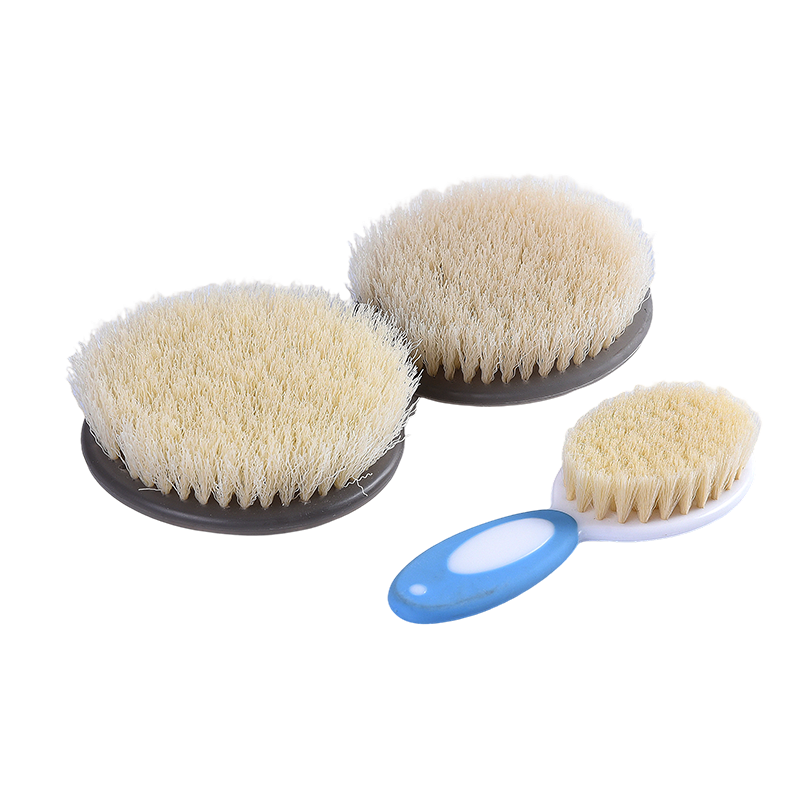
Fine PA6 filaments in the 0.05 to 0.20 mm range are used in face brushes, nail brushes, and hair styling brushes where a soft, gentle contact with skin is required. In cosmetic brushes, PA6 filaments may be tapered or crimped to replicate the texture of natural hair and provide better pigment pick-up and distribution. PA6 in food-contact or skin-contact compliant grades (demonstrating absence of harmful extractables) is specified for personal care applications where regulatory compliance is required.
Industrial Strip Brushes and Sealing Brushes
Strip brushes—long, narrow brushes with filaments anchored in a metal or plastic carrier channel—use PA6 filaments in diameters from 0.40 to 1.50 mm for applications including conveyor sealing (preventing material escape at transfer points), escalator step gap sealing (providing safety barriers at the sides of escalator steps), door and window draught sealing, and machine guarding. In these applications, the PA6 filament must maintain consistent contact pressure against adjacent surfaces over years of continuous operation, requiring sustained elasticity and resistance to permanent set under compressive load.
Road Sweeping and Municipal Cleaning Brushes
Road sweeping machines use rotating disc and cylindrical brushes fitted with PA6 filaments (often in combination with steel wire) to collect litter, debris, and dust from road surfaces. PA6 filaments in the 1.0 to 2.0 mm diameter range provide the necessary stiffness to agitate and transport road debris, while their abrasion resistance against asphalt and concrete gives them sufficient service life between replacements—typically measured in millions of metres of road swept rather than in calendar time.
Food Processing and Agricultural Brushes
PA6 filaments in food-contact-compliant grades are used in produce washing brushes (for washing root vegetables, citrus fruit, and potatoes), meat processing equipment brushes, and conveyor cleaning brushes in food packaging lines. The filament's resistance to the fruit acids, food oils, and sanitising agents encountered in these environments—combined with its ability to withstand the repeated high-pressure washdowns required for food safety compliance—makes it the preferred choice over most alternative synthetic filament materials.
PA6 vs. PA66 and Other Filament Materials: Performance Comparison
PA6 filament is frequently compared with PA66 filament and with alternative synthetic materials—polypropylene (PP), polyethylene terephthalate (PET), and polybutylene terephthalate (PBT)—when specifying brush filaments. Each material has a distinct performance profile that makes it more or less suited to specific applications.
| Property | PA6 | PA66 | PP | PBT |
|---|---|---|---|---|
| Melting point | 215–225°C | 255–265°C | 160–170°C | 220–230°C |
| Wear resistance | Excellent | Excellent | Moderate | Very Good |
| Elastic recovery (anti-flagging) | Very Good | Very Good | Moderate | Good |
| Water absorption | High (up to 11%) | High (up to 9%) | Very Low (<0.03%) | Low (0.08%) |
| Low-temperature toughness | Excellent (to -40°C) | Very Good | Poor (brittle <-10°C) | Good |
| Acid resistance | Poor (strong acids) | Poor (strong acids) | Excellent | Good |
| Relative material cost | Moderate | Moderate–High | Low | Moderate |
PA6 and PA66 are similar in most performance dimensions, with PA66's higher melting point making it the preferred choice for high-temperature brush applications (above 100°C continuous), while PA6's slightly lower cost and easier processing make it the dominant choice for standard temperature applications. PP is selected where acid resistance and minimal water absorption are the priority requirements and where the lower mechanical performance is acceptable. PBT offers a useful middle ground—lower moisture absorption than PA6 with better mechanical properties than PP—and is increasingly specified for brushes requiring dimensional stability in wet environments.
Limitations of PA6 Filament and How to Manage Them
A complete understanding of PA6 brush filament must include its limitations, which are significant enough in some applications to make alternative materials more appropriate.
Hygroscopicity and Dimensional Instability
PA6's most practically significant limitation is its high moisture absorption—up to 8 to 11% by weight at full saturation in water. This moisture uptake causes the filament to swell dimensionally and become softer and more flexible (because water molecules act as a plasticiser between polymer chains). For brush filaments, the practical consequence is that a PA6 brush which is stiff and effective when dry becomes noticeably more flexible and less aggressive when wet or after prolonged water immersion. This is generally acceptable for cleaning applications—where the brush is typically used wet—but must be considered when precise, consistent bristle stiffness is required throughout a brushing process regardless of moisture state.
Management strategies include specifying filament diameter based on the wet (conditioned) mechanical properties rather than dry properties, using PA6/PA66 blends that have slightly lower moisture absorption than pure PA6, or substituting PBT filament where dimensional stability in wet conditions is critical.
Limited High-Temperature Performance
PA6's melting point of 215 to 225°C limits its continuous use temperature to approximately 100°C. Above this threshold, the material progressively softens and loses mechanical properties. For brushes used in steam cleaning, high-temperature food processing, or industrial applications where contact with hot surfaces or fluids above 100°C is routine, PA66 (continuous use to approximately 120°C), PBT, or polyphenylene sulphide (PPS) filaments are more appropriate alternatives.
UV Degradation Without Stabilisation
Unstabilised PA6 undergoes photo-oxidative degradation on prolonged outdoor UV exposure, becoming discoloured (yellowing to brown) and brittle. For brushes intended for permanent outdoor installation—road sweeping brushes, outdoor architectural brushes, garden tool brushes—UV-stabilised PA6 grades incorporating carbon black (for black filaments) or hindered amine light stabilisers (HALS) for coloured filaments should be specified. These grades typically retain adequate mechanical properties for the full intended outdoor service life of 3 to 7 years.