
 English
 русский
 Türk
TürkContent
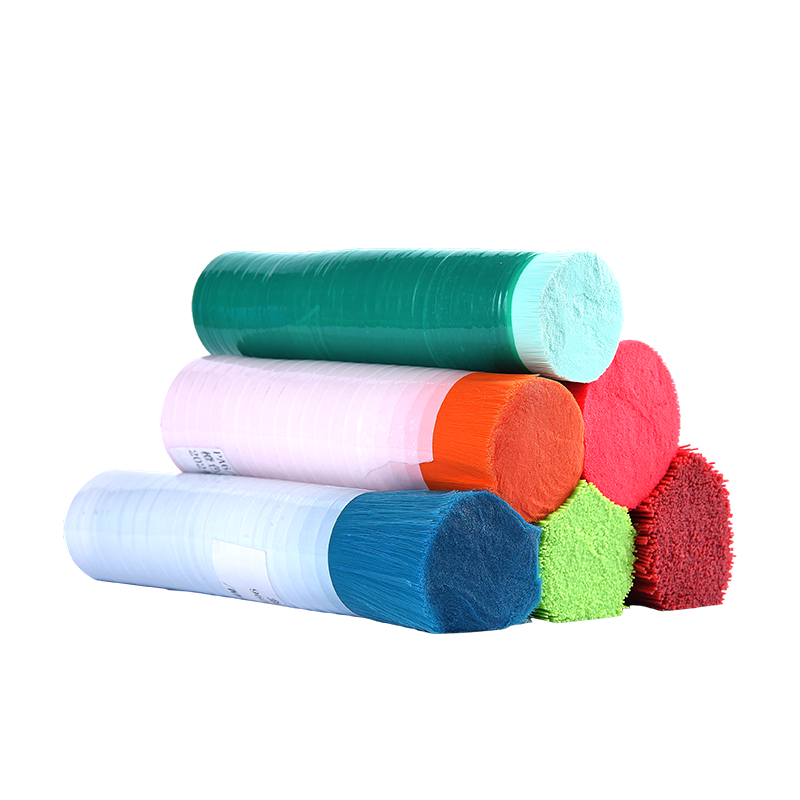
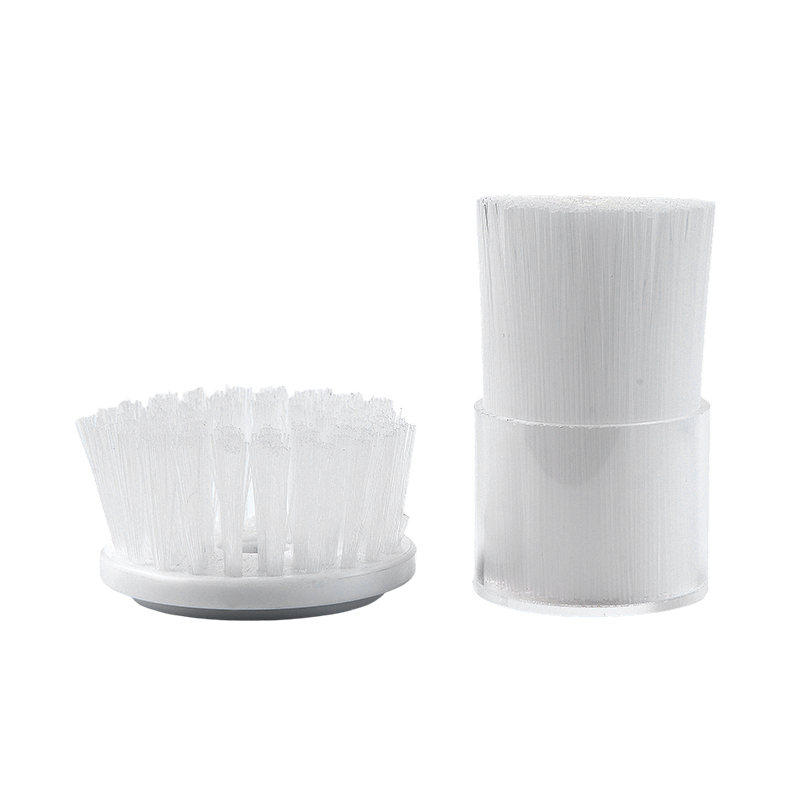
Nylon PA66 brush filament is a monofilament or multifilament wire produced from polyamide 66 (PA66) — a high-performance engineering thermoplastic — that is extruded into fine, flexible strands used as the bristle material in industrial and commercial brushes. PA66 is formed by the polycondensation of adipic acid and hexamethylenediamine, resulting in a crystalline polymer with a melting point of approximately 255–265°C and a combination of mechanical strength, chemical resistance, and wear properties that make it one of the most widely used materials in brush manufacturing worldwide.
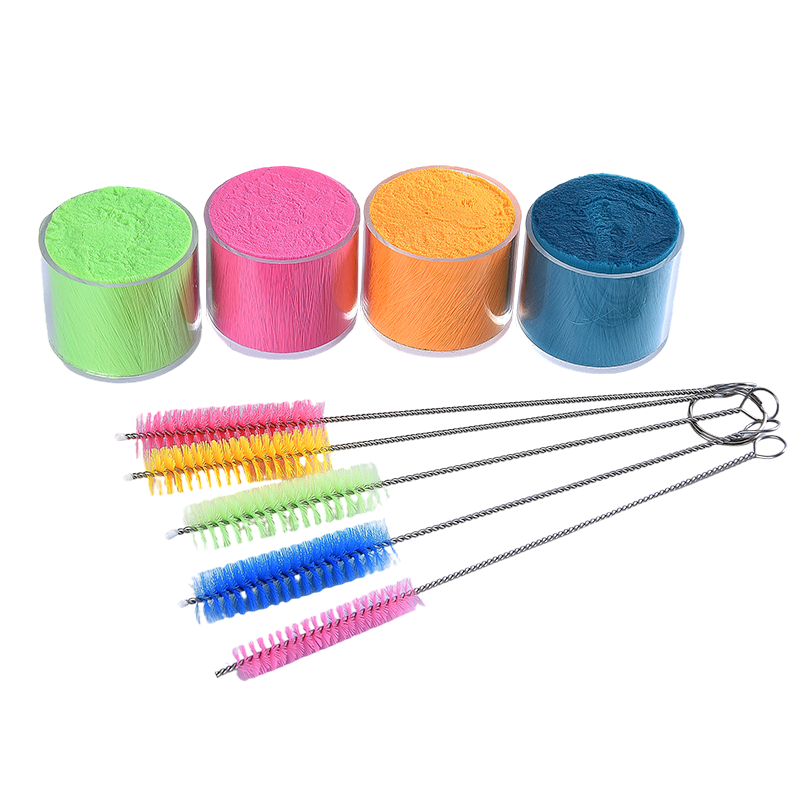
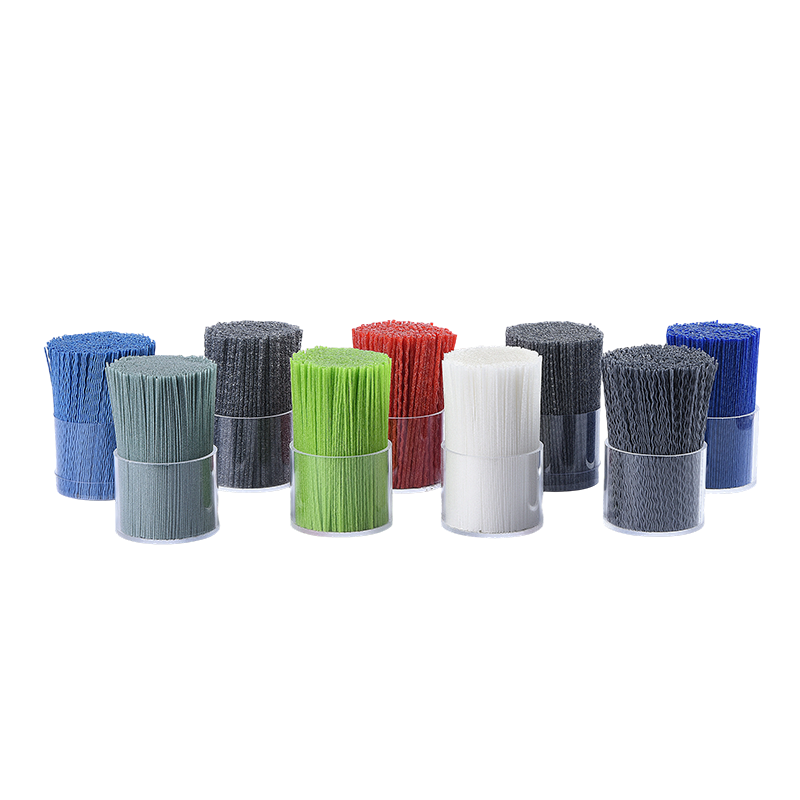
PA66 brush filament is available in diameters typically ranging from 0.07 mm to 1.5 mm, in straight or crimped configurations, and in a range of colors produced by masterbatch addition during extrusion — allowing both functional and aesthetic customization.
Key Material Properties of PA66
| Property | Typical Value | Significance for Brush Use |
|---|---|---|
| Melting point | 255–265°C | Suitable for moderate heat environments |
| Tensile strength | 70–85 MPa | High filament breaking strength |
| Elasticity / recovery | Excellent | Bristles return to shape after deflection |
| Abrasion resistance | Very high | Long service life under friction |
| Chemical resistance | Good (alkalis, solvents, oils) | Stable in most industrial cleaning environments |
| Water absorption | ~2.5–3.5% at saturation | Some dimensional change in wet conditions |
| Operating temperature | -40°C to +120°C continuous | Wide range of operational environments |
Why PA66 Is Chosen Over Other Filament Materials
PA66 vs. PA6 Filament
PA66 and PA6 (nylon 6) are often compared. PA66 offers higher stiffness, better heat resistance, and lower water absorption than PA6, making it preferable in applications where dimensional stability under wet conditions or elevated temperatures is important — such as conveyor belt cleaning brushes, road sweeper brushes, and automotive manufacturing line brushes.
PA66 vs. Polypropylene (PP) Filament
Polypropylene filaments are lighter and more chemically resistant to acids than PA66, but significantly less resistant to abrasion and mechanical fatigue. In applications involving repeated bristle-to-surface contact, PA66 outlasts PP by a wide margin — making it the default choice for performance-critical brush applications despite the higher material cost.
PA66 vs. Natural Fiber (Animal Hair, Plant Fiber)
Natural fibers degrade rapidly in wet or chemically active environments, are difficult to manufacture to consistent diameter, and absorb moisture causing dimensional changes that affect brush performance. PA66 filament provides consistent cross-section, controlled stiffness, and predictable performance over the product lifetime — advantages that are essential for industrial processes requiring repeatable brush contact force.
Applications of PA66 Brush Filament
- Industrial cleaning brushes: Conveyor belt cleaners, bottle washing brushes, parts deburring brushes in metalworking.
- Road and street sweeper brushes: Cylindrical or disc brushes mounted on sweeper vehicles — PA66 provides the abrasion resistance needed against road surfaces.
- Escalator and moving walkway safety brushes: Installed along escalator skirt panels to prevent foot and clothing entrapment — a safety-critical application requiring long service life and dimensional consistency.
- Paint brushes and surface finishing brushes: Fine-diameter PA66 filament provides the flagged-tip action and carrying capacity needed for smooth paint application.
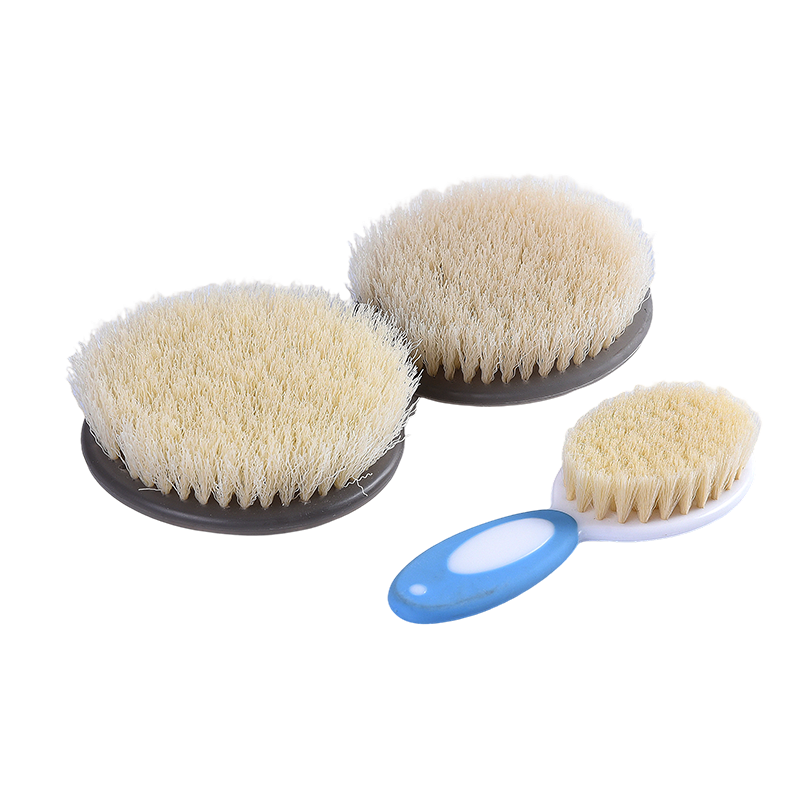
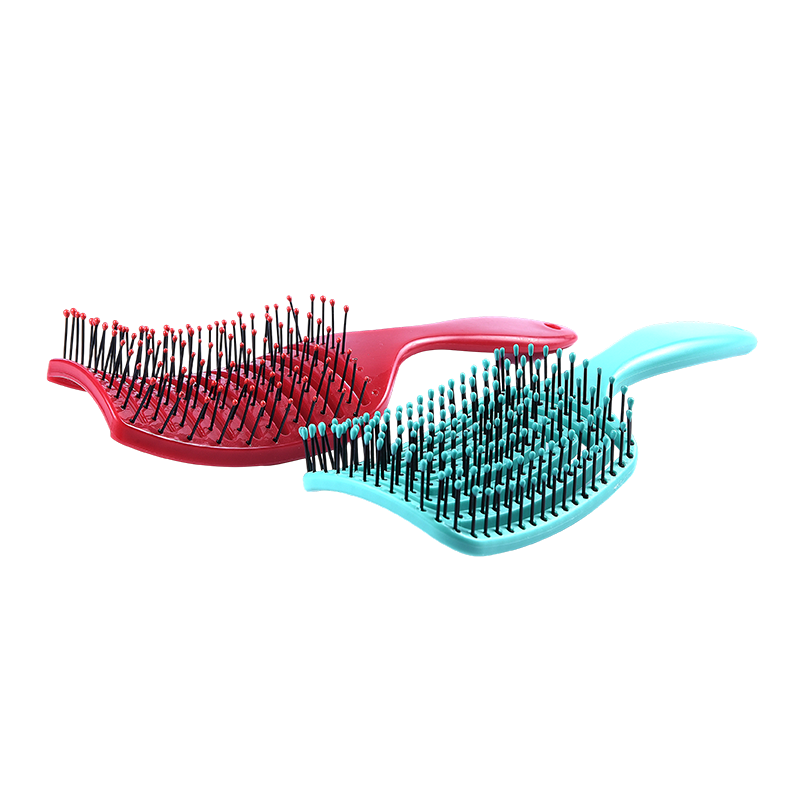
- Toothbrushes and personal care brushes: Narrow-diameter, soft PA66 filament with rounded tips is used in dental and cosmetic brush products.
- Agricultural and horticultural brushes: Fruit and vegetable washing brushes, soil removal rollers, and seed handling equipment.
Filament Specifications to Consider When Sourcing PA66 Brush Filament
- Diameter: Coarser filaments (0.5–1.5 mm) provide higher stiffness and are suited to scrubbing and sweeping; finer filaments (0.07–0.3 mm) provide softer action for finishing and personal care brushes.
- Profile: Round, oval, or triangular cross-section profiles each provide different contact characteristics. Round is standard; triangular profiles increase surface contact area per filament.
- Straight vs. crimped: Crimped (wavy) filaments fill brush volume more densely than straight filaments of the same diameter, providing a fuller brush with more surface contact at lower linear density.
- Abrasive-filled grades: PA66 filament can be compounded with abrasive particles (silicon carbide, alumina) to create filaments that simultaneously brush and abrade surfaces — used in surface preparation and deburring applications.
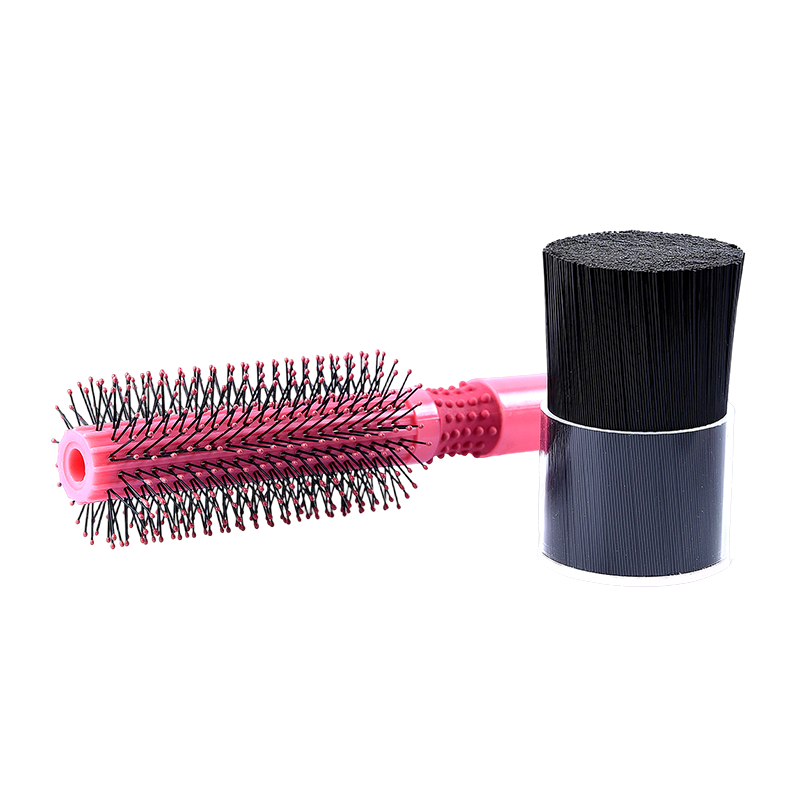
- Color: Available in natural (translucent/white), black, and custom colors. Black PA66 often contains UV stabilizers for outdoor use; colored filaments allow visual identification of brush type in multi-brush production environments.