
 English
 русский
 Türk
TürkContent
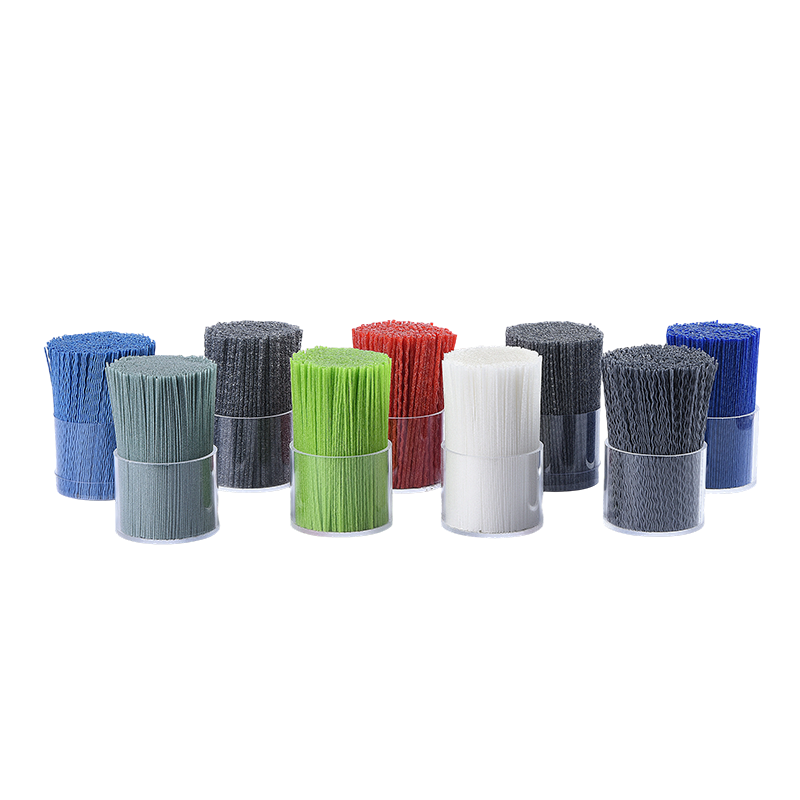
When it comes to manufacturing brushes, whether for a household kitchen or a heavy-duty industrial floor, one question dominates the conversation among product designers: "Which material offers the best balance between durability, cost-effectiveness, and cleaning power?" The answer for a vast majority of global manufacturers is Nylon PA6 Brush Filament. Known for its distinctive milky white appearance and incredible resilience, this material has become the backbone of the cleaning tool industry. But what exactly makes it so special, and where does it perform best?
Understanding the Core: What Makes a Great Filament?
At its simplest level, a brush filament needs to be able to bend without breaking, scrub without wearing down too quickly, and resist the chemicals found in soaps and industrial cleaners. Nylon PA6 (polyamide 6) excels in all these areas.
Technically, it is a thermoplastic polymer. In everyday terms, this means it can be melted and shaped into incredibly fine, strong "hairs" that retain their memory. When you push a brush against a surface, you want the bristles to spring back to their original position. This "bend recovery" is one of the primary reasons why high-quality nylon is preferred over cheaper plastics.
Key Performance Characteristics at a Glance
To help you understand how this material stacks up in a real-world environment, we have broken down its primary physical and chemical properties in the table below:
| Property | Performance Level | Benefit to the User |
| Wear Resistance | High | The brush lasts longer even with daily scrubbing. |
| Impact Strength | Excellent | Bristles won't snap under heavy pressure or drops. |
| Alkali Resistance | Good | Safe to use with most common household detergents. |
| Low Temp Performance | Superior | Remains flexible and effective in cold environments. |
| Appearance | Translucent/Milky | Easy to dye into various colors for consumer branding. |
From the Kitchen to the Factory: Real-World Applications
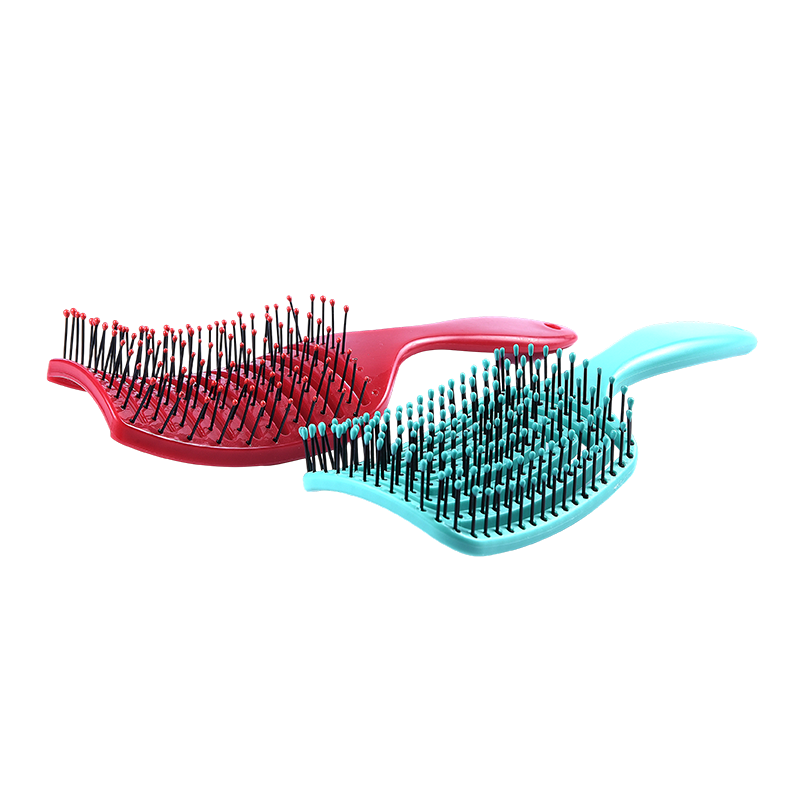
Because of its balanced mechanical properties, you likely interact with Nylon PA6 Brush Filament several times a day without even realizing it. Its versatility allows it to be manufactured in various thicknesses, from soft facial brushes to stiff industrial strip brushes.
1. Household and Personal Care
In the home, hygiene and gentle but effective scrubbing are the priorities. PA6 is widely used in:
-
Kitchen Tools: Bowl brushes, pot brushes, and bottle brushes. It is tough enough to remove burnt food but flexible enough to reach into tight corners.
-
Personal Hygiene: Bath brushes and facial cleansing brushes. When extruded into very fine diameters, the filament provides a soft touch that is gentle on the skin.
2. Industrial and Technical Use
In a factory setting, the requirements are much harsher. The filament must withstand friction and chemical exposure.
-
Strip Brushes: Used for sealing doors or cleaning conveyor belts.
-
Equipment Cleaning: Used in machinery that requires constant debris removal during high-speed operation.
Technical Limitations: What You Need to Know
While PA6 is a "super material" in many ways, transparency is key to a successful product. The most important factor to consider when choosing this filament is its hygroscopicity—its tendency to absorb water.
When Nylon PA6 absorbs moisture, its physical dimensions can change slightly (it may swell or become softer). For most household brushes, this is not an issue. However, for high-precision industrial tools where the brush must fit perfectly into a narrow slot, engineers must account for this dimensional change.
| Factor | Impact of Moisture | Recommendation |
| Stiffness | Decreases slightly when wet. | Use a thicker diameter if the brush is always submerged. |
| Size | Small expansion in humid conditions. | Allow for tolerances in precision industrial housings. |
| Solubility | Dissolves in Phenol/Formic Acid. | Avoid use in highly acidic chemical processing. |
The Economic Advantage
One of the most frequent questions we hear is: "Is it worth the investment compared to cheaper alternatives like polypropylene?" The answer lies in the Total Cost of Ownership. While a cheaper plastic brush might cost less upfront, it loses its shape and cleaning efficiency much faster. Nylon PA6 Brush Filament maintains its "flick" and scrubbing power for significantly longer. For an industrial client, this means fewer shutdowns to replace worn-out brushes. For a consumer, it means a product that doesn't end up in a landfill after just one month of use.
Conclusion: Is PA6 Right for Your Product?
Choosing the right filament is about matching the material to the mission. If your goal is to create a durable, high-performing brush that can handle impact, resist wear, and perform well in both hot and cold temperatures, Nylon PA6 is arguably the best all-rounder on the market today.
Its ability to be customized—from the stiffness of a pot scrubber to the softness of a beauty tool—makes it a truly universal solution in the world of synthetic fibers.