
 English
 русский
 Türk
Content
- 1 Define the Burr and the Edge Before Choosing a Brush
- 2 Why Deburring Brushes for CNC Behave Differently
- 3 Filament Selection: Abrasive Grade, Diameter, and Length
- 4 Selection Factors for a CNC Deburring Brush Trial
- 5 Set the CNC Process Around Contact, Not Just Speed
- 6 Purchasing Checks That Prevent Surprises
For most CNC edge work, the correct starting point is not a larger brush or a higher spindle speed. It is a filament and brush shape matched to the burr root, the edge tolerance, and the machine ability to repeat a depth. Deburring brushes for CNC remove material through thousands of flexible abrasive points instead of one solid cutting edge. They can follow cross holes, slots, and contoured edges without the chipping risk of a cutter. That same flexibility makes them easy to misuse. A brush that is too stiff, or pressed too deep, can round a sharp edge, smear a burr, or leave a heat mark that is harder to inspect than the original burr.
The practical rule is simple. Use the least aggressive brush that removes the burr within cycle time, then control depth and wear closely enough to keep the edge inside tolerance. Everything else, including filament grade, brush shape, spindle speed, and feed, follows from that rule.
Define the Burr and the Edge Before Choosing a Brush
A burr is not a single condition. It may be a thin foil on aluminum, a work-hardened lip on stainless steel, or a rolled edge on a cross hole. The brush must have enough cutting power to remove the root, not just bend the burr over. Yet the same brush must leave the specified edge break. These two requirements pull in opposite directions, which is why a part sample and a clear edge standard matter more than a catalog page.
Before testing, record the material, burr location, burr height, and the allowed edge radius or chamfer. If the drawing calls for a sharp edge, a brush may not be the correct tool for that feature. If the edge can be lightly broken, a flexible abrasive brush can be a good fit. Inspect the first parts with the same method used in production, such as a profile projector, edge radius gauge, or a validated visual standard. A brush that looks clean under a bench light may still fail because it has rounded a functional edge or left a fine smear.
Why Deburring Brushes for CNC Behave Differently
An abrasive brush is a compliant tool. Each filament bends against the edge and applies a small, repeatable scratch. The total cut comes from many filaments, not from a single tooth. This is why brush deburring is often used after milling, turning, or drilling to remove light burrs and blend transitions. It is also why the process is sensitive to pressure. Push too hard and the filaments splay, heat builds, and the brush starts to behave like a soft polishing tool with an uneven contact pattern.
For CNC work, the brush is held in a tool holder and programmed like any other tool, but the effective cutting diameter changes with speed, pressure, and wear. A new brush and a worn brush do not produce the same edge. That does not make the process unreliable. It means the process window must include a wear check, a replacement interval, and a first-article approval that reflects the production RPM and feed.
Common brush forms and where they fit
- Wheel brushes for straight edges, large flats, and blending along a machined face.
- Cup brushes for flat surfaces, slot edges, and controlled contact around an opening.
- End brushes for inside corners, small pockets, and localized deburring.
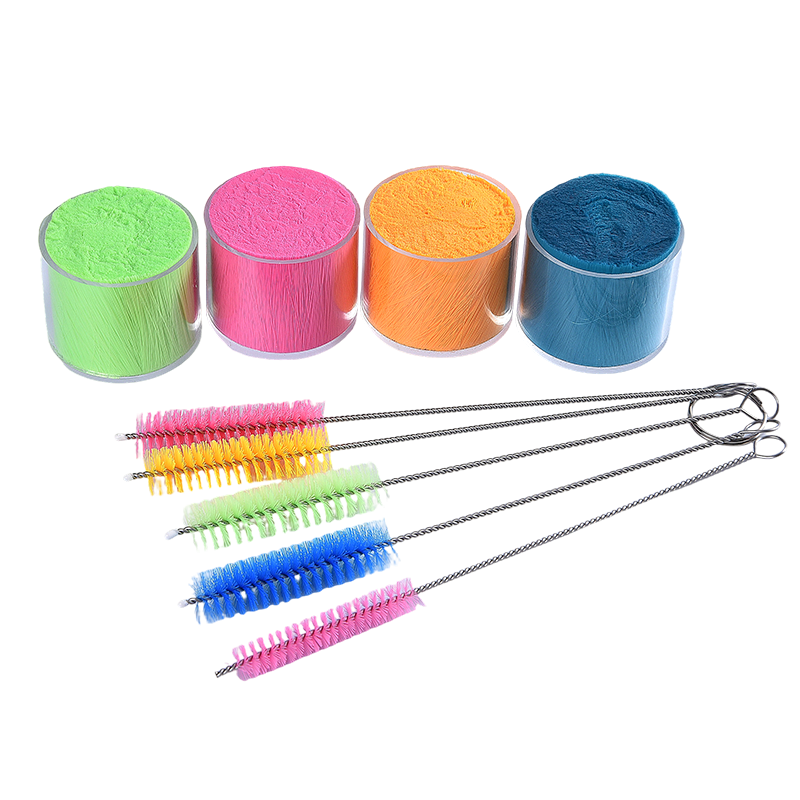
- Internal brushes for cross holes, bores, and intersecting passages.
- Disc brushes for robotic or spindle edge blending where a wider contact path is useful.
The shape should reach the burr without forcing the filaments to bend around a fixture or a part feature. Reach and contact angle matter as much as abrasive grade.
Filament Selection: Abrasive Grade, Diameter, and Length
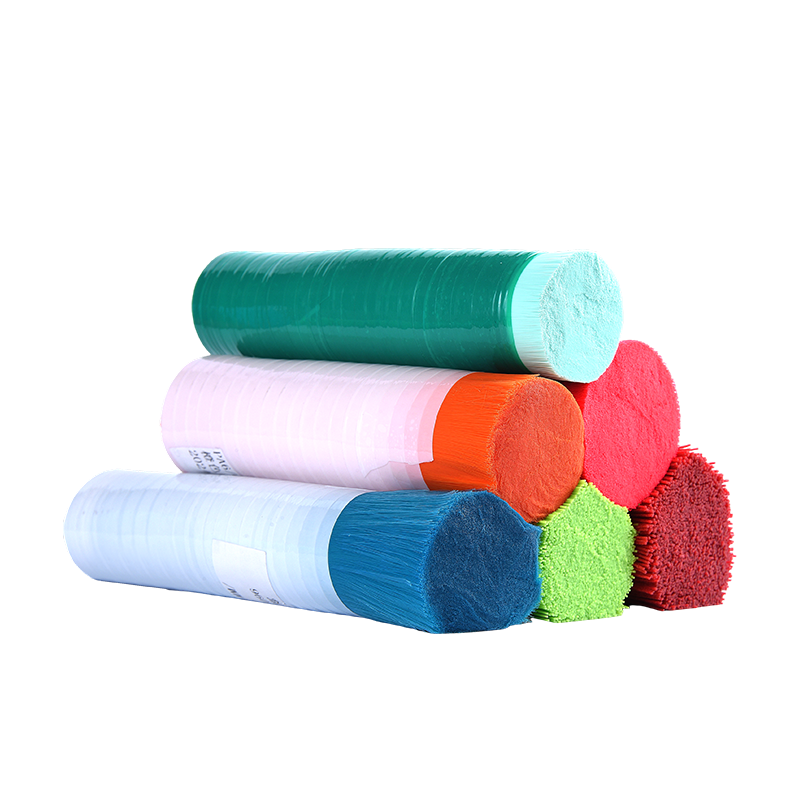
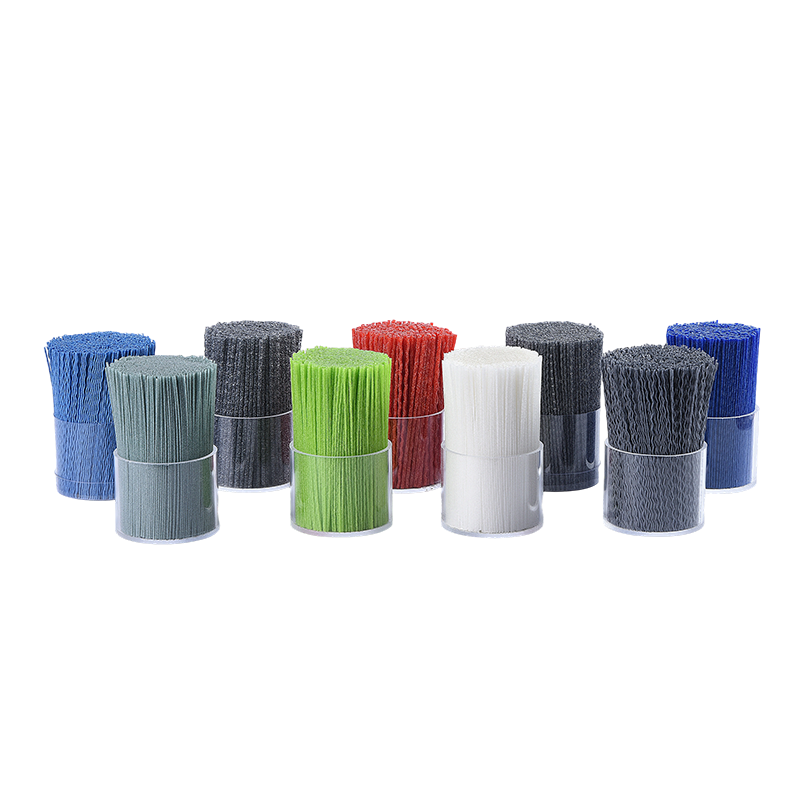
The filament is the working part of the brush. In an abrasive nylon filament, abrasive grains are distributed through the polymer. The polymer gives flexibility and the grain does the cutting. Silicon carbide is often chosen for a sharp, fast cut on harder edges, aluminum oxide is widely used for general deburring, and ceramic grain is selected when the application needs a longer cutting life under load. The exact choice should be proven on the part, because the same grain in a different filament diameter can behave like a different tool.
Filament diameter, abrasive loading, and trim length control stiffness. A larger diameter or shorter trim makes the brush more aggressive and less conformable. A smaller diameter or longer trim follows contours more easily but may not remove a stubborn burr. Fill density also matters. A dense brush can generate more heat and leave a heavier blend line, while a more open brush may need more passes.
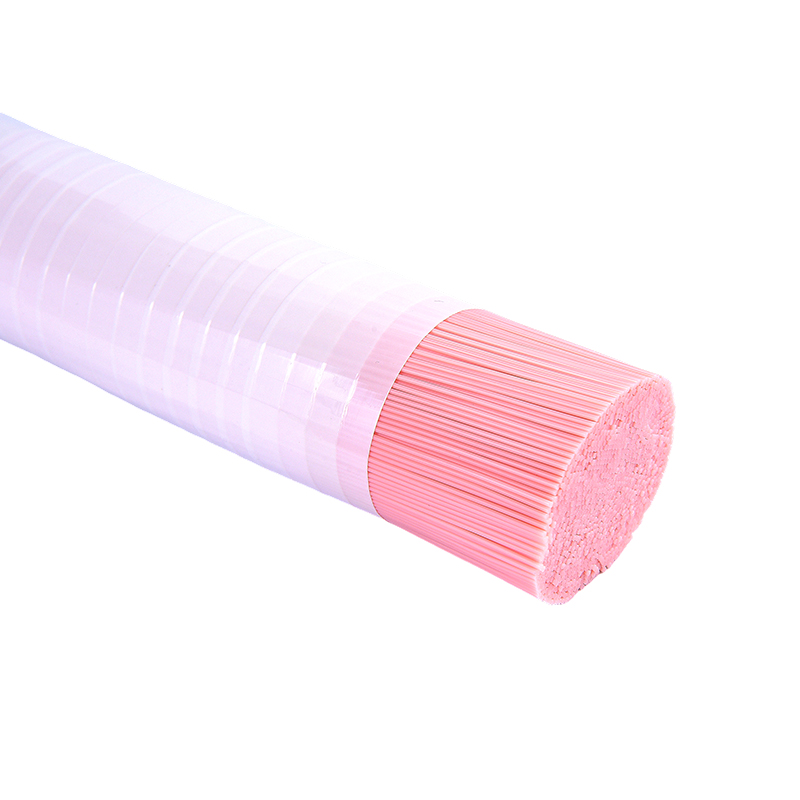 Abrasive Nylon Brush Filament for Deburring and FinishingComposite filament with abrasive particles in nylon grades, offered in varied diameters and grits for deburring, cleaning, and surface finishing.View Product →
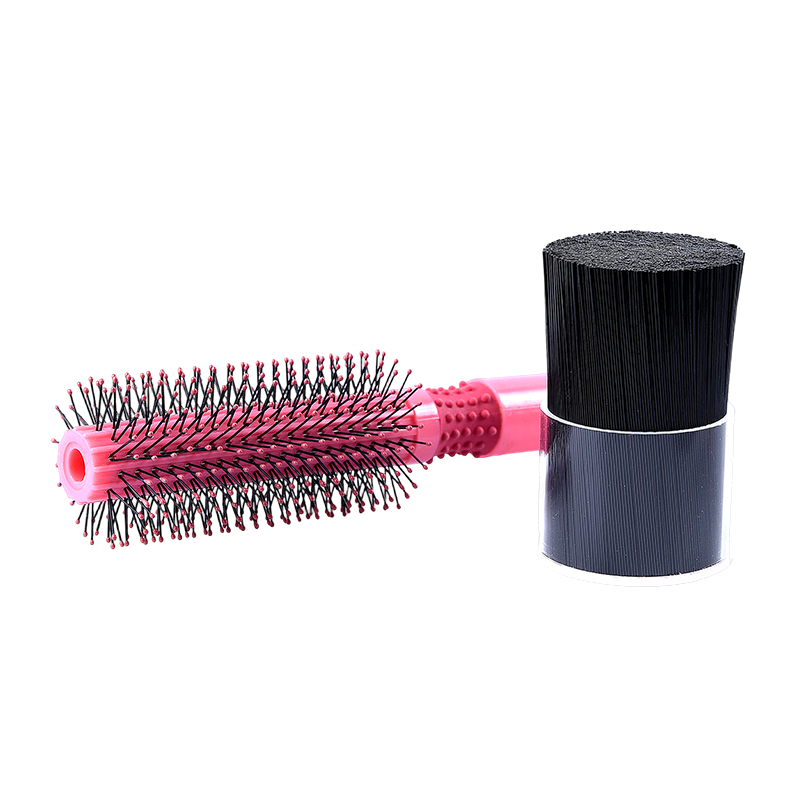
Non-abrasive nylon filaments still have a role in CNC cells. They can clean loose chips, wipe coolant residue, or lightly blend an edge after a very fine abrasive pass. PA6 offers good toughness and general mechanical performance. PA66 adds stiffness and heat resistance. PA610 and PA612 are often used where lower moisture absorption or better dimensional stability is useful, and PBT can suit applications that need consistent stiffness and chemical resistance. These are starting points, not a final specification. A filament supplier should confirm the grade against the cleaning chemical, coolant, and operating temperature.
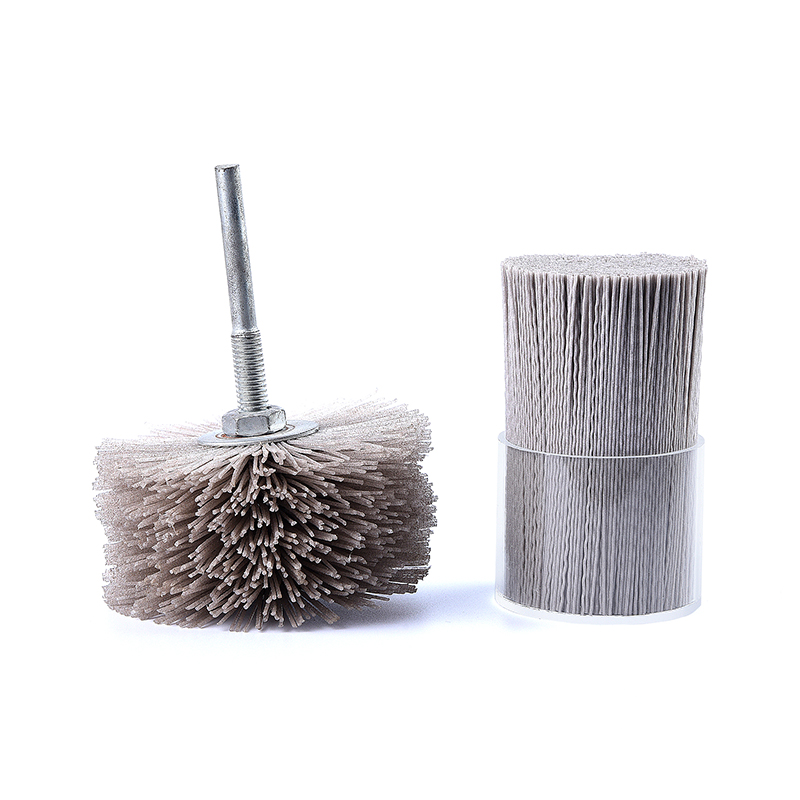 PA612 Nylon Brush Filament for Wet and Dimensional StabilityLow-water-absorption polyamide filament with good wet stiffness, dimensional stability, and chemical resistance for brushes in wet cleaning and finishing.View Product →
If a wet cell needs a filament that holds its shape and resists moisture pickup, PA612 or PBT may be a better starting point than a general-purpose nylon. That choice should be tested with the actual brush construction, because trim length and density can change the result more than the polymer name alone.
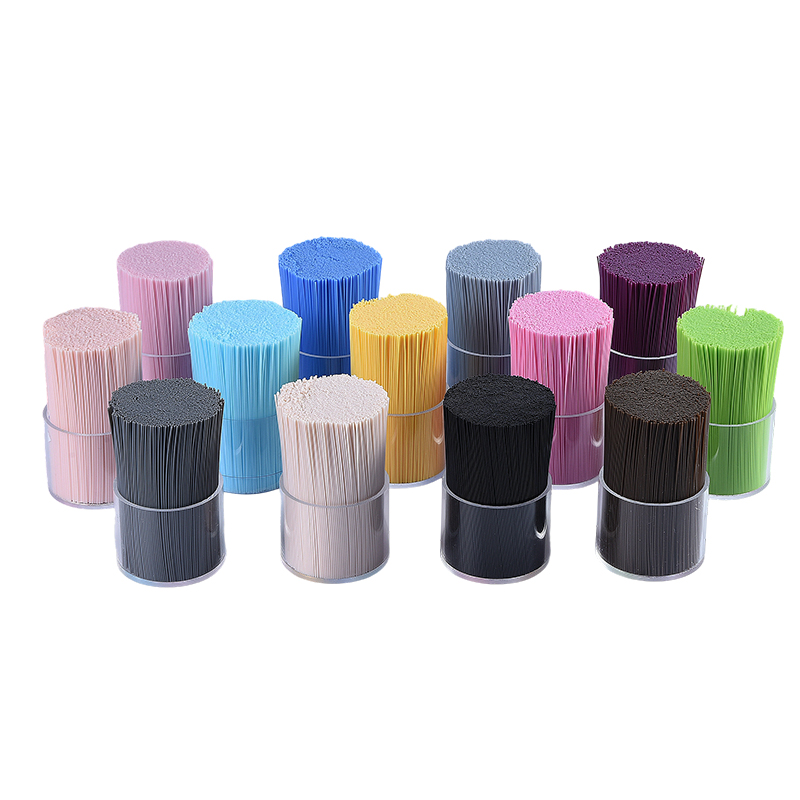 Nylon PBT Brush Filament for Heat-Resistant BristlesPBT engineering filament offering high heat resistance, strength, and rigidity for cleaning brushes, cup brushes, and bottle brushes.View Product →
For teams comparing abrasive specifications, this technical Q and A on abrasive filament covers common questions about grain, filament, and application fit.
Selection Factors for a CNC Deburring Brush Trial
| Selection factor | What to check | Why it matters |
|---|---|---|
| Burr size and root | Burr thickness, height, and attachment | A flexible brush may polish a light burr but cannot remove a heavy root without extra pressure. |
| Edge tolerance | Allowed edge break, radius, or chamfer | An aggressive brush can round a functional edge beyond the print. |
| Workpiece material | Hardness, galling risk, and heat sensitivity | Abrasive grain and pressure change the cut rate and the risk of smearing. |
| Brush shape | Wheel, cup, end, disc, or internal form | Reach and contact angle decide whether the filaments touch the burr evenly. |
| Filament | Diameter, abrasive loading, trim length, and fill density | Too stiff can cause chatter and overcut, while too soft can undercut and extend cycle time. |
| Machine and setup | RPM, feed, tool holder, coolant, and offset control | Brush deburring needs a repeatable depth and a wear plan, not just a speed setting. |
Set the CNC Process Around Contact, Not Just Speed
Brush deburring is often programmed with a low radial engagement and a controlled penetration depth. The goal is to keep the filament tips in contact with the edge for a short, repeatable time. A common mistake is to set a high spindle speed and a slow feed, which can dwell in one spot and overwork the edge. Another is to use a very light pass with a stiff brush, which may polish the burr instead of removing it.
- Start with a scrap part or an approved test area and a low penetration depth.
- Set the spindle speed within the brush and machine limit, then adjust feed to keep contact consistent.
- Check the edge after each small increase in depth or feed. Stop when the burr is gone and the edge remains inside the print.
- Record the tool offset, RPM, feed, depth, and number of passes in the setup sheet.
- Inspect the brush for filament wear, splay, and trapped chips before each run.
Use coolant or dust extraction when the material and shop rules require it. Abrasive nylon can produce fine dust, and some polymers can smear if the edge gets too hot. Keep the brush path normal to the edge where possible. If the tool is tilted, one side of the brush does most of the work, which shortens life and creates an uneven edge break.
Purchasing Checks That Prevent Surprises
A brush that performs well in a sample may fail in production if the filament batch is inconsistent. Ask for the filament diameter range, abrasive loading, trim length, and cut quality. For a CNC brush, balance matters because an unbalanced tool can chatter at speed. The brush should run true in the holder and should not shed filaments during a normal break-in run. If the part is for export, confirm that the filament and brush components meet the required RoHS or other restricted substance requirements. A supplier that can provide batch traceability, material data, and a clear change notification process is easier to qualify than one that only quotes a price per brush.
Do not accept a single test result as proof of a stable process. Run the test at the production speed and with the same holder, coolant, and part fixture. Then check the first parts, the middle of the run, and the last parts before brush replacement. The edge should remain within tolerance as the brush wears. If the process needs constant pressure changes to remove the burr, the brush or filament is probably not matched to the application.
A CNC deburring brush is not a shortcut that replaces every deburring decision. It is a controlled finishing tool. The best results come from a clear edge standard, a filament and brush shape that match the burr, and a program that keeps contact short and repeatable. When those three points are in place, brush deburring can reduce manual work, improve edge consistency, and make an existing CNC cycle more useful without risking the features that matter.