
 English
 русский
 Türk
TürkContent
- 1 What a Filament Dry Box Really Does
- 2 Why Moisture Matters in Nylon, PBT, and Abrasive Filament
- 3 Dry Box, Dryer, or Vacuum Bag
- 4 Specifications That Separate a Good Dry Box from a Bad One
- 5 Drying and Storage Settings by Material
- 6 Building a Dry Box: Practical Layout
- 7 Brush Filament and Industrial Dry Storage
- 8 Common Mistakes and Maintenance
- 9 Bottom Line
If you open a spool of nylon filament and hear a popping sound at the nozzle, or if a roll of brush filament feels softer and measures differently than it did last week, moisture is usually the reason. A filament dry box solves a simple problem. It keeps hygroscopic filament in a sealed, low humidity pocket until the moment it is used. The result is predictable extrusion, stable dimensions, and fewer rejects in both 3D printing and industrial brush production.
The common search spelling filiment dry box points to the same product as filament dry box. The conclusion comes first. For nylon, PBT, and abrasive filament, dry storage is part of the process, not an accessory. You can dry the material once, but without a dry box it will begin to reabsorb moisture from the air. The box must seal, the desiccant must be active, and a hygrometer must tell you what is really happening inside.
What a Filament Dry Box Really Does
A dry box is a controlled microclimate. It is not just an airtight container. A working setup has four functions. It blocks humid room air, holds active desiccant, shows the internal relative humidity, and supports the spool so filament can feed without being exposed.
- Seal. A gasket and strong latches slow air exchange. The tighter the seal, the longer desiccant lasts.
- Desiccant. Silica gel or clay absorbs water vapor. It must be dry and have enough capacity for the box volume.
- Hygrometer. A meter turns guesswork into a number. Without it, you cannot know when desiccant needs recharging.
- Spool handling. Rollers, bearings, and a feed port reduce drag and let you print or process directly from the box.
There is an important distinction between drying and storage. A heated dryer raises temperature to remove moisture. A dry box holds the material after drying. If filament is already wet, putting it in a passive dry box with desiccant will not restore it in a reasonable time. Dry first, store second.
For a busy shop, the best system is two stage. Use a heated dryer for incoming or suspect material, then move it to a sealed dry box for daily production. This prevents a common cycle where material is dried overnight and then left on an open printer or shelf until the next job.
Why Moisture Matters in Nylon, PBT, and Abrasive Filament
Water changes polymers. In nylon, water molecules force their way between polymer chains and act like a plasticizer. The material becomes more flexible, dimensions swell, and strength changes. PA6 and PA66 absorb moisture quickly. PA610 and PA612 are often chosen when lower moisture uptake and better dimensional stability are needed. PBT absorbs less than nylon but still benefits from controlled storage, especially in humid climates.
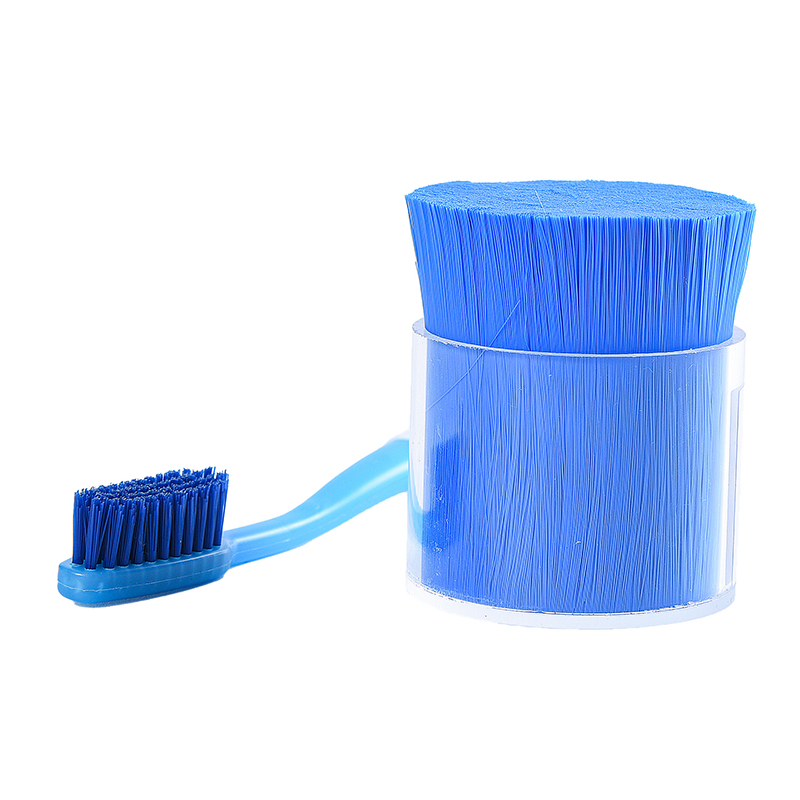 Nylon PA6 Brush FilamentNylon PA6, also known as polyamide 6 or nylon 6, is a thermoplastic polymer compound with a translucent or opaque milky white appearance. It has a moderate melting poi...View Product →
PA6 brush filament can produce tough, wear resistant brushes, but it also regains moisture fast. If it is stored open, tufting tension and trim accuracy can drift from batch to batch.
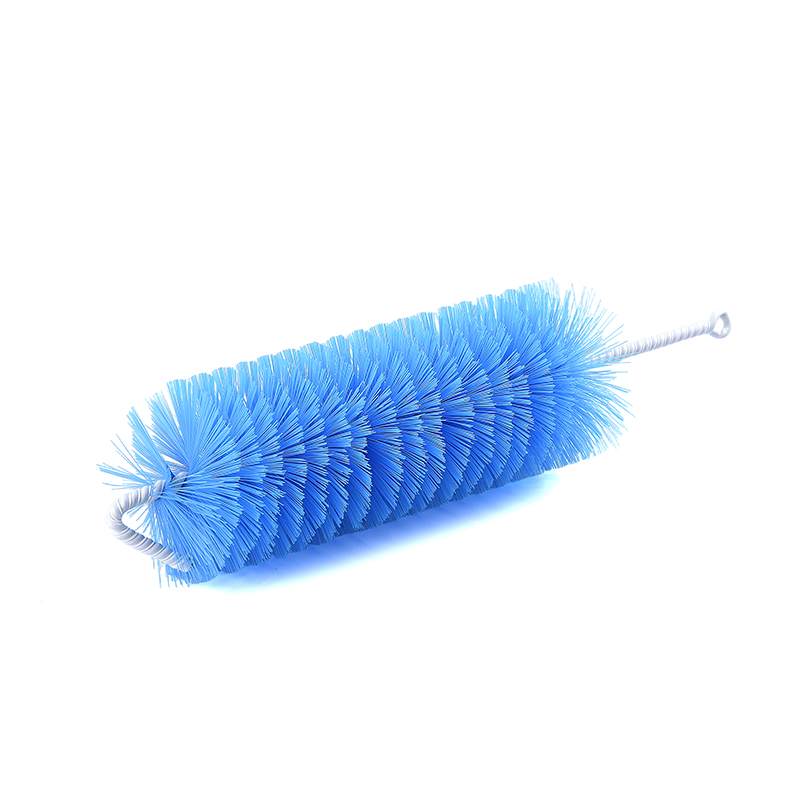 Nylon PA610 Brush FilamentNylon PA610 is a high-performance nylon material that is widely used in many fields due to its unique physical and chemical properties. Nylon PA610 has a series of per...View Product →
PA610 offers a different balance. It is often selected for projects that need good chemical resistance and lower moisture sensitivity than PA6, while still providing dependable flex and fatigue life.
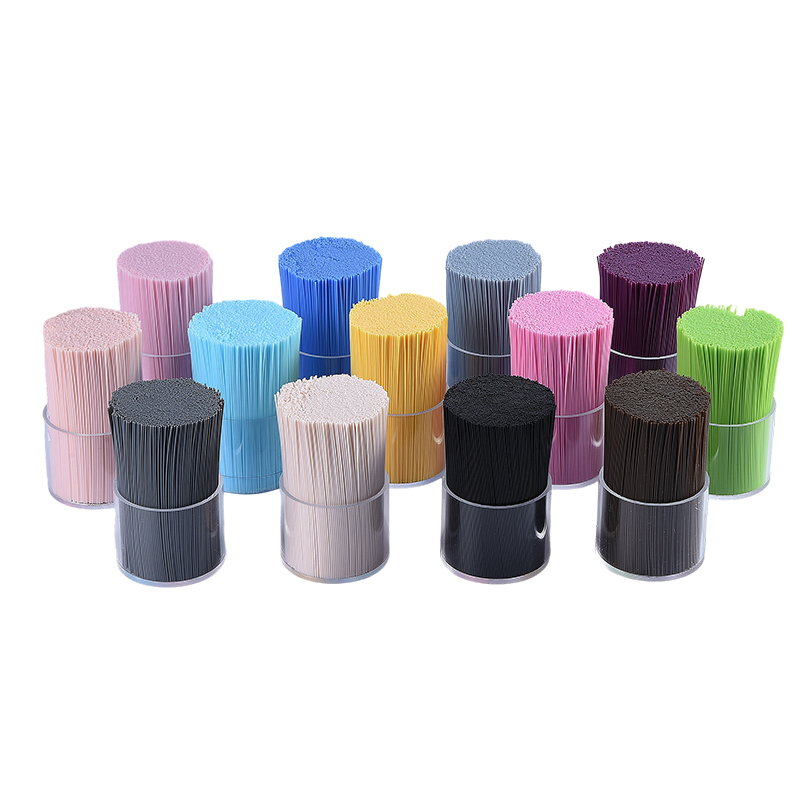 Nylon PBT Brush FilamentNylon PBT, full name polybutylene terephthalate, is a thermoplastic engineering plastic that combines the advantages of nylon (PA) and PBT (polybutylene terephthalate)...View Product →
PBT filament is another option for dimensional stability and heat resistance. It may not absorb water like nylon, but dry storage still protects surface quality and processing consistency.
Abrasive filament adds another variable. The abrasive particles are bonded in a polymer matrix. Moisture can affect how that matrix handles stress, so the storage conditions used for the base polymer should also be used for the finished abrasive filament.
Dry Box, Dryer, or Vacuum Bag
Buyers often mix up the tools. They serve different jobs. A dry box is mainly for storage and direct feeding. A dryer is for active moisture removal. A vacuum bag is for transport or short term protection. Using the wrong one leads to wet material, wasted energy, or inconsistent results.
| Method | Best Use | Typical Result | Limits |
|---|---|---|---|
| Sealed dry box with desiccant | Daily storage and direct feeding | 10 to 20 percent RH when maintained | Does not dry wet filament quickly |
| Heated dryer | Removing moisture before use | 40 to 80 C depending on material | Needs time and temperature control |
| Vacuum bag | Transport and short term storage | Low RH while sealed | No continuous feed |
| Oven or bulk dryer | Large batches of resin or filament | Removes moisture with heat and airflow | Risk of overheating and uneven drying |
The practical rule is simple. Use the dryer to correct moisture, and use the dry box to prevent it from returning. If you only need to protect material for a few days, a vacuum bag may be enough. If you open the material every day, a dry box is the better long term choice.
Specifications That Separate a Good Dry Box from a Bad One
Many boxes look similar in photos. The differences appear in the details. Check these points before you buy or build.
- Gasket material. Silicone or rubber gaskets seal better than thin foam and tolerate repeated opening.
- Latch pressure. Weak latches allow air exchange. Test the lid with a sheet of paper. If the paper pulls out easily, the seal is not tight.
- Hygrometer accuracy. A meter with plus or minus 5 percent RH accuracy is more useful than a decorative dial.
- Desiccant capacity. More desiccant means longer service life. Rechargeable silica gel is practical for daily use.
- Spool rollers. Smooth rollers reduce tension. Bearings help when the spool is heavy.
- Feed port. A PTFE tube port keeps the filament path closed during printing or processing.
- Capacity. A box that holds one spool is fine for testing. Production often needs two to four spools.
If you process filament every day, choose a sealed box with an external hygrometer and enough desiccant for at least two spools. For occasional use, a gasket sealed food container can work, but test it with a hygrometer before trusting it.
Drying and Storage Settings by Material
Material grade changes the required care level. Nylon is the most demanding common filament. PBT and PA610 or PA612 are more stable, but they still have limits. Always confirm with the supplier because additives and abrasive loading can change safe drying temperatures.
| Material | Moisture Risk | Drying Temp | Drying Time | Storage Target |
|---|---|---|---|---|
| PA6 and PA66 | High | 70 to 80 C | 4 to 12 hours | Below 15 percent RH |
| PA610 and PA612 | Moderate | 70 to 80 C | 4 to 8 hours | Below 20 percent RH |
| PBT | Moderate | 70 to 80 C | 4 to 8 hours | Below 20 percent RH |
| PLA | Low | 40 to 50 C | 2 to 4 hours | Below 20 percent RH |
| PETG | Moderate | 60 to 65 C | 4 to 6 hours | Below 20 percent RH |
| Abrasive filament | Varies by polymer and loading | Follow supplier data | Follow supplier data | Below 20 percent RH |
Do not treat this table as a universal recipe. Thin filament can dry faster than thick filament. A full spool takes longer than a small sample. Over drying can also cause problems, especially with some nylon grades, so use the lowest effective temperature and monitor results.
Building a Dry Box: Practical Layout
A DIY dry box can work well if you copy the logic of commercial units. Start with a container that has a real gasket, not just a snap lid. Add a rechargeable desiccant basket, a small hygrometer, and smooth rollers for the spool. If the filament must feed while the lid is closed, install a PTFE tube pass through.
- Measure the spool diameter and width. The box must allow the spool to turn without rubbing.
- Place desiccant where air can move around it. Do not block the filament path.
- Mount the hygrometer where you can read it without opening the lid.
- Add rollers or bearings that match the spool center hole and weight.
- Seal any cable or tube openings with grommets or silicone.
- Test the empty box for 24 hours. If RH does not drop, find the leak.
Do not assume that a box is sealed because it feels tight. A cheap hygrometer and a small bag of desiccant will show you the truth. If the RH stays above 30 percent, add more desiccant, improve the gasket, or replace the container.
Brush Filament and Industrial Dry Storage
The term filament dry box comes from 3D printing, but the principle applies to industrial brush filament. Brush makers handle PA6, PA66, PA610, PA612, PBT, and abrasive filament. These materials may sit in storage for weeks before tufting or trimming. If humidity rises, the same issues appear. Variable stiffness, dimensional drift, and inconsistent abrasive action.
For custom brush filament, storage should be matched to material type. A lower moisture grade still needs protection. A high moisture grade needs more attention. If you are comparing grades, this guide to nylon and PBT brush filament selection can help frame the decision. You can also review the supply options from a custom brush filament supplier for PA6, PA610, PA612, PA66, PBT, and abrasive filament.
For B2B buyers, ask the supplier for storage recommendations, drying limits, and packaging details. A dry box is only one part of incoming material control. It should work with sealed packaging, batch records, and a first in first out rotation.
Common Mistakes and Maintenance
Most dry box failures come from small habits, not from the box itself. Avoid these common problems.
- Using a dry box as a dryer. It will not remove deep moisture from wet nylon in a few hours.
- Never recharging desiccant. Saturated desiccant can release moisture back into the box.
- Trusting a cheap hygrometer. Check it against a known reference or replace it when readings look wrong.
- Opening the box many times a day. Each opening lets humid air inside.
- Over drying. Some nylon grades can become brittle when dried too long or too hot.
- Mixing wet and dry spools. One wet spool can raise the RH for the whole box.
Recharge desiccant every two to four weeks in humid conditions, or when the indicator changes. Log the hygrometer reading before each production run. If the number is rising, service the box before the material is affected.
Bottom Line
A filament dry box is a small investment that protects a larger one. It keeps nylon, PBT, and abrasive filament within a stable moisture range, which supports consistent extrusion, tufting, trimming, and abrasive performance. The best setup is not the most complex one. It is a sealed box, active desiccant, a reliable hygrometer, and a routine that treats drying and storage as separate steps.
If you process brush filament, start by identifying the polymer and its moisture risk. Then set a storage target, verify it with a meter, and keep the material sealed until use. That approach solves the practical problem behind the search for a filament dry box.