
 English
 русский
 Türk
Content
- 1 What Honing Actually Changes in a Cylinder Bore
- 2 Why Bore Finish Decides Seal Life
- 3 Stone Honing and Abrasive Filament Honing Do Different Jobs
- 4 Selecting Abrasive Filament for Bore Work
- 5 A Practical Honing Sequence
- 6 Mistakes That Show Up Later as Leaks
- 7 Getting the Filament Specified Before the First Pass
Two hundred hours after a reseal, the cylinder is weeping again. In most of these cases the bore was cleaned, not honed. The old seal was replaced, the piston went back in, and the glaze left behind by the previous seal was still sitting on the bore wall, polished smooth and slightly work hardened. A new lip seal cannot bed into that surface. Honing is the step that changes it.
The short answer: hone a hydraulic cylinder whenever the bore is deglazed, when a new seal is being fitted, when light scoring or corrosion marks must be blended out, or when the surface finish has drifted outside the cylinder maker's specification. Use rigid stones when the bore geometry also needs correcting, and abrasive filament tools when the job is deglazing, cleaning and light finishing inside a bore that is already round.
What Honing Actually Changes in a Cylinder Bore
Honing is a low-pressure abrasive machining process. A bonded stone set or an abrasive-filled filament brush rotates and oscillates inside the bore, cutting a controlled pattern of fine scratches rather than tearing the metal the way a coarse grinding wheel would. Three things change as a result.
First, the glaze layer goes. Seal travel burnishes the bore over time, closing the machined texture and trapping debris in the pores. Honing cuts back to clean, open metal so a replacement seal can transfer a film of oil instead of skating on a polished surface.
Second, the cross-hatch returns. The included angle between the two scratch directions, typically somewhere between 45 and 60 degrees, acts as an oil reservoir along the stroke. Too shallow an angle and the oil migrates around the bore instead of along it; too steep and the pattern drains poorly at the stroke ends.
Third, small geometric errors can be reduced. A rigid hone with sufficient stone contact can correct light taper, barrel shape or out-of-roundness. A flexible abrasive filament tool mostly follows the existing bore, so it cleans and finishes rather than re-sizing. Knowing which of the two you need is the difference between a repair that lasts and one that comes back.
Why Bore Finish Decides Seal Life
Seal suppliers specify a finish window, not a single number, and both ends of that window matter. A bore that is too rough acts like a file and abrades the seal lip on every stroke. A bore that is too smooth cannot hold an oil film, so the seal runs dry, heats up and hardens. The target is a plateau finish: fine, uniform scratches that retain lubricant without presenting sharp peaks to the seal.
| Parameter | Typical reference | What it controls |
|---|---|---|
| Surface roughness Ra | 0.2 to 0.4 micrometre for many industrial cylinders | Oil film retention versus seal lip abrasion |
| Cross-hatch angle | 45 to 60 degrees included | Oil distribution along the stroke |
| Roundness and taper | Within the drawing tolerance, often a few micrometres | Leakage past the seal and piston drift |
| Glaze removal | Uniform matte grey, no shiny patches | Whether a new seal can bed in |
| Residual abrasive | None visible on a white cloth wipe | Seal damage and barrel scoring after assembly |
Record the readings before and after. A bore gauge and a surface comparator cost far less than a second strip-down, and without numbers the next failure cannot be diagnosed.
Stone Honing and Abrasive Filament Honing Do Different Jobs
Both processes use abrasives and both improve the bore, but they are not interchangeable. Stone honing is a sizing and geometry operation with a finishing side effect. Abrasive filament honing, often called brush honing, is a surface conditioning operation with a cleaning side effect. Matching the tool to the fault saves time and avoids removing material that did not need to come off.
| Approach | Best suited to | Practical limits |
|---|---|---|
| Rigid stone honing | Correcting taper, ovality and light scoring; generating a specified cross-hatch on production bores | Needs a rigid setup and size-specific tooling; risk of over-cutting if stroke and pressure are not controlled |
| Abrasive filament honing | Deglazing, removing carbon and rust film, blending light marks, field repairs and cleaning before assembly | Very little material removal; will not correct a tapered or oval bore on its own |
In repair shops the two are often used in sequence. The stone brings the geometry back, and a finer abrasive filament tool follows to even out the surface and clear the bore of loose abrasive before the seal goes in.
Selecting Abrasive Filament for Bore Work
Three variables decide how an abrasive filament tool behaves: grit, filament diameter and the abrasive mineral carried in the polymer.
Grit sets the cut. Coarse grades in the 60 to 120 range remove glaze, carbon and light burrs quickly. Medium grades around 180 to 240 sit in the middle for general deglazing before a reseal. Fine grades from 320 upward produce the plateau finish that seal lips prefer, and they are the right choice for a final pass. Skipping straight to a fine grade on a glazed bore usually polishes the glaze instead of removing it.
Filament diameter sets the pressure. A thicker filament is stiffer, presses harder against the bore wall and cuts faster, while a thinner filament conforms to small bores and internal features without loading up. As a working rule, small bore diameters need smaller filament diameters and lower rotational speed, otherwise the tips of the filaments do a disproportionate share of the cutting and leave a streaky pattern.
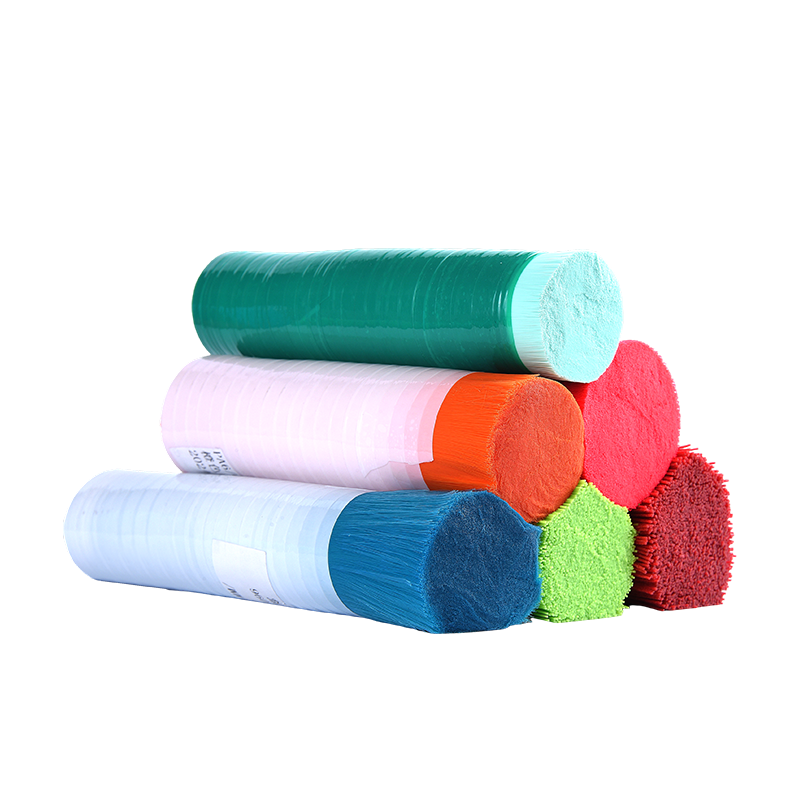
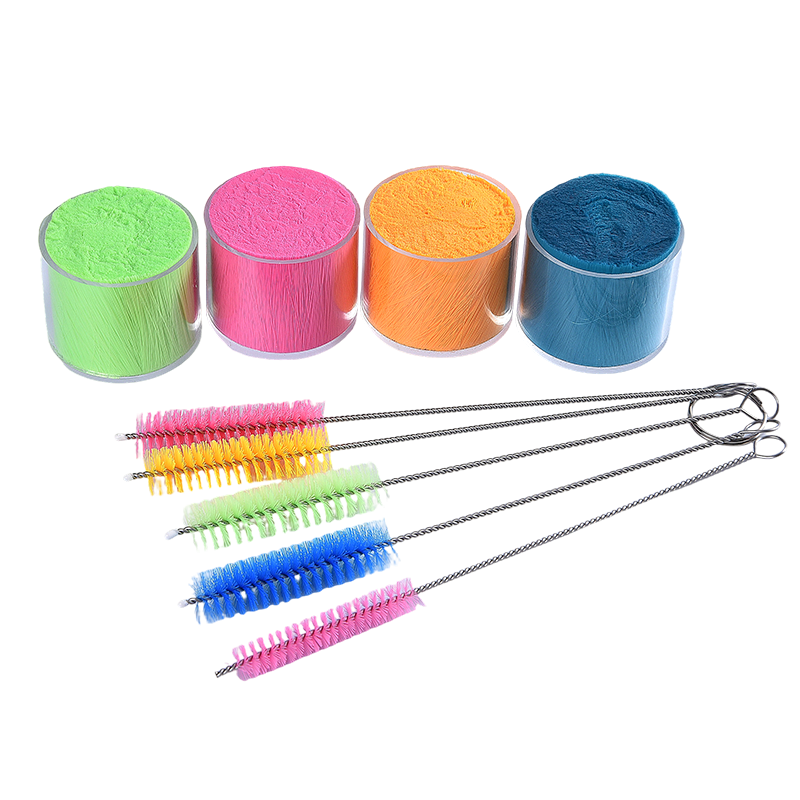
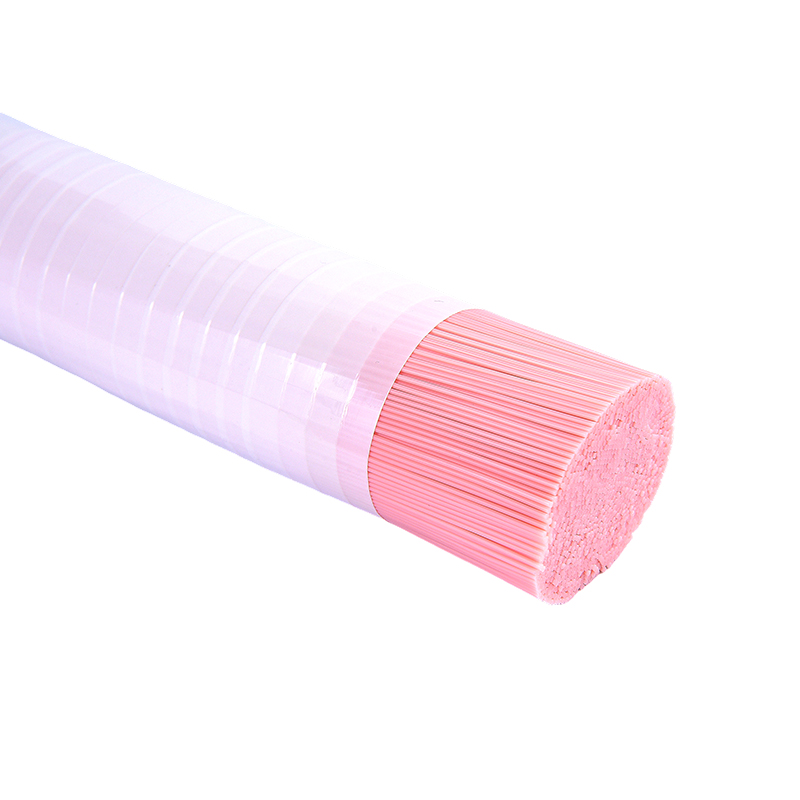 Abrasive Nylon Brush Filament for DeburringComposite nylon filament with embedded abrasive particles, offered in multiple grades, grit sizes and diameters for deburring, edge finishing and surface preparation.View Product →
The base polymer also matters. Nylon carries abrasive grit well because it flexes instead of shattering, and the grade chosen affects stiffness, heat resistance and how the filament behaves when it is run wet. A stiffer grade holds its shape in larger diameters; a more flexible grade tracks tighter radii without scoring.
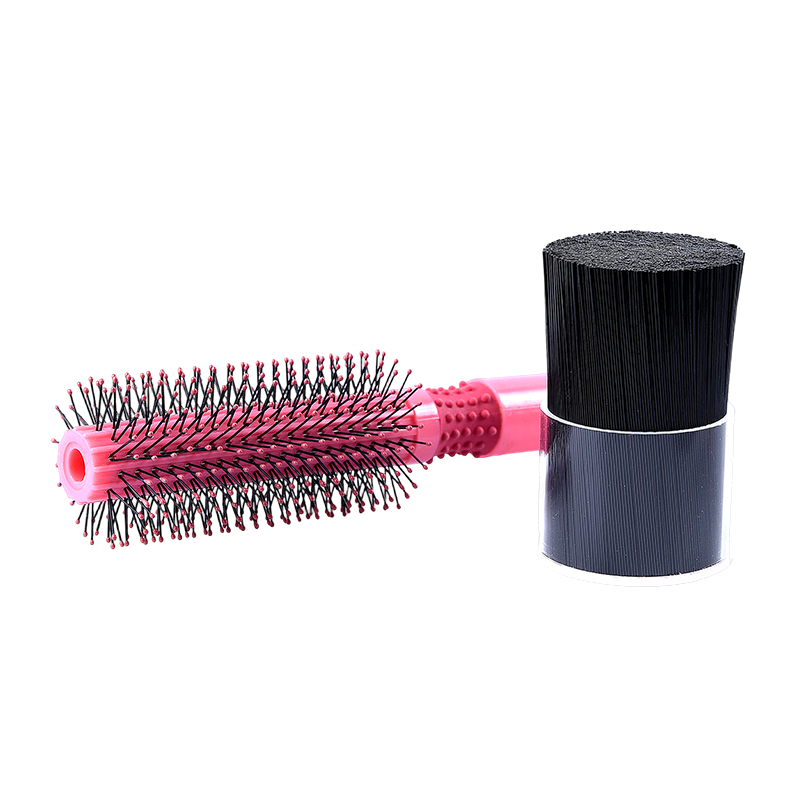
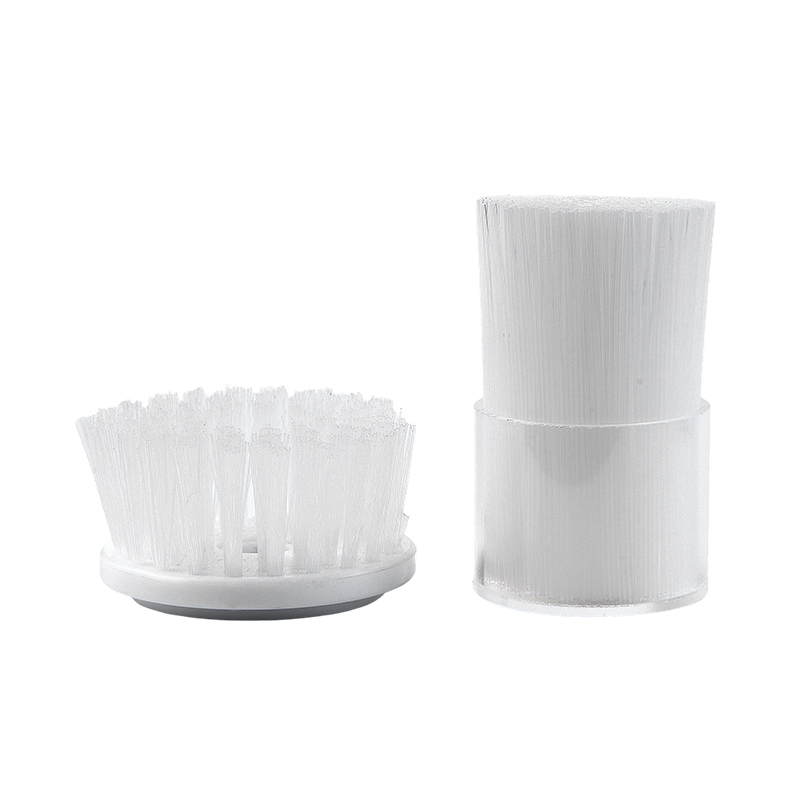 Nylon PA66 Brush Filament for Cleaning and DeburringPA66 brush filament in 0.1–1.2 mm diameters, with customizable shapes and colors for cleaning, deburring, polishing and industrial brush applications.View Product →
Run the tool wet. Honing oil or a water-based coolant flushes swarf out of the cut and keeps the abrasive cool, and a slow, steady oscillation across the full stroke length produces a far more even pattern than fast passes in the middle of the bore.
A Practical Honing Sequence
- Measure the bore first: diameter at three depths, roundness and taper. Decide whether geometry correction is needed before choosing the tool.
- Clean the bore of oil, carbon and loose rust so the abrasive cuts metal rather than debris.
- Hone with the coarsest grade required by the fault, keeping the tool moving across the full stroke length at a moderate speed.
- Check the pattern every few passes. Glaze should disappear evenly, with no shiny bands left at the stroke ends.
- Finish with a finer grade to reach the specified Ra and cross-hatch angle.
- Clean thoroughly with solvent and lint-free cloths until a white wipe shows no grey residue, then oil the bore immediately.
- Re-measure and record diameter, roundness and finish before fitting the seal kit.
Mistakes That Show Up Later as Leaks
- Deglazing with emery cloth on a drill. It follows the existing shape, leaves a directional scratch pattern and rounds bore edges.
- Over-honing a good bore. Extra passes widen the bore and increase clearance, which shows up as piston drift rather than a visible leak.
- Stopping at the middle of the stroke. The ends of the bore stay glazed, and that is exactly where rod seals and wipers work hardest.
- Leaving abrasive residue behind. Trapped grit scores the bore and the barrel on the first few cycles.
- Chasing a mirror finish. A bore polished below the specified roughness range starves the seal of lubricant and shortens its life.
Getting the Filament Specified Before the First Pass
Bore honing is a specification exercise as much as a machining one. The cylinder drawing gives the finish window, the fault tells you which grade to start with, and the abrasive filament specification decides whether the cut is even across the full stroke. Getting those three aligned before the tool goes in is cheaper than a second reseal.
Ningbo Keying New Material Technology produces abrasive filament and nylon brush filament grades for industrial brush makers, including custom diameters and grit loadings developed from customer drawings or samples. If the bore finish is drifting outside specification, the filament grade is usually the first place to look. More detail on grit selection and typical applications is covered in this guide to abrasive filament questions, and the full material range is listed on the brush filament product pages.