
 English
 русский
 Türk
TürkContent
- 1 Understanding the Core Differences Between Nylon and PBT
- 2 Matching Filament Diameter to Application Needs
- 3 Evaluating Chemical and Moisture Resistance Requirements
- 4 Balancing Stiffness and Flexibility for the Intended Use
- 5 Considering Filament Tip Design and Finishing
- 6 Assessing Color and UV Stability Requirements
- 7 Reviewing Manufacturer Specifications and Testing Data
- 8 Who Should Prioritize Which Selection Factors
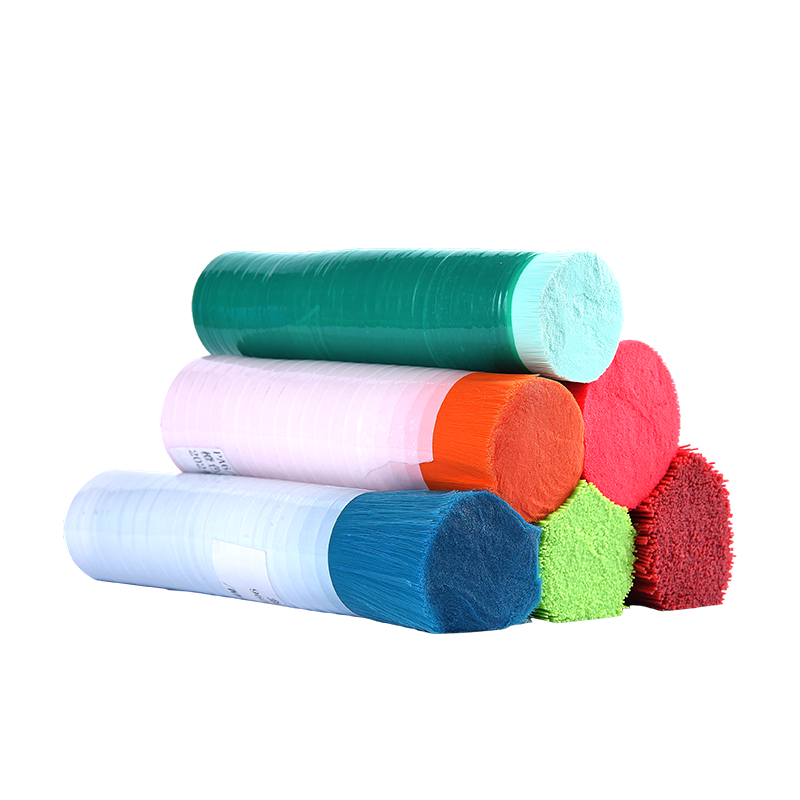
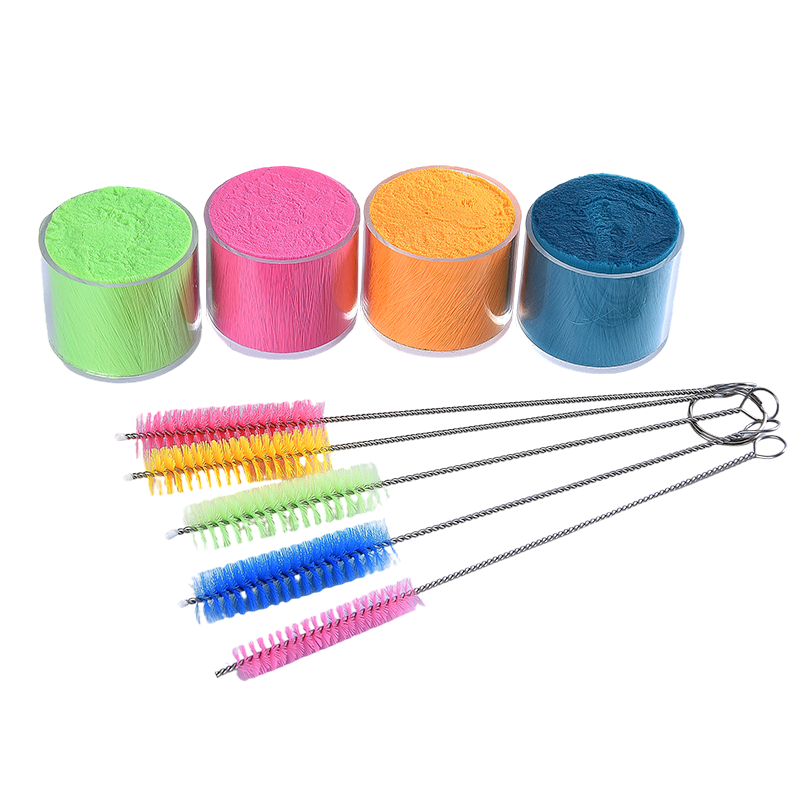
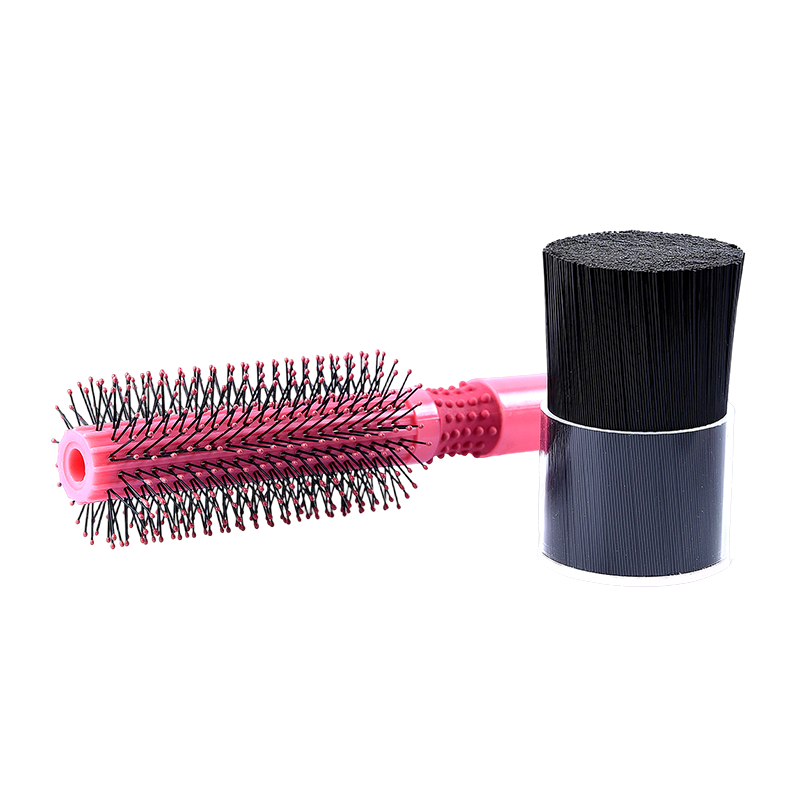
Choosing the right nylon PBT brush filament comes down to matching the filament's stiffness, diameter, and chemical resistance properties to the specific brushing application, whether that involves industrial cleaning, cosmetic applicators, or household brush manufacturing. Nylon and PBT each offer distinct performance characteristics, and blending or selecting between them depends on factors like moisture exposure, required stiffness retention, and the surface being brushed against. Material testing commonly referenced in brush manufacturing shows that PBT filament retains its shape and stiffness in wet conditions significantly better than standard nylon, making this distinction one of the most important factors when selecting filament for moisture-heavy applications like dishwashing or industrial washdown brushes.
Understanding the Core Differences Between Nylon and PBT
Before selecting a specific filament, it helps to understand the fundamental performance differences between nylon and PBT, since these two materials behave differently under moisture, temperature, and mechanical stress.
Key Material Characteristics
- Nylon offers excellent flexibility and abrasion resistance, making it well suited for general-purpose brushing tasks
- PBT maintains stiffness and shape retention better than nylon when repeatedly exposed to water or humidity
- Blended nylon PBT filaments combine properties from both materials to balance flexibility with wet-condition performance
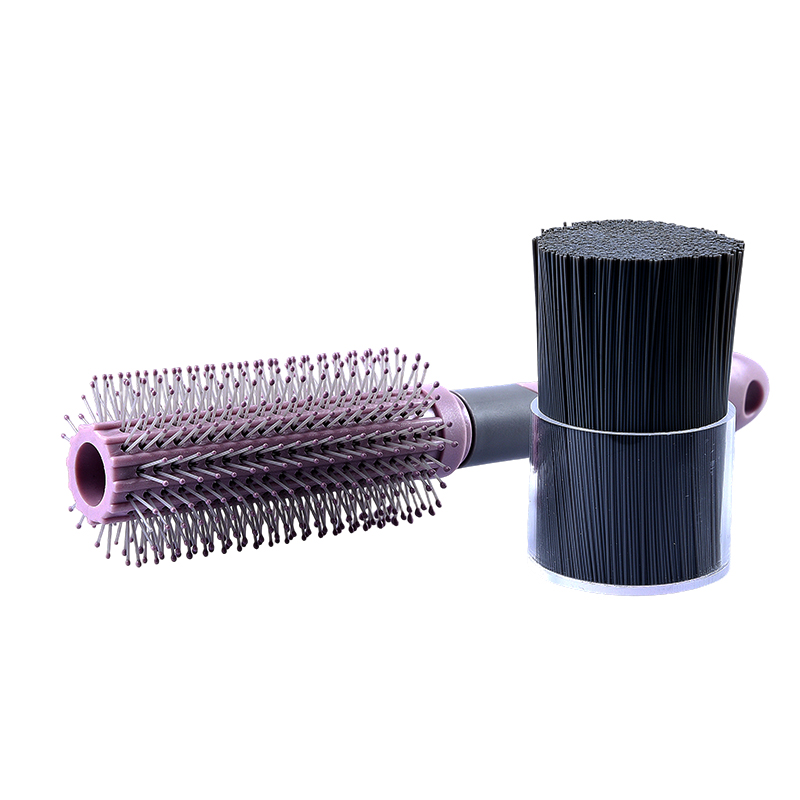
A properly specified Nylon PBT Brush Filament takes advantage of this blended approach, offering manufacturers a middle-ground option when neither pure nylon nor pure PBT fully meets the performance requirements of a specific brush application.
Matching Filament Diameter to Application Needs
Filament diameter directly affects brush stiffness, cleaning aggressiveness, and how the bristles feel or perform against the target surface, making this one of the first specifications to determine during selection.
Diameter Selection Guidelines
| Diameter Range | Typical Application |
| 0.10mm to 0.15mm | Cosmetic and personal care brushes requiring softness |
| 0.20mm to 0.30mm | Household cleaning brushes needing moderate stiffness |
| 0.35mm and above | Industrial brushes requiring high stiffness and abrasion resistance |
Selecting a diameter too thin for a demanding industrial application often leads to premature bristle bending or breakage, while an overly thick filament in a delicate application can feel harsh or cause unwanted surface abrasion.
Evaluating Chemical and Moisture Resistance Requirements
Brushes used in wet or chemically exposed environments require filament that maintains its structural integrity and performance characteristics over repeated exposure cycles, making resistance properties a critical selection factor.
Assessing Exposure Conditions
- Determine whether the brush will be regularly submerged in water or exposed to high humidity
- Identify any cleaning chemicals or solvents the filament will need to withstand during regular use
- Consider temperature extremes the brush may encounter, since heat can affect filament flexibility over time
PBT-heavy blends generally perform better in consistently wet environments, such as dishwashing brushes or bottle cleaning brushes, since the material resists the softening and shape loss that pure nylon can experience under prolonged water exposure.
Balancing Stiffness and Flexibility for the Intended Use
Stiffness directly affects how a brush performs against different surfaces, and choosing the wrong balance can result in either ineffective cleaning or unwanted surface damage during use.
Stiffness Considerations by Use Case
Delicate Surface Applications
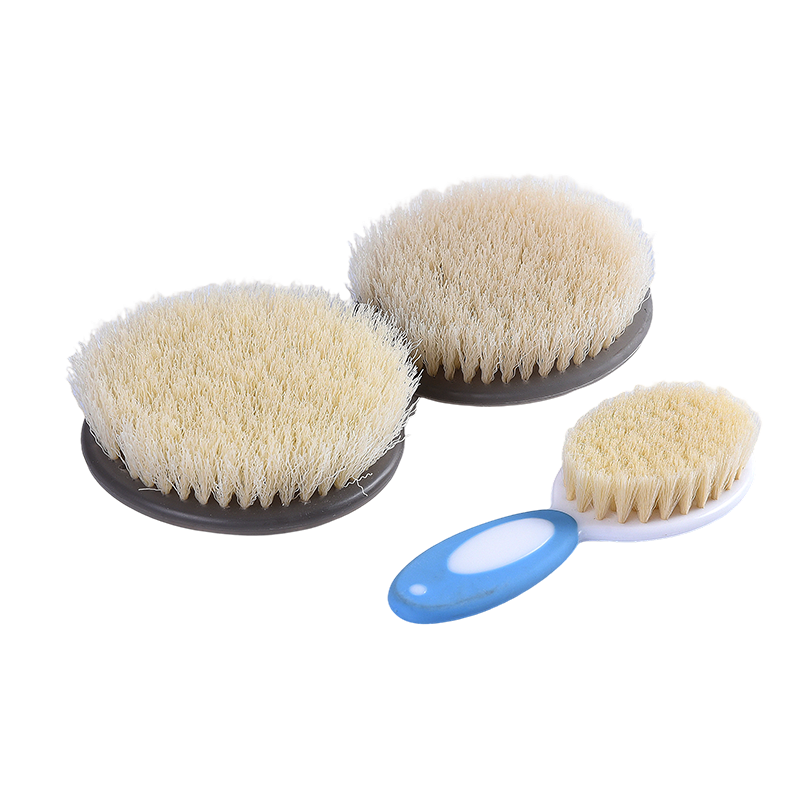
Cosmetic brushes, soft-bristle cleaning tools, and applications involving sensitive surfaces generally benefit from filament with higher flexibility and lower stiffness, allowing gentle contact without scratching or excessive abrasion.
Heavy-Duty Cleaning Applications
Industrial scrub brushes, deck brushes, and applications requiring aggressive debris removal typically require stiffer filament formulations to maintain shape and cleaning effectiveness under sustained mechanical pressure during use.
Considering Filament Tip Design and Finishing
Beyond the core material properties, how the filament tip is manufactured also affects both performance and user comfort, particularly in applications involving direct skin contact.
Common Tip Finishing Options
- Rounded or tapered tips reduce scratching risk on sensitive surfaces or skin contact applications
- Flagged or split tips increase surface area contact, useful for cosmetic and paint application brushes
- Standard cut tips are common in industrial applications where raw cleaning performance matters more than tip refinement
Selecting the appropriate tip finish alongside the core filament material ensures the finished Nylon PBT Brush Filament product performs as intended for its specific end-use application, rather than focusing on base material selection alone.
Assessing Color and UV Stability Requirements
For brushes used outdoors or in retail packaging where color consistency matters, filament color stability under UV exposure becomes an additional selection consideration beyond core mechanical performance.
UV Resistance Factors
Filament formulations with UV stabilizing additives help maintain consistent color and prevent premature material degradation in outdoor brush applications, such as vehicle washing brushes or exterior cleaning tools regularly exposed to direct sunlight.
Color Consistency for Retail Products
Manufacturers producing brushes for retail sale often prioritize consistent filament coloring across production batches, since visible color variation between units can affect perceived product quality even when functional performance remains unaffected.
Reviewing Manufacturer Specifications and Testing Data
Before finalizing a filament selection, reviewing detailed manufacturer specifications and available testing data helps confirm the material will perform as expected under the intended application conditions.
Important Specifications to Request
Buyers should request tensile strength data, moisture absorption rates, and recommended temperature operating ranges from filament suppliers, since these figures provide a more reliable basis for comparison than general material category descriptions alone.
Who Should Prioritize Which Selection Factors
Manufacturers producing cosmetic or personal care brushes should prioritize filament softness and tip finishing quality above raw stiffness, while industrial brush producers should focus primarily on diameter, stiffness retention, and chemical resistance for demanding cleaning environments. Buyers sourcing filament for wet-use applications, such as kitchen or bathroom cleaning brushes, benefit most from prioritizing PBT-heavy blends specifically for their superior wet-condition shape retention compared to standard nylon alternatives.