
 English
 русский
 Türk
TürkContent
- 1 Understanding the Relationship Between PA and PA610
- 2 Why Moisture Absorption Differs Between PA Types
- 3 Practical Performance Differences in Brush Applications
- 4 Why This Distinction Matters for Buyers and Manufacturers
- 5 Comparing Cost and Availability Considerations
- 6 Identifying Which Applications Benefit Most From PA610
- 7 Who Should Pay Close Attention to This Distinction
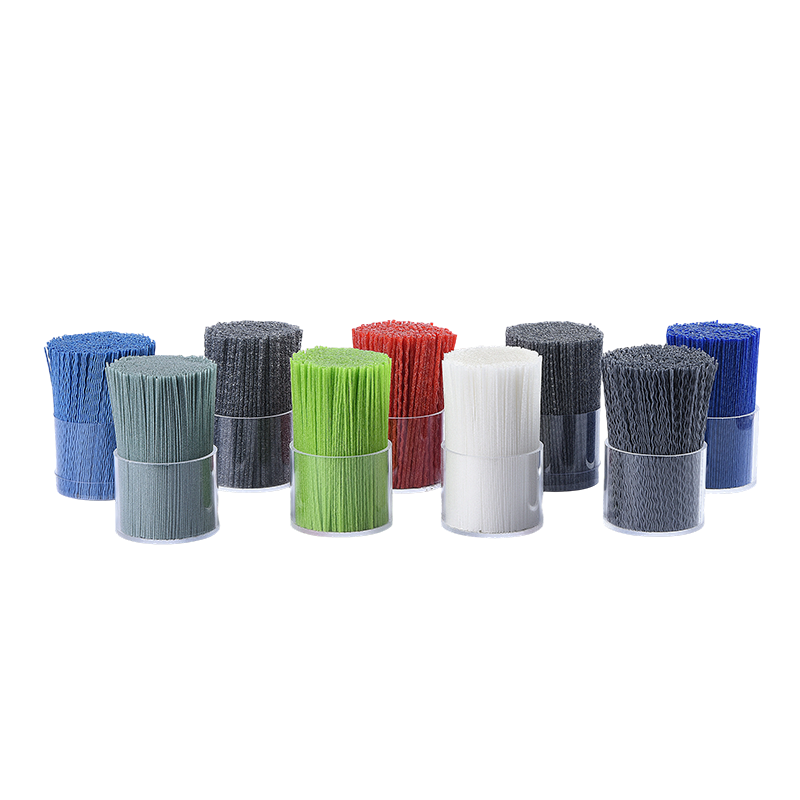
Nylon PA610 brush filament is a specific type of polyamide, meaning it belongs to the broader PA family but is not identical to the more commonly referenced PA6 or PA66 variants often simply labeled as PA in industry conversation. Polyamide, abbreviated PA, is the general chemical classification covering all nylon types, while PA610 refers to a specific polymer formulation made from sebacic acid and hexamethylenediamine, giving it distinct performance characteristics compared to other polyamide subtypes. Material property data commonly referenced in polymer engineering shows that PA610 absorbs significantly less moisture than PA6 or PA66, a difference that directly affects filament stiffness retention and dimensional stability in brush applications exposed to varying humidity conditions.
Understanding the Relationship Between PA and PA610
Polyamide is a broad chemical category, and PA610 is one of several specific formulations within that category, each distinguished by the particular monomers used during polymerization and the resulting molecular structure.
How PA Subtypes Differ
- PA6 is produced from a single monomer, caprolactam, resulting in a widely used general-purpose nylon
- PA66 is produced from two monomers, hexamethylenediamine and adipic acid, offering higher heat resistance than PA6
- PA610 uses hexamethylenediamine paired with sebacic acid, a monomer partially derived from castor oil, giving it a longer carbon chain structure
This longer carbon chain structure in Nylon PA610 Brush Filament is the key molecular difference that sets it apart from PA6 and PA66, directly influencing how the material behaves in terms of moisture absorption and flexibility once formed into brush bristles.
Why Moisture Absorption Differs Between PA Types
One of the most practically significant differences between PA610 and other common polyamide types is how each formulation responds to moisture exposure, which matters considerably for brush applications used in wet environments.
Moisture Absorption Comparison
| Polyamide Type | Relative Moisture Absorption |
| PA6 | Higher |
| PA66 | Moderate to higher |
| PA610 | Lower |
This lower moisture absorption is a direct result of the longer, more hydrophobic carbon chain structure in PA610's molecular composition, meaning brushes made from this filament type tend to retain their original stiffness and shape more consistently in humid or wet-use conditions.
Practical Performance Differences in Brush Applications
Understanding that PA610 is a distinct polyamide subtype rather than an interchangeable term for generic PA helps explain why filament selection matters significantly for specific brush performance requirements.
Stiffness Retention in Wet Conditions
Because PA610 absorbs less water, brushes manufactured from this filament type generally maintain more consistent stiffness when repeatedly exposed to moisture, compared to PA6-based bristles that can soften and lose shape retention more noticeably under similar wet-use conditions.
Dimensional Stability Over Repeated Use Cycles
Reduced moisture absorption also contributes to better dimensional stability, since PA610 filament experiences less swelling and subsequent shrinkage during dry-wet cycling than higher-absorption polyamide types, helping bristles hold their intended diameter and shape over extended use.
Why This Distinction Matters for Buyers and Manufacturers
When sourcing filament for brush production, understanding that PA and PA610 are not interchangeable terms helps buyers make more informed material selection decisions based on actual performance requirements rather than generic terminology.
Avoiding Common Terminology Confusion
- Requesting simply PA filament without specifying the subtype can result in receiving PA6, PA66, or PA610 depending on the supplier's default offering
- Different PA subtypes can perform noticeably differently in the same wet-use application, affecting final product quality
- Clear specification of PA610 versus other polyamide types in purchase orders helps ensure consistent material performance across production batches
Manufacturers producing brushes intended for consistent wet-condition performance, such as bottle brushes or industrial washdown tools, should specifically request PA610 rather than generic PA to ensure the moisture resistance characteristics needed for that application are actually delivered.
Comparing Cost and Availability Considerations
Beyond performance differences, PA610 and other polyamide types can also differ in raw material cost and general market availability, factors worth considering during the selection and sourcing process.
Cost Factors
Since PA610 relies partly on sebacic acid, a monomer derived from castor oil rather than purely petroleum-based sources, its raw material cost and supply chain can differ from PA6 or PA66, sometimes resulting in a modest price premium reflecting its specialized performance characteristics.
Availability in the Filament Market
While less universally available than standard PA6 filament, PA610 remains a well-established option among specialized brush filament manufacturers who supply industries specifically requiring its superior moisture resistance properties.
Identifying Which Applications Benefit Most From PA610
Given its specific moisture resistance advantages, certain brush applications benefit more noticeably from PA610 selection compared to standard PA alternatives.
Applications Well Suited to PA610
- Dishwashing and kitchen cleaning brushes subject to frequent, prolonged water exposure
- Industrial washdown brushes used in food processing or manufacturing cleaning applications
- Outdoor cleaning tools exposed to variable humidity and weather conditions over extended use periods
For these applications, choosing Nylon PA610 Brush Filament specifically, rather than assuming any generic PA filament will perform equivalently, helps ensure the finished brush product maintains its intended stiffness and shape throughout its expected service life.
Who Should Pay Close Attention to This Distinction
Brush manufacturers developing products for wet-use environments, procurement teams sourcing filament for industrial or commercial cleaning tools, and product designers specifying material requirements should all pay close attention to the distinction between generic PA and PA610 specifically. Buyers unfamiliar with polyamide subtypes should request detailed material specification sheets from filament suppliers rather than relying on generic PA labeling, ensuring the final brush product delivers the specific moisture resistance and stiffness retention performance the application actually requires.