
 English
 русский
 Türk
Content
A customer sends you a photogrammetry scan of a late 1990s coupe, or you buy a marketplace model of a classic sports car for a rendering job. Before the file goes into anything commercial, someone asks the obvious question: how long are cars copyrighted for 3D models? Two separate clocks are running. One covers the vehicle design as a creative work. The other covers the 3D file itself, which is an authored work with its own creator, its own creation date, and its own license.
In the United States, a car design created today as a corporate work stays protected for 95 years from publication or 120 years from creation, whichever ends first. A design authored by an individual lasts for the author's life plus 70 years. A model file made by a freelance 3D artist follows the same rules and starts its own term the moment it is saved in a fixed form. In daily commercial practice, though, the license attached to the file usually decides the outcome long before any of those dates become relevant.
The Short Answer in Terms You Will Actually See
Copyright duration depends on when a work was created, whether it was published, who authored it, and which country you are standing in. The table below covers the situations that come up most often when someone wants to reproduce a car or a car part as a 3D asset.
| Scenario | Typical US term | Practical effect |
|---|---|---|
| Vehicle design created for a manufacturer as a work made for hire | 95 years from publication or 120 years from creation | A current production model will not fall out of protection in your working lifetime |
| Design by an individual stylist, rights never assigned | Life of the author plus 70 years | Assignment contracts decide who can actually grant you permission |
| Work published from 1931 through 1977 with copyright renewed | 95 years from publication | A design published in 1955 expires around 2050 |
| Work published before 1931 | Public domain in the US | Free to model, but patents and trademarks still need a separate check |
| 3D file you buy or commission | Term follows the file's author, license governs use | The purchase contract matters more than the calendar |
Why the Car Itself Is Rarely the Copyright Problem
A car is a useful article. US copyright protects pictorial, graphic, and sculptural features only where they can be identified separately from the utilitarian object. A fender shaped to reduce drag is function. A distinctive lamp housing that could be lifted out and sold as sculpture is a different matter. That separability test is why manufacturers lean on design patents and trademarks for body shapes far more than on copyright.
Design patents run on a much shorter clock
A US design patent lasts 15 years from the grant date for applications filed on or after 13 May 2015, and 14 years for earlier filings. That is short compared with copyright, but it is precise: it covers the ornamental appearance claimed in the drawings. Reproducing a patented wheel or grille inside that window can infringe even where no copyright subsists in the part.
Trademarks can last indefinitely
Badges, logos, and in some cases overall vehicle shape can function as trademarks, and those rights continue for as long as the mark is used and enforced. Modeling a branded emblem for a commercial render is a trademark question, not a copyright one, and no expiry date will rescue the project.
Two Identical Files Can Have Different Legal Status
A file authored from scratch by an artist belongs to that artist. A file produced by scanning a real car is likely a derivative of the vehicle design and may also carry the scanner's own rights in the mesh, textures, and cleanup work. A file generated with AI tools sits in unsettled territory in several jurisdictions, and marketplaces increasingly require disclosure of how it was produced.
This is why the listing text and metadata tell you more than any duration table. A model released under a permissive license can be used commercially while the underlying car design is still protected, because the licensor granted whatever rights they held in the file. A model marked editorial use only cannot go into an advertisement no matter how old the car is.
A Clearance Check Before You Print or Sell
- Identify what you hold: an authored model, a raw scan, or a scan that was retopologized and retextured.
- Read the file license first, including commercial use, redistribution, and whether physical products are allowed.
- Check design patent status in your market if a specific exterior part is being reproduced.
- Check trademarks if badges, logos, or trade dress appear in the renders or the printed object.
- Confirm the jurisdiction. Life plus 70 is common across the EU and the UK, but the treatment of industrial designs differs.
- Keep records: a license snapshot, the purchase receipt, and the exact model version you used.
- For physical parts, confirm the component is functional and put the drawing provenance in writing.
Where Functional Components Change the Question
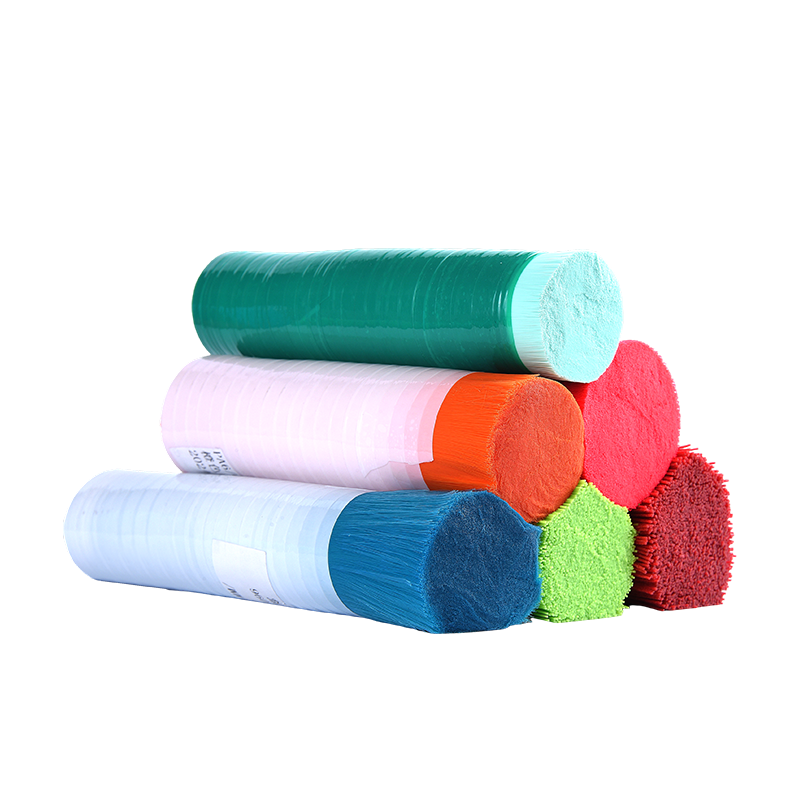
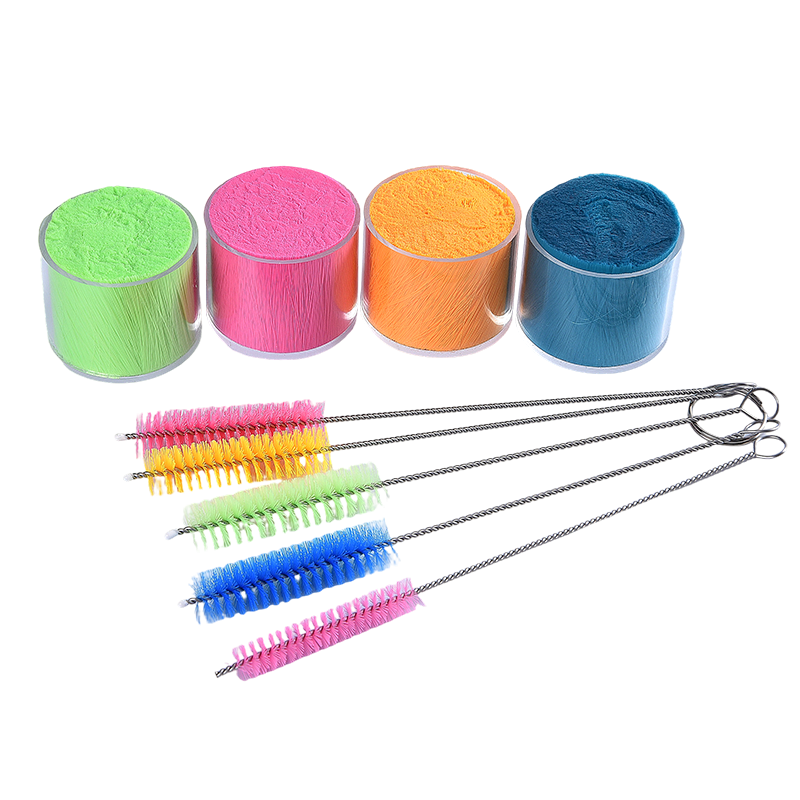
Not every part raises the same issue. When the object is purely functional, such as a set of filaments that cleans, polishes, or deburrs a surface, copyright is seldom the deciding factor. Protection comes from patents, registered designs, and the contracts that govern drawings and tooling. A custom filament program typically starts with a drawing or a physical sample, and ownership of that drawing, the wear data, and the extrusion parameters is settled in the supply agreement.
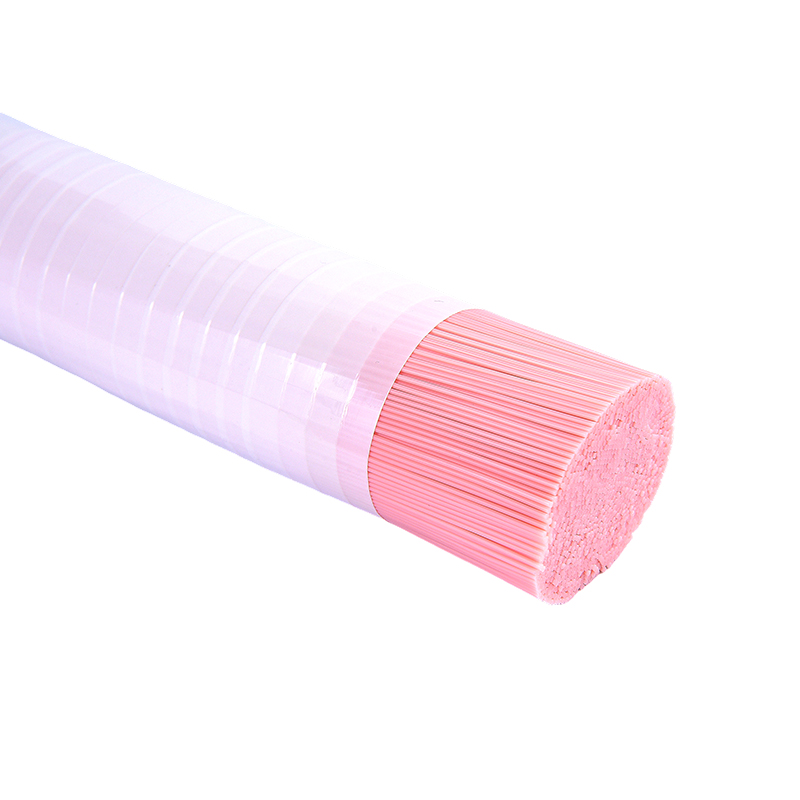 Abrasive Filament for Industrial BrushesCustomizable nylon abrasive filament covers multiple nylon grades, grit sizes, diameters, and abrasive loading, making it relevant for buyers comparing detailed brush specifications.View Product →
Buyers in that market rarely ask who owns the shape of a brush. They ask about grit retention, diameter tolerance, and how the tuft performs after a few hundred hours of contact. Those answers come from process control, and the questions worth asking about a supplier are documented in this abrasive filament buying guide, which covers the specification points that actually drive performance.
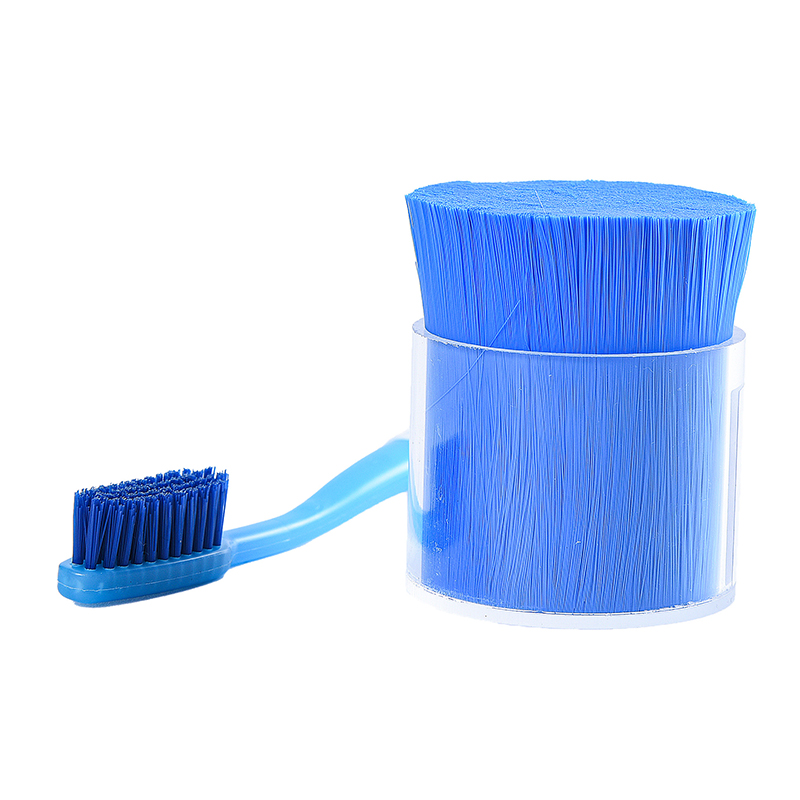 Nylon PA6 Monofilament for Industrial BrushesPA6 monofilament for cleaning and industrial brushes, with listed diameter ranges, shapes, and certifications; useful for buyers checking standard filament specifications.View Product →
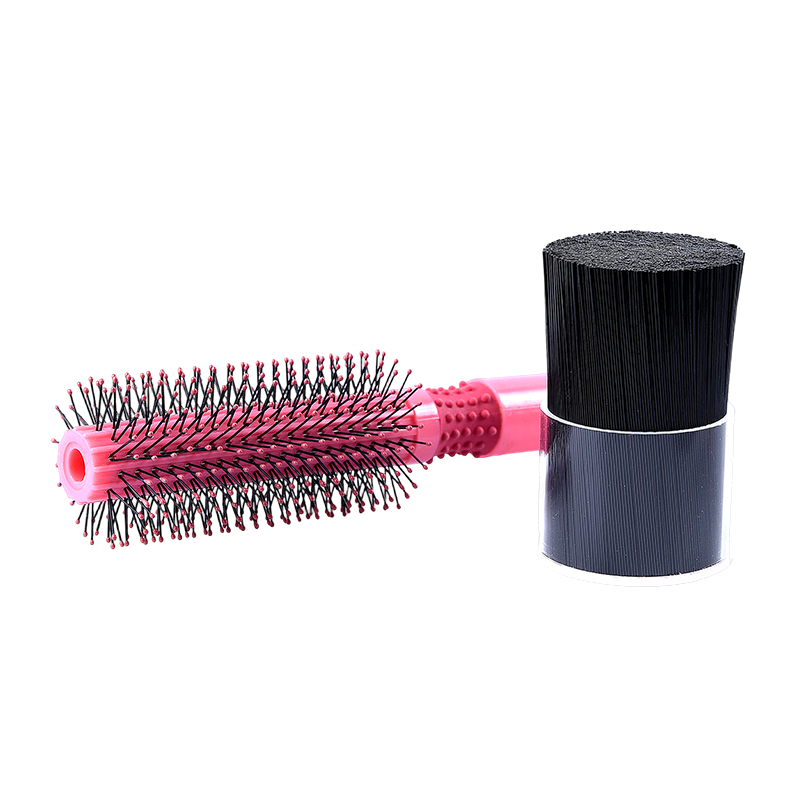
The same logic applies to standard polymer filaments. A PA6 or PA610 grade supplied to a drawing is a material specification, not an artistic work, and what a purchasing team should lock down is batch consistency, moisture content at delivery, and the tolerance band on cross section. Suppliers who publish those parameters, such as the range described for PA610 brush filament, are easier to audit than suppliers who only show a photo.
Common Follow-Up Questions
Can I model a car that is over a century old?
In the US, works published before 1931 are in the public domain, so the body design itself is generally free to reproduce. The badge and the name are separate assets and may still be protected as trademarks.
Under the Berne Convention, member countries grant foreign authors the same protection they give their own, then apply the shorter of the two terms in some cases. A file authored in one country and sold in another can therefore carry two different expiry dates.
Is 3D printing a copy?
Yes. Printing a physical object from a protected design is reproduction, and the printing process does not create a new exception. The status of the file and the status of the design have to be checked separately.
For a modern production car, assume the design is protected and the only realistic route is a license or a design that is genuinely your own. For a pre-1931 vehicle, assume the copyright has lapsed but check the badge, the trade dress, and any active design patent on a replacement part. And for the 3D file itself, treat the license as the controlling document, because that is where the permissions and the restrictions are actually written. When a project mixes a scanned body, a purchased mesh, and a printed functional component, document each layer separately, and the ownership question stops being a guess.