
 English
 русский
 Türk
TürkContent
A municipal maintenance crew in Phoenix replaced the sweeping brushes on two street sweepers in early spring. By late summer, the bristles on the machine parked in full sun had turned brittle, split at the tips, and lost their snap. The identical brush on the shadier route was still usable. The only difference was exposure: intense ultraviolet radiation and pavement surface temperatures above 60 C.
The conclusion is straightforward. If you are buying filament for outdoor UV high temp conditions, the polymer grade matters more than bristle thickness, trim length, or fill pattern. For industrial brush filaments, that decision narrows down to high-heat nylon grades such as PA66 and PA612, or PBT when UV and moisture stability dominate. Choosing the wrong material means premature shedding, stiff broken bristles, and a brush that needs replacement twice as often.
What UV and Heat Actually Do to Brush Filament
Outdoor failure rarely happens all at once. Ultraviolet radiation breaks the molecular chains in most polyamides, making the filament surface chalky and brittle. Heat accelerates that reaction, and hot surfaces on asphalt, drying ovens, or engine compartments push the polymer closer to its softening point. Moisture adds a third stress: nylon absorbs water, which plasticizes the material and lowers its heat resistance exactly when the sun is hottest. Together, these three factors explain why a brush that works indoors for two years can fail outdoors in two months.
The line chart below shows how tensile strength declines when different brush filament materials are exposed to a hot, sunny outdoor climate over 12 months.
PBT retains more than 75 percent of its original tensile strength after a full year in the sun, which is why it is a common choice for UV-exposed brush applications. PA612 also holds up well, keeping roughly 70 percent of its strength because its longer molecular chain reduces the number of amide groups that UV radiation can attack. Standard PA6 drops below 50 percent in the same period, which matches the brittleness seen in low-cost brushes after one summer. PA66 sits between them: it resists heat better than PA6 but still needs a UV stabilizer package for long outdoor service. The practical takeaway is that accelerated weathering data matters more than brand claims, and a filament that lasts 1,000 hours in a QUV tester will usually outlast an unstabilized general-purpose grade.
Heat Resistance: Know the Real Limit of the Polymer
If the brush contact point will see continuous heat near 100 C or more, narrow the material list to PA66 and PBT. PA6 should be ruled out when hot surfaces are involved, because it softens and takes a set bend that never recovers. The horizontal bar chart below lists realistic continuous service temperatures for five common brush filament materials.
Higher values mean the filament keeps its stiffness and flex life in hotter environments.
PBT leads the group because its crystalline structure holds stiffness at elevated temperature, making it useful for dryer rollers and equipment near heat sources. PA66 finishes a close second, and its dry heat resistance is why it appears in heavy sweeping brushes for industrial floors and roads. PA612 and PA610 sit in the middle of the range: they are not the first choice for extreme heat, but they are more stable outdoors than standard PA6. PA6 has the lowest ceiling of the five, which is why general-purpose brushes distort when they rest on hot asphalt or in direct sun. Remember that heat resistance drops when moisture is absorbed, so these numbers assume reasonable humidity control. For a brush that runs hot and dry, PA66 filament is usually the safest baseline.
Moisture Is the Hidden Variable
A hot outdoor site is rarely dry. Rain, washdowns, and condensation add water, and nylon absorbs it readily. Absorbed moisture plasticizes the filament, drops its heat deflection point, and changes the trim stiffness that the brush was designed around. This is why the smartest first filter for outdoor UV high temp filament is water absorption, not color or price.
Measured at equilibrium in a humid environment; lower values mean better dimensional stability outdoors.
The column chart shows equilibrium water absorption for each polymer family, and this number predicts how much a filament swells and softens in a humid outdoor climate. PA6 absorbs close to 10 percent of its own weight, which directly affects both dimensions and flex life. PA66 is slightly better but still hygroscopic, so it must be dried thoroughly before use to avoid surface bubbles and weak spots. PA610 and PA612 reduce absorption to about three percent or less, improving dimensional stability in wet weather. PBT absorbs almost no water, which is why it holds stiffness and shape even after months of rain. When high surface temperature meets humidity, a moisture-resistant grade can double brush life compared with standard PA6.
Comparing the Outdoor-Capable Candidates
For outdoor UV high temp use, the practical shortlist contains three materials: PA66, PA612, and PBT. Each one wins on different axes, so the right choice depends on what the brush is asked to do. PA66 is the workhorse for abrasive and high-heat jobs. PA612 is the balanced all-rounder for outdoor equipment that must keep its shape. PBT is the UV champion when direct sun and moisture are the main threats.
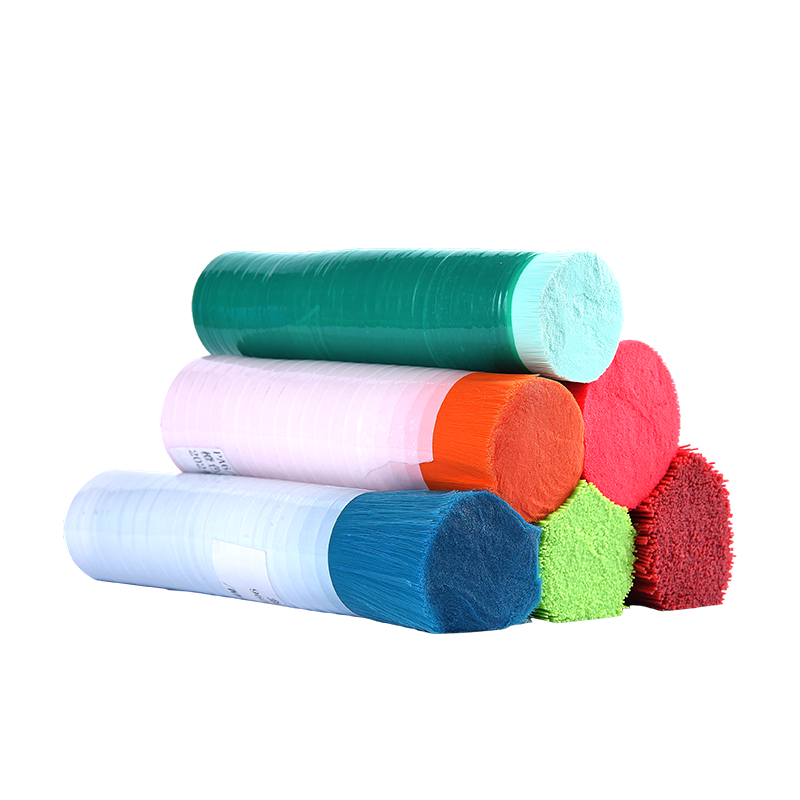
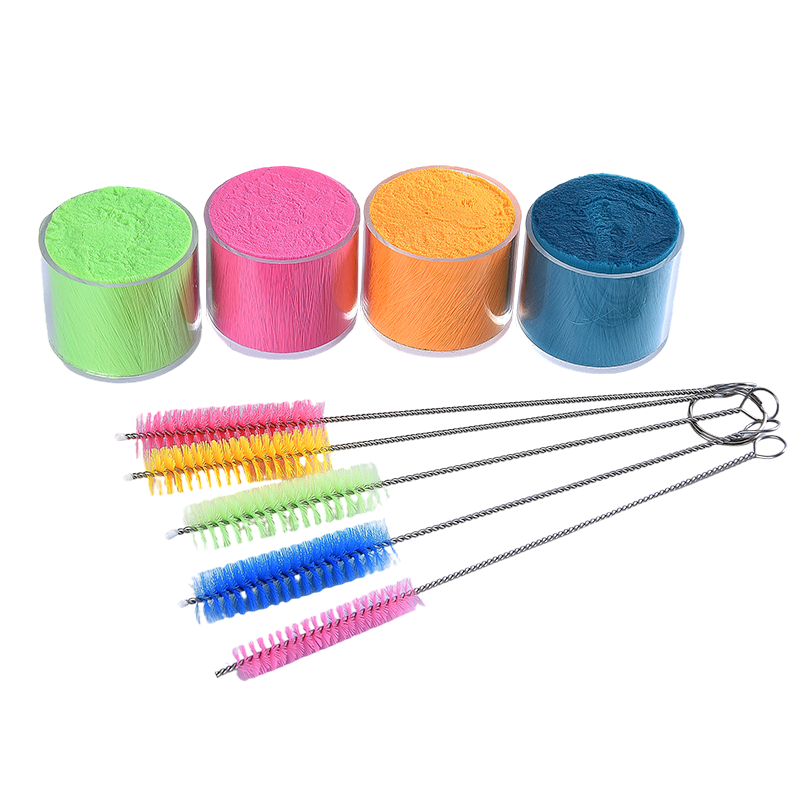
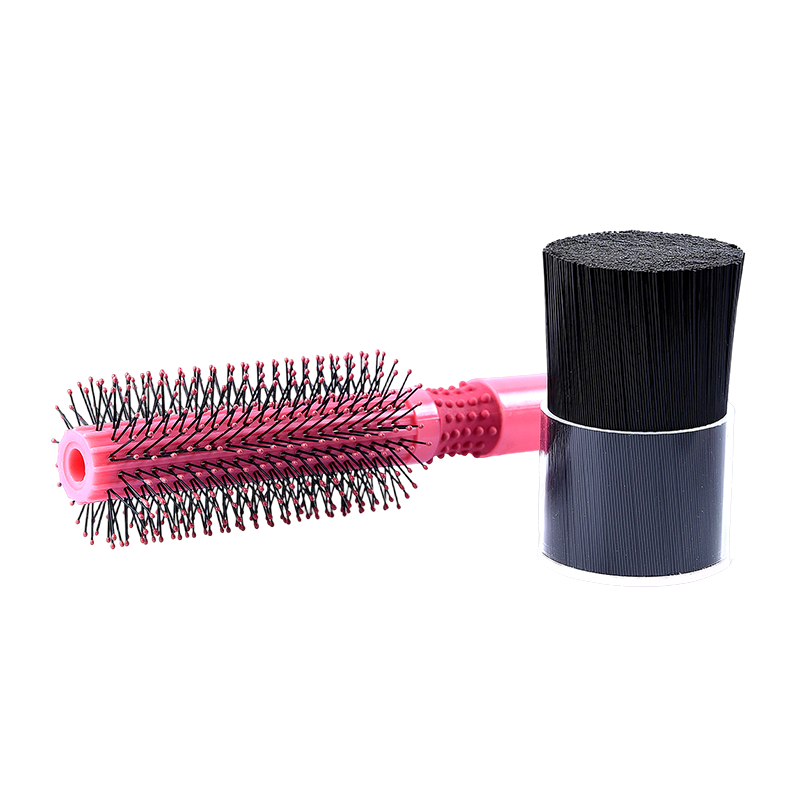
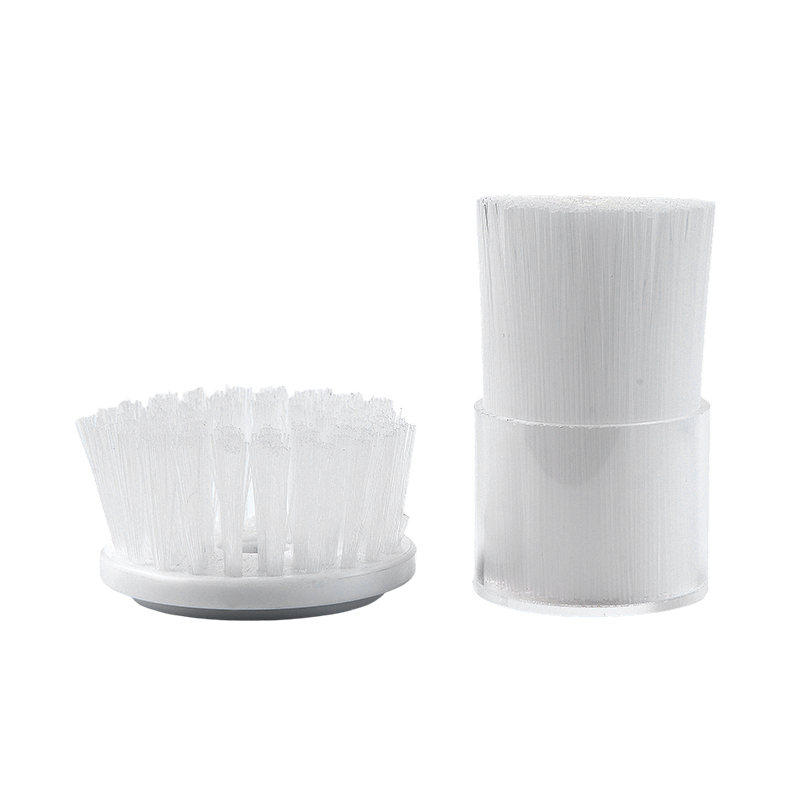 Nylon PA66 Brush Filament for Abrasive and High-Heat JobsThis PA66 filament offers strong mechanical performance and chemical resistance, making it a practical choice for outdoor brushes that must endure abrasive wear and high temperatures.View Product →
 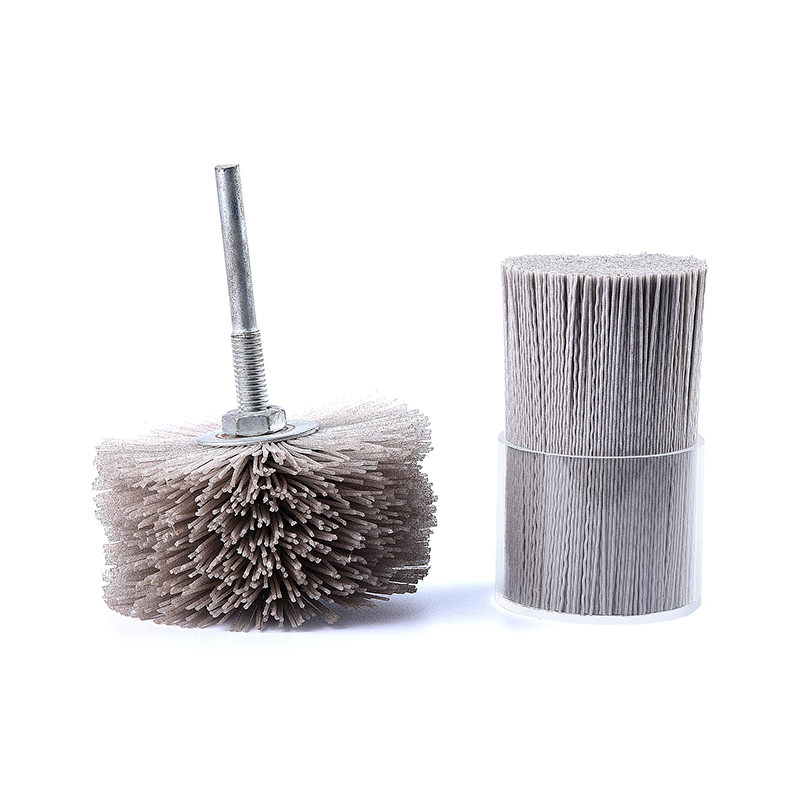 Nylon PA612 Brush Filament for Dimensional Stability in HumidityPA612 filament maintains stiffness in wet or humid environments and resists many solvents, suiting outdoor equipment that needs to keep its shape under changing conditions.View Product →
 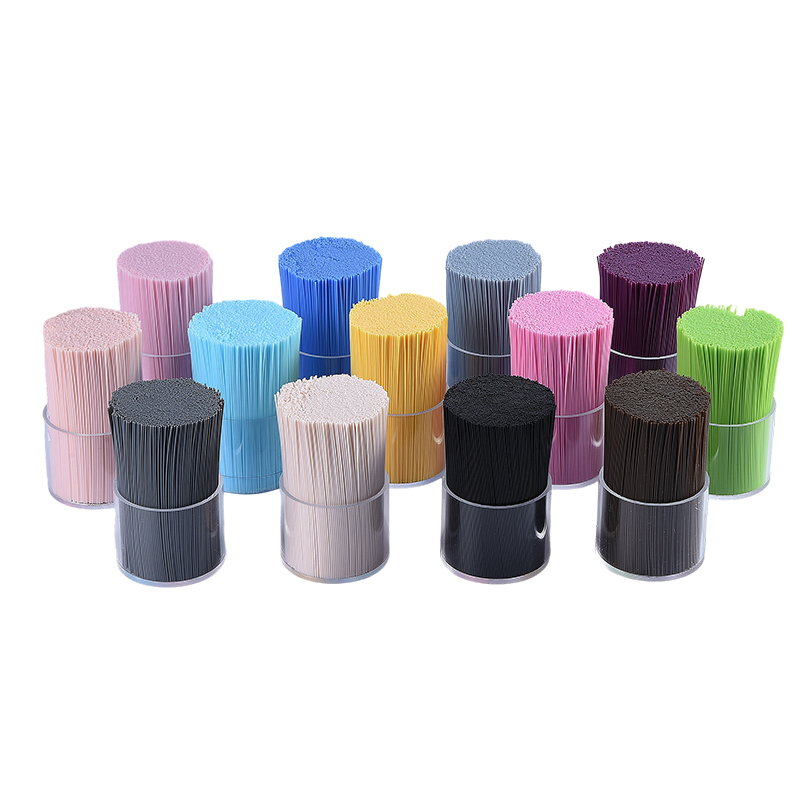 Nylon PBT Brush Filament for UV and Moisture ResistanceCombining nylon strength with PBT heat resistance, this filament is designed for brushes facing direct sun and moisture, helping them perform reliably in demanding outdoor settings.View Product →
Scores are relative, from low to high, for brush filament service in outdoor UV and high-temperature conditions.
The radar chart scores the three outdoor-capable materials across five properties that matter for industrial brushes. PA66 scores highest for heat and abrasion, which makes it the first choice for heavy sweeping and deburring brushes that run hot. PA612 offers the best balance, with good heat, good UV resistance, and lower moisture uptake than PA6 or PA66, so it holds its trim shape on outdoor cleaning equipment. PBT leads on UV resistance and dimensional stability but trails on abrasion and flex recovery, which points it toward roller brushes, guide strips, and cover brushes rather than aggressive surface finishing. No single material wins every axis, so a supplier should state the operating window of the brush rather than promise a universal filament. In practice, many manufacturers keep two or three grades in stock and switch based on the customer's geography and season.
Quick Reference: Outdoor UV High Temp Filament Selection
The comparison below summarizes the key numbers discussed above. Use it as a first filter, then confirm the final grade with weathering and load tests.
| Material | Max continuous temp (C) | Water absorption | UV resistance | Best suited for |
|---|---|---|---|---|
| PA6 | 90 | 9.5% | Poor | Indoor general-purpose brushes |
| PA66 | 115 | 8.5% | Fair | Hot and abrasive sweeping |
| PA610 | 100 | 3.0% | Good | Outdoor cleaning equipment |
| PA612 | 105 | 2.5% | Good | Outdoor automated car wash brushes |
| PBT | 120 | 0.4% | Excellent | UV-exposed rollers and strip brushes |
Selection Checklist for Outdoor UV High-Temp Filament
Before placing an order, run through the following steps to match the filament to the real operating environment.
- Confirm the hottest surface temperature at the brush contact point, not just the daytime air temperature, because radiant heat at the brush face is often 20 C higher.
- Measure humidity and the washdown cycle: brushes that get sprayed or soaked daily need a low-absorption grade such as PBT or PA612.
- Ask the supplier whether the base polymer contains UV stabilizers and how the filament performs in accelerated weathering tests.
- Verify test data with a small trial batch instead of evaluating the full brush after a full season, because failure shows up first at the surface.
- Match the polymer to the brush construction: sweeping brushes benefit from PA66 while roller and strip brushes for sun-exposed equipment are better suited to PBT.
In our experience, the difference between a brush that survives a second summer and one that sheds in a single season often comes down to one decision at the material stage. As we explained in our review of high-strength, wear-resistant nylon filaments in cleaning and industry, polymer selection determines both wear life and weather resistance. Manufacturers such as Ningbo Keying supply PA6, PA66, PA610, PA612, and PBT brush filaments in custom diameters and shapes, and you can review the full brush filament range before requesting a quotation.