
 English
 русский
 Türk
Content
A brush maker sends a sample and asks for Perlon nylon 6 filament. The quote comes back as PA6, and usually that is correct. The risk is that Perlon is treated as a complete specification when it is only a starting point. Perlon is a trade name long used for polyamide 6 fiber, so the practical question is not whether Perlon and nylon 6 are different materials. The practical question is which PA6 grade, diameter, finish, and moisture condition will hold up in the brush you are building.
For buyers, the conclusion is simple. Treat Perlon as a market term for nylon 6, then verify the filament with polymer data, dimensional tolerance, mechanical properties, and end-use testing. That approach prevents a common mistake. A buyer accepts a generic PA6 filament because the label says Perlon, then finds that the bristle softens, swells, or wears too quickly in the final application.
Perlon and Nylon 6: Same Polymer Family, Different Market Language
Perlon is a name with history in the synthetic fiber market. It is associated with polyamide 6, commonly called nylon 6. In watch straps and textiles, Perlon often describes a woven or braided nylon construction. In the brush trade, it more often points to PA6 monofilament. Those uses are related, but they are not interchangeable specifications.
This matters because a Perlon request can hide three different needs. One buyer may want the soft hand and flexibility of PA6. Another may need abrasion resistance for a floor brush. A third may need a clean, uniform filament for a cosmetic brush or a technical cleaning head. All three may start with nylon 6, but the compound, filament diameter, surface finish, and additive package will differ.
Ask for the polymer type first. A supplier should be able to state that the filament is polyamide 6, give the grade or formulation family, and confirm the diameter range. If the answer stops at Perlon, the specification is incomplete.
Why PA6 Works Well in Brush Filament
PA6 earns its place in brush filament because it balances toughness, flexibility, and wear resistance. Compared with stiffer nylon grades, PA6 tends to feel softer and recover well after bending. That combination suits cleaning brushes that must follow a surface, personal care brushes that should not feel harsh, and industrial brushes where repeated flexing would fatigue a brittle filament.
PA6 also accepts additives and processing adjustments. Manufacturers can tune the filament for improved abrasion resistance, color, heat stability, or abrasive grit loading. For a sweeping brush, the goal may be fatigue resistance and stiffness retention. For a polishing brush, the goal may be a finer diameter and a consistent tip. For an abrasive brush, the goal may be secure grit bonding and controlled wear.
Nylon 6 is not automatically the best choice for every brush. It absorbs more moisture than PA66 and some other polyamides, so dimensional control needs attention. In a humid plant or a wet cleaning application, an unconditioned PA6 filament can change diameter and mechanical behavior after it reaches the customer. Good suppliers account for that in drying, conditioning, and packaging.
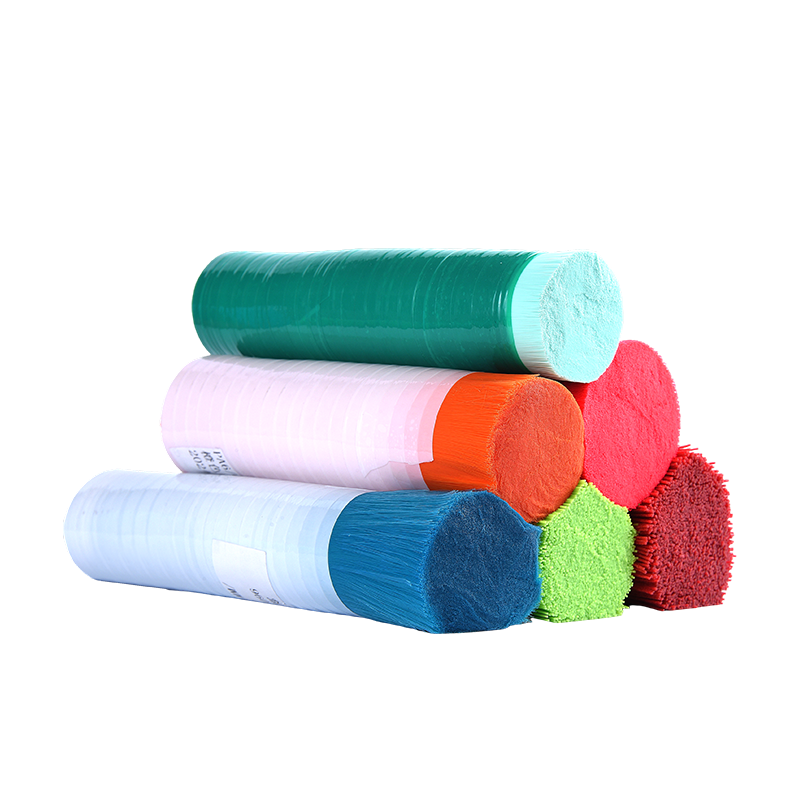
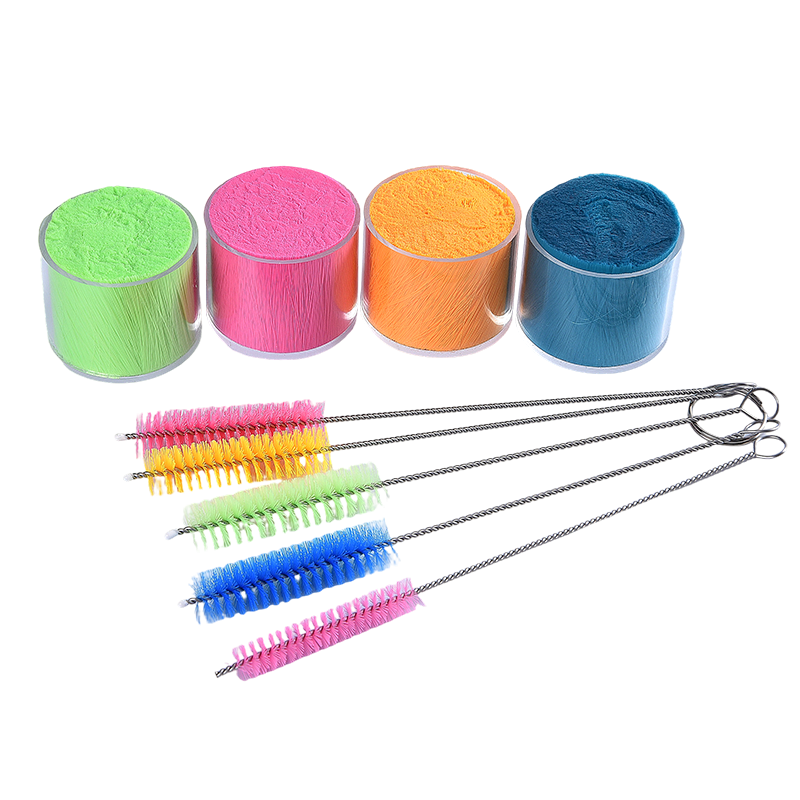
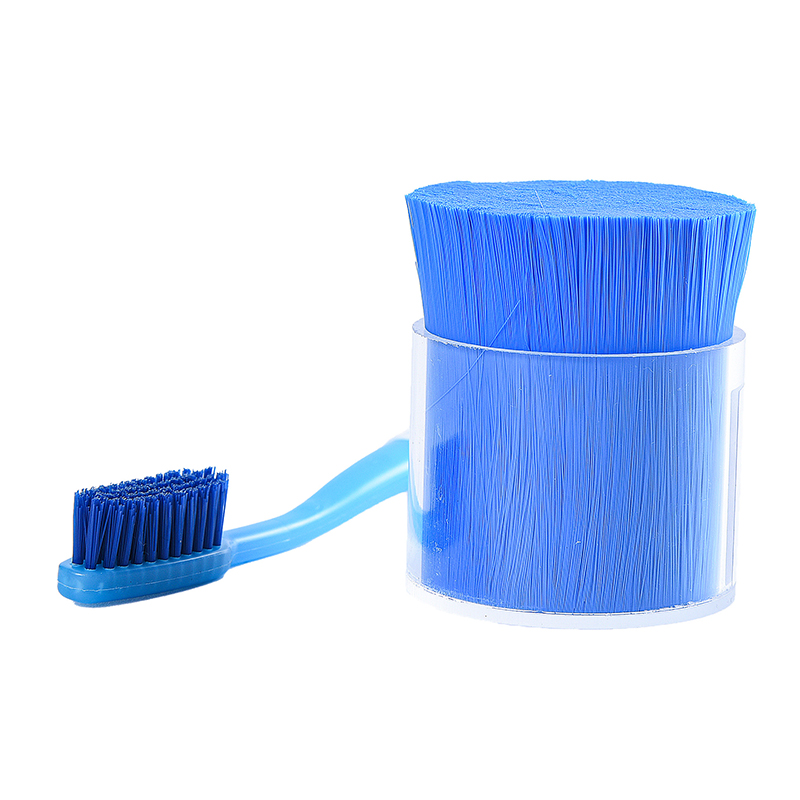 Nylon PA6 Brush Filament for Industrial and Cleaning BrushesReview moisture-related dimensional control, 0.1–1.2 mm diameter range, and solid, hollow, or cross shapes for brush production.View Product →
Specifications That Matter More Than the Name
A Perlon nylon 6 inquiry should become a short technical brief. The table below shows the checks that most often decide whether a filament performs well in production and in the finished brush.
| Specification area | What to confirm | Why it affects the brush |
|---|---|---|
| Polymer grade | Confirm polyamide 6, formulation family, and any abrasion or heat stabilizer. | Different additives change flexibility, wear, and color. |
| Diameter and tolerance | Agree on nominal diameter, tolerance, and measurement method. | Small changes affect tuft density, insertion force, and brush feel. |
| Tensile strength and elongation | Set targets based on tufting and end-use stiffness. | Low elongation can cause brittle breakage. High elongation can feel soft. |
| Moisture content | Define conditioning state and acceptable moisture range. | PA6 absorbs water, which can change dimensions and toughness. |
| Surface finish and additives | Specify smooth, textured, crimped, or abrasive options. | Finish affects friction, grit retention, and cleaning action. |
| Compliance | List color limits, RoHS needs, and customer-specific restrictions. | Compliance failures can stop shipment or trigger rework. |
These checks are not academic. A diameter that drifts by a few hundredths of a millimeter can change tuft density, insertion force, and brush feel. A tensile difference that looks small on paper can become a broken bristle or a limp brush after repeated use. Moisture content can affect both dimensions and toughness.
Moisture, Finish, and Real-World Performance
Moisture is the quiet variable in nylon 6 brush filament. PA6 absorbs water from the air, and the amount depends on exposure time, temperature, and packaging. A filament that measures 0.30 mm in a dry state may behave differently after conditioning. For brushes with tight tuft holes or precise trim heights, that movement matters. Buyers should ask how the filament is dried, how moisture is measured, and how the package protects the filament during shipping.
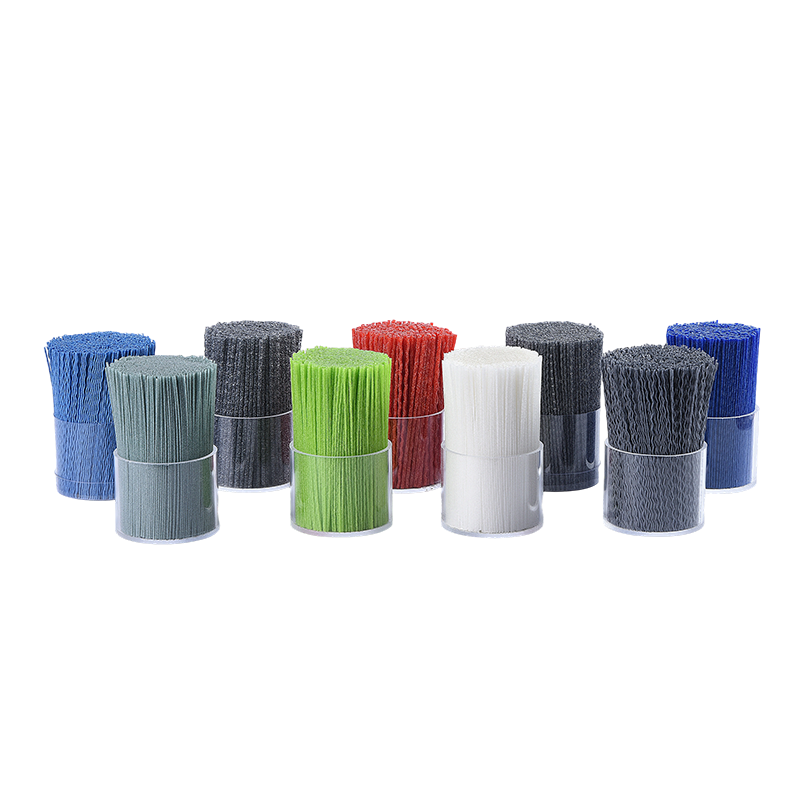
Surface finish is the second practical variable. A smooth filament can reduce friction and improve feel in personal care brushes. A textured or treated surface may help grit retention in abrasive filaments or change how a brush carries compound. Cut length, crimp, and tip shape also belong in the specification because they affect tufting, trimming, and the final brushing action.
For cleaning and industrial brushes, wear is rarely caused by one property alone. It comes from the combination of filament toughness, surface hardness, flex fatigue, and the counter-surface. A filament that works on a soft floor may fail on a rough metal edge. A filament that performs in a dry sweeper may behave differently in a wet alkaline cleaner. Sample testing on the actual brush line is still the most reliable decision tool.
Sourcing Perlon Nylon 6 Filament Without Guesswork
The best sourcing process starts with the application, not the label. Describe the brush type, the workpiece or surface, the cleaning chemistry, the expected flex cycle, and the tufting method. Then ask for a PA6 filament that meets the diameter, tensile, elongation, and moisture targets. If the application involves abrasive action, say so early because the compound and grit system will change.
Custom development is useful when a standard grade almost fits but not quite. A supplier with in-house drawing and conditioning control can adjust diameter, surface finish, and mechanical properties with less batch-to-batch variation. This is also where a sample review saves time. A small trial run on the actual tufting equipment reveals more than a datasheet alone, especially for filament that will be cut, folded, or trimmed.
For applications that need a different balance of moisture resistance, stiffness, or chemical resistance, compare PA610, PA612, or PA66 before locking the specification. These grades are not drop-in replacements for every Perlon nylon 6 request, but they can be better fits when the end use exposes the limits of PA6. The right answer depends on the brush, not on the name of the polymer alone.
Reviewing wear resistant nylon filaments for cleaning and industrial brushes can help teams frame the performance questions before sampling.
A custom supplier such as Ningbo Keying New Material Technology can develop PA6 filament from a drawing or sample and adjust the specification before volume production. That early technical work is often more valuable than a price comparison based on a vague Perlon description.
A Practical Buying Checklist
Use this list to turn a vague Perlon request into a repeatable purchase specification.
- Confirm the polymer. State polyamide 6, not only Perlon.
- Define diameter and tolerance. Include the measurement method and acceptable range.
- Set tensile and elongation targets. Tie them to tufting and end-use stiffness.
- Specify moisture content and conditioning. Agree on test method and packaging protection.
- Describe surface finish, crimp, cut length, and tip requirements.
- List compliance needs. Include color, RoHS, heavy metals, or customer-specific limits.
- Run a sample on the actual brush line before approving volume production.
The checklist is deliberately short. A long specification with unclear priorities creates its own risk. A short specification with clear test methods and a real sample trial gives the supplier and the buyer a shared basis for approval.
Perlon nylon 6 is a useful shorthand, but it is not a full material specification. Use it to start the conversation, then confirm the PA6 grade, diameter, mechanical properties, moisture condition, and surface finish against the brush you intend to make. That discipline reduces sample cycles and gives the final brush a better chance of meeting its cleaning, wear, and feel requirements.