
 English
 русский
 Türk
TürkContent
- 1 Key Material Properties That Determine Where PA610 Is Used
- 2 Industrial Surface Finishing and Deburring Brushes
- 3 Industrial Cleaning and Conveyor Brushes
- 4 Food Processing and Agricultural Equipment Brushes
- 5 Personal Care and Cosmetic Brushes
- 6 Printing, Graphic Arts, and Electronics Manufacturing Brushes
- 7 Road Sweeping, Municipal, and Outdoor Cleaning Brushes
- 8 Automotive Applications: Paint Preparation and Car Wash Brushes
- 9 Sustainability Advantage: PA610's Bio-Based Origin in Modern Specification
- 10 Available Filament Specifications and Customization Options
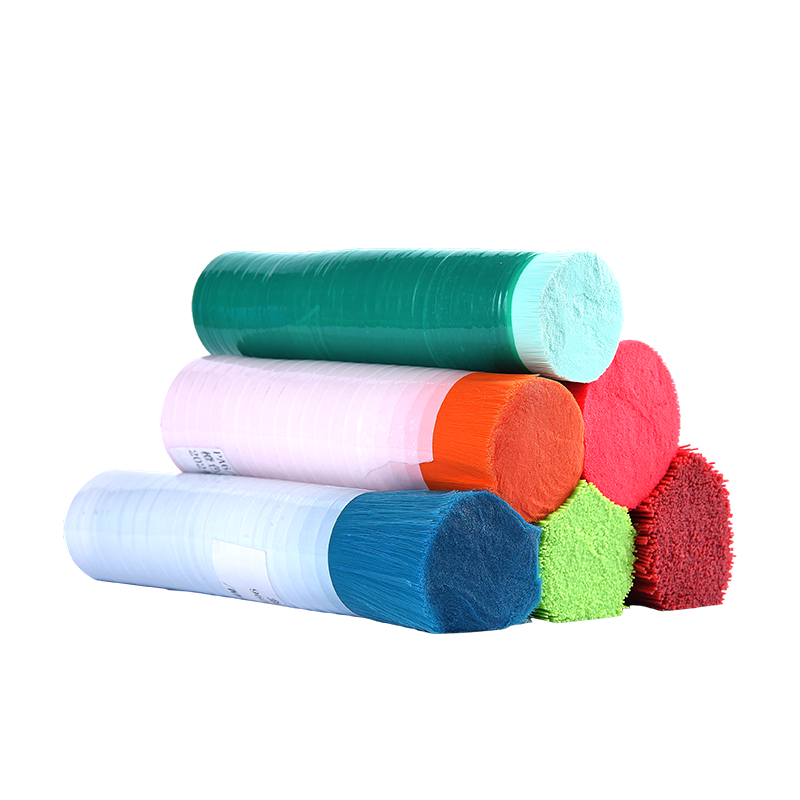
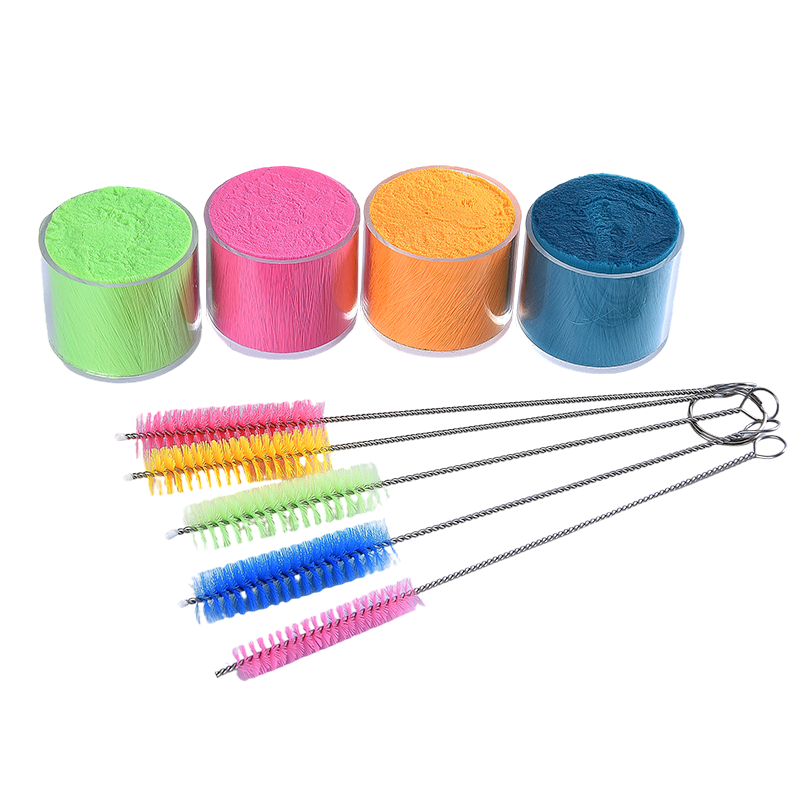
Nylon PA610 Brush Filament is used across a remarkably wide range of industrial, commercial, and consumer brush applications — from precision surface finishing and industrial cleaning to personal care, food processing, and agricultural equipment. Its defining combination of moderate stiffness, outstanding moisture resistance, excellent chemical resistance, and bio-based raw material origin makes it one of the most versatile monofilament materials available for brush manufacturing today.
PA610 (polyamide 6,10) is synthesized from hexamethylenediamine and sebacic acid — the latter derived from castor oil, a renewable plant-based resource. This partial bio-based origin gives PA610 filament a lower moisture absorption rate than PA6 or PA66, approximately 1.3% equilibrium moisture content versus 3.5% for PA6 under standard conditions (23 degrees C / 50% RH), which translates directly into more stable brush performance in wet and humid environments. (Source: ISO 62:2008 Plastics — Determination of water absorption; comparative data from polymer material datasheets.)
Key Material Properties That Determine Where PA610 Is Used
Understanding why PA610 is selected for specific applications requires a clear picture of its measurable performance properties compared to other common brush filament materials.
| Property | PA610 | PA6 | PA612 | PBT |
| Moisture absorption (equilibrium) | ~1.3% | ~3.5% | ~1.0% | ~0.4% |
| Flexural recovery (flagging resistance) | Excellent | Good | Excellent | Very good |
| Chemical resistance (dilute acids/alkalis) | Good | Moderate | Good | Very good |
| Bio-based raw material content | ~63% (sebacic acid) | 0% | ~45% | 0% |
| Operating temperature range | -40 to +100 degrees C | -30 to +90 degrees C | -40 to +100 degrees C | -40 to +120 degrees C |
| Typical filament diameter range | 0.10 to 1.50 mm | 0.10 to 1.20 mm | 0.10 to 1.50 mm | 0.10 to 0.80 mm |
The combination of low moisture absorption, excellent elastic recovery, and partial bio-based composition positions PA610 in a practical sweet spot: better wet stability than PA6, comparable performance to PA612 at generally lower material cost, and a sustainability profile that pure petrochemical filaments cannot match. These characteristics directly translate into the application strengths described in the sections below.
Industrial Surface Finishing and Deburring Brushes
One of the largest volume applications for PA610 brush filament is in industrial surface finishing — including deburring, edge radiusing, and surface conditioning of machined metal and composite components. These brushes are used on CNC machining centers, robotic deburring cells, and manual bench grinding stations across the automotive, aerospace, and precision engineering sectors.
Why PA610 Is Chosen for Deburring Applications
Industrial deburring brushes operate under repeated flexing cycles against metal edges, often in the presence of cutting fluids, coolants, and metalworking oils. PA610 filament performs well in this environment because:
- Its low moisture uptake (approximately 1.3%) means the filament maintains consistent stiffness and spring-back characteristics whether used dry or in flood coolant environments, eliminating the performance drift that occurs with PA6 filaments as they absorb water during use
- The excellent elastic recovery of PA610 allows filaments to return to their original geometry after each deflection cycle, extending brush life and maintaining consistent cut action over thousands of work cycles
- PA610 filament can be loaded with abrasive particles — typically silicon carbide (SiC) or aluminium oxide (Al2O3) at loadings of 20% to 40% by weight — producing abrasive filaments for aggressive deburring and surface conditioning without requiring a separate abrasive media stage
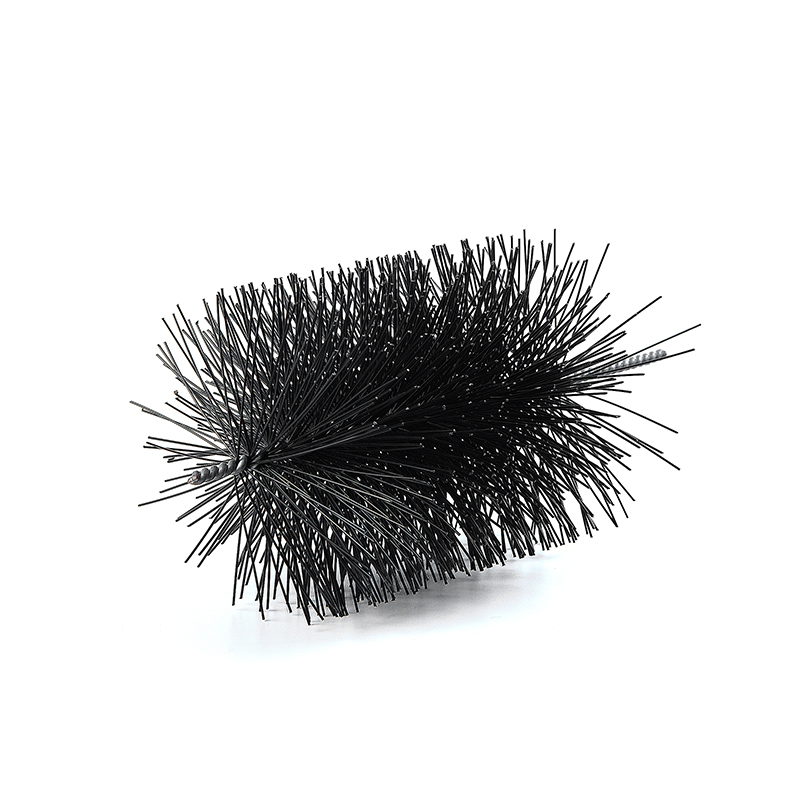
Wheel brushes, disc brushes, and end brushes manufactured from abrasive PA610 filament (0.35 mm to 1.10 mm diameter) are used to deburr aluminum die castings, titanium aerospace components, and stainless steel medical device parts where dimensional accuracy and edge consistency are critical quality parameters. (Source: Society of Manufacturing Engineers, Deburring Technology International, Tool and Manufacturing Engineers Handbook Vol. 1.)
Automated and Robotic Brush Deburring
In automated manufacturing cells, PA610 filament brushes mounted on robotic arms or multi-axis machining centers perform consistent deburring operations on complex 3D geometries. The filament's predictable stiffness-to-diameter relationship allows engineers to calculate brush compliance and tool path parameters reliably, which is essential for unattended operation. PA610 filaments in the 0.45 mm to 0.90 mm diameter range are most commonly specified for robotic deburring of aluminum and mild steel components.
Industrial Cleaning and Conveyor Brushes
PA610 filament is extensively used in industrial cleaning brushes deployed on production lines, conveyor systems, and processing equipment. These brushes clean, sweep, seal, or guide products and materials in continuous-process manufacturing environments.
Conveyor Belt Cleaning Brushes
Conveyor belt cleaning is a high-wear brush application in mining, food processing, recycling, and package handling operations. PA610 filament brushes are preferred over PA6 in wet conveyor environments — such as produce washing lines, fish processing conveyors, and bottle washing systems — because their lower moisture absorption means filament stiffness remains consistent throughout an entire production shift, maintaining effective cleaning contact force against the belt surface.
Tunnel Washing and Part Cleaning Systems
Automotive and industrial component washing tunnels use rotating PA610 filament brushes to scrub parts moving through aqueous cleaning stages. The brushes must maintain performance in solutions containing alkaline detergents at concentrations of typically 1% to 5% by volume and temperatures up to 70 to 80 degrees C. PA610's good resistance to dilute alkalis and its thermal stability up to 100 degrees C makes it suitable for these conditions, where PA6 filament would soften and lose stiffness at the upper end of the temperature range.
Dust Sealing and Guiding Brushes
Strip brushes and channel brushes made from PA610 filament are widely used as dust seals, product guides, and gap fillers in packaging machinery, laser cutting systems, and conveyor transfer points. In these applications, the brush is not performing an aggressive cleaning action but rather maintaining a controlled, consistent contact barrier. PA610's dimensional stability under varying humidity levels is particularly valuable here — in a factory environment where relative humidity fluctuates between 30% and 80% seasonally, PA610 filament maintains its set length and stiffness far more consistently than PA6.
Food Processing and Agricultural Equipment Brushes
PA610 filament's combination of food-contact compliance, moisture resistance, and mechanical durability makes it well-suited for brush applications in food processing and agricultural machinery — two sectors where hygiene, chemical exposure, and continuous wet operation are routine requirements.
Fruit and Vegetable Washing and Polishing Brushes
Produce handling lines use roller brushes and disc brushes to wash, polish, and sort fruits and vegetables. PA610 filament is frequently specified for these brushes because it can be manufactured in food-contact-compliant grades (meeting EU Regulation 10/2011 on plastic materials in contact with food, and FDA 21 CFR requirements), and because its resistance to the dilute acidic environments produced by fruit acids and wash water additives preserves filament integrity over extended production runs.
For apple and citrus polishing brushes, PA610 filaments in the 0.15 mm to 0.30 mm diameter range with a soft, flexible character are used to achieve a polished surface appearance without bruising the fruit. The filament's inherent smoothness and low abrasion relative to stiffer materials makes it the preferred choice for gentle surface finishing of food products.
Grain Cleaning and Seed Sorting Brushes
In grain processing facilities, PA610 filament brushes are used on grain cleaning machines, seed sorters, and de-awning equipment. These brushes must handle dry, abrasive grain particles at high throughput rates while resisting the static charge buildup that attracts dust and contaminants. PA610's slightly lower electrical resistivity compared to PBT makes it perform more acceptably in antistatic brush configurations for dry grain processing environments.
Poultry and Meat Processing Equipment
Poultry defeathering machine fingers and meat processing cleaning brushes use PA610 filament because of its ability to be steam-cleaned and sanitized repeatedly with hot water and food-grade disinfectants without significant degradation. The material withstands repeated exposure to temperatures up to 90 to 100 degrees C during CIP (clean-in-place) cycles that are standard in food processing hygiene protocols.
Personal Care and Cosmetic Brushes
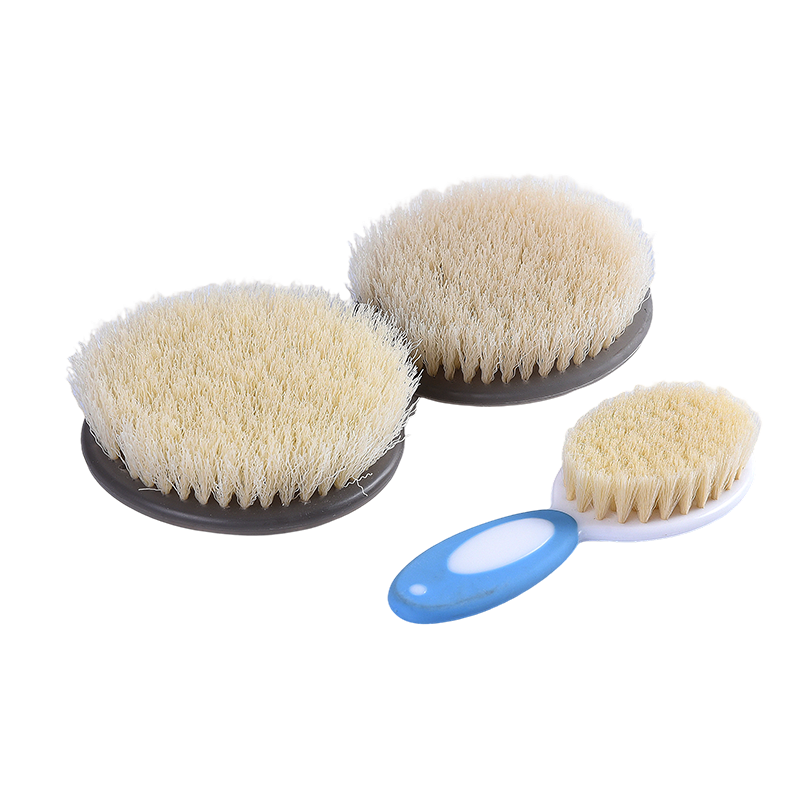
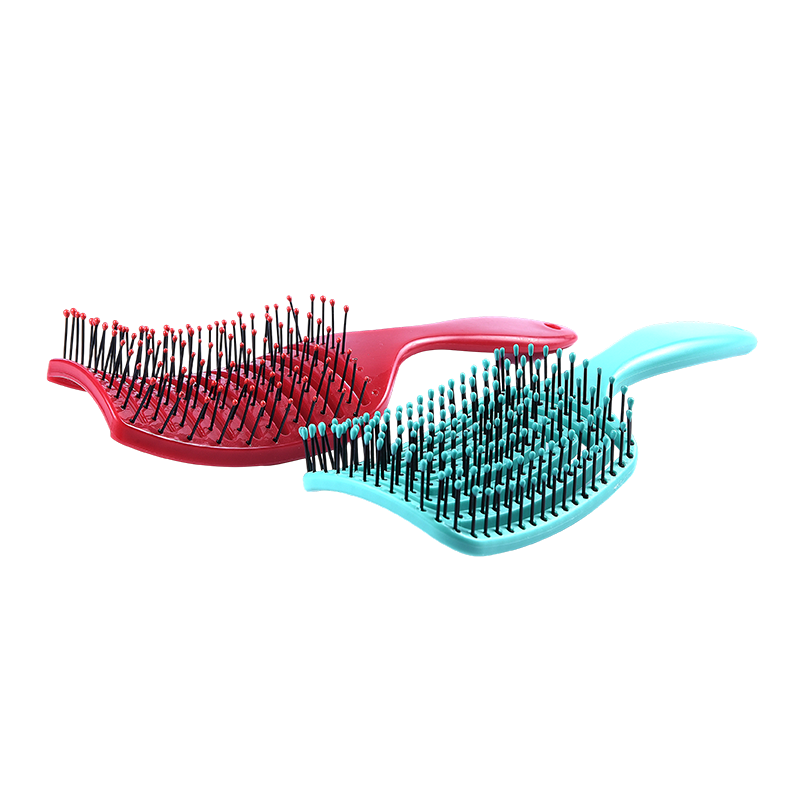
PA610 filament has established a strong position in personal care brush applications, particularly in toothbrush tufting filament, hairbrushes, cosmetic brushes, and nail cleaning brushes. Its skin-safe material profile, smooth surface finish, and availability in very fine diameters make it suitable for brushes that contact skin, teeth, and hair repeatedly.
Toothbrush Filament
PA610 is used as toothbrush tufting filament in diameters ranging from 0.10 mm to 0.25 mm, often in both round-tip and end-rounded configurations. The end-rounding of filament tips is a critical safety processing step for toothbrush filaments — sharp cut ends cause gingival abrasion — and PA610 responds well to the mechanical and thermal end-rounding processes used in high-speed toothbrush manufacturing. Its lower moisture absorption compared to PA6 ensures that filament stiffness and tuft geometry remain consistent through the wet-dry cycles of daily brushing use.
The partial bio-based origin of PA610 (approximately 63% derived from castor oil) has also become a marketing differentiator for personal care brands positioning their products around sustainability — a factor driving increased specification of PA610 over fully petrochemical PA6 or PA66 in premium toothbrush lines. (Source: Ellen MacArthur Foundation, Sustainability in Plastics Reports; EU Green Deal policy context.)
Hairbrushes and Styling Brushes
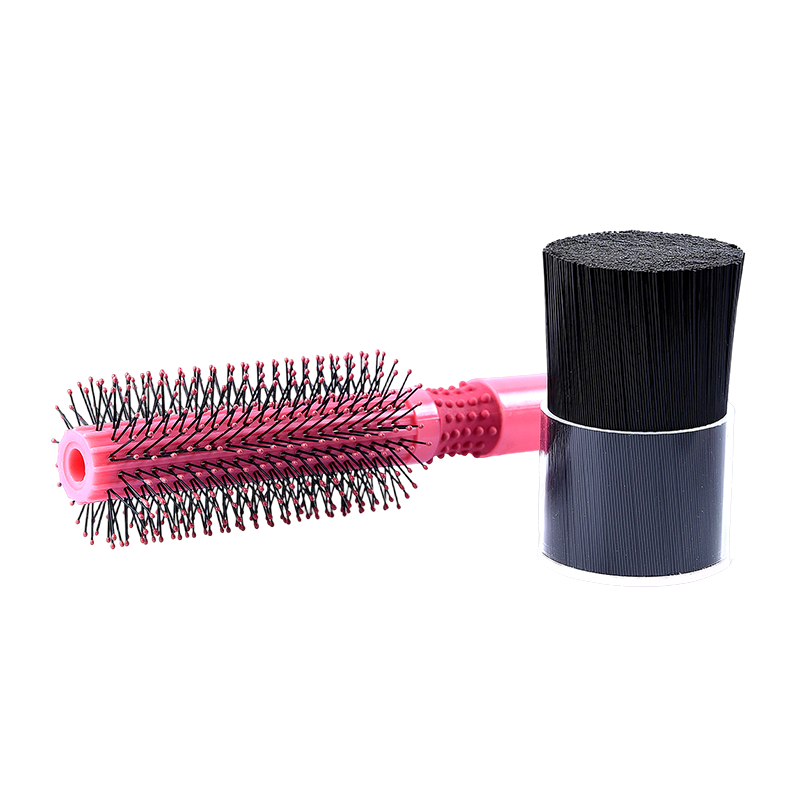
PA610 filament in the 0.20 mm to 0.45 mm diameter range is used in paddle brushes, round styling brushes, and detangling brushes. The filament's smooth surface and good flexibility at fine diameters produces a gentle brushing action that minimizes hair breakage compared to stiffer materials, making it preferred for brushes marketed for fine or damaged hair. The material's low moisture absorption also means it does not swell or lose stiffness when used on wet hair.
Cosmetic and Makeup Brushes
Fine-diameter PA610 filament (0.10 mm to 0.18 mm) is used as a synthetic fiber substitute for animal hair in powder brushes, blush brushes, and eyeshadow brushes. Synthetic brush filaments in this application must pick up and release cosmetic powders and creams predictably, resist absorption of pigments and oils, and clean easily with mild soap and water. PA610's smooth surface and low oil absorption rate make it one of the better-performing synthetic alternatives in this demanding personal care application segment.
Printing, Graphic Arts, and Electronics Manufacturing Brushes
PA610 filament is used in several specialized brush applications in the printing industry and electronics manufacturing, where precision, cleanliness, and controlled filament characteristics are requirements that generic brush materials cannot reliably meet.
Screen Printing and Pad Printing Brushes
Cleaning brushes used on screen printing presses remove residual ink from screens, squeegees, and frame components using solvent-based cleaning systems. PA610 filament's resistance to a range of organic solvents — including ethanol, isopropanol, and many ketone-based press wash solvents — at room temperature makes it suitable for this application, where PA6 or PA66 filaments can suffer from solvent attack and stiffness loss over repeated cleaning cycles.
PCB and Electronics Cleaning Brushes
Printed circuit board (PCB) cleaning brushes use fine PA610 filament to remove flux residues, solder paste, and contamination from board surfaces during electronics assembly. In this application, the brush must be soft enough not to damage fine-pitch component leads or surface-mount devices while being stiff enough to dislodge flux residue effectively. PA610 filament in the 0.10 mm to 0.20 mm diameter range achieves this balance, and the material's low ionic extractable content is an important factor for applications where ionic contamination of cleaned PCBs is a quality concern.
Antistatic Brush Applications
In electronics manufacturing environments and clean-room operations, antistatic brushes are used to remove particles from sensitive surfaces without generating electrostatic discharge (ESD). PA610 filament can be manufactured with carbon-black or conductive additive loading to achieve surface resistivity in the 10 to the power of 6 to 10 to the power of 9 ohm per square range, qualifying the filament for ESD-safe brush applications under ANSI/ESD S20.20 and IEC 61340-5-1 standards.
Road Sweeping, Municipal, and Outdoor Cleaning Brushes
PA610 filament is used in road sweeping brushes, gutter brushes, and municipal cleaning equipment — applications characterized by heavy mechanical loading, outdoor UV exposure, and contact with water, road chemicals, and abrasive debris over extended service periods.
For road sweeping disc brushes and cylindrical broom brushes, PA610 filament competes with polypropylene (PP) and PBT in the medium-stiffness segment. The key advantages that drive PA610 specification in this application include:
- Superior elastic recovery compared to PP — PA610 filaments return to their set angle after deflection more consistently than polypropylene, maintaining effective sweeping contact force as the brush wears and filament length reduces
- Resistance to road de-icing salts (sodium chloride, calcium chloride) and alkaline road surface treatments that degrade PP filaments over winter service periods
- Good UV resistance in stabilized grades, maintaining structural integrity over outdoor service seasons without the embrittlement that occurs in unstabilized PA grades
- Availability in coarse diameters (0.80 mm to 1.50 mm) required for the high-force sweeping action of municipal road cleaning vehicles
Railway track cleaning brushes and platform gap sweeping brushes also use heavy-gauge PA610 filament for its combination of stiffness, toughness, and resistance to the oils, greases, and brake dust contamination present in railway operating environments.
Automotive Applications: Paint Preparation and Car Wash Brushes
The automotive sector uses PA610 filament in several brush applications along the vehicle production and aftermarket service chain.
Pre-Paint Surface Preparation Brushes
Before paint application, automotive body panels and components undergo mechanical surface preparation using abrasive filament brushes to create the micro-profile that promotes paint adhesion. PA610 abrasive filament brushes loaded with silicon carbide or aluminium oxide are used in robotic surface preparation cells in automotive paint shops, where consistent, programmable brush compliance and predictable abrasive cut rate are required for process control.
Tunnel Car Wash Brushes
Automatic car wash systems use large-diameter rotating brushes to wash vehicle surfaces. PA610 filament for car wash brush applications is typically used in 0.25 mm to 0.50 mm diameter range in medium-to-fine wash brushes. The filament must be soft enough to avoid paint micro-scratching while stiff enough to maintain contact force against the vehicle surface. PA610's wet stability — its stiffness changes by less than 15% between dry and fully wet conditions, compared to PA6 which can change by 30% or more — is a significant operational advantage in the continuously wet environment of a tunnel car wash.
Sustainability Advantage: PA610's Bio-Based Origin in Modern Specification
Across all the application segments described above, a growing secondary consideration driving PA610 specification is its partial bio-based raw material origin. With approximately 63% of PA610's monomer mass derived from sebacic acid sourced from castor oil, the material has a lower fossil resource dependency than fully petrochemical alternatives.
For brush manufacturers and their customers operating under:
- Corporate sustainability commitments with bio-based material content targets
- EU Green Deal supply chain transparency requirements
- Eco-label certification schemes that award points for renewable material content
- Consumer product marketing positioning around natural or sustainable materials
PA610 brush filament offers a technically competitive performance profile alongside a meaningfully improved environmental credentials versus PA6 or PA66 — without requiring any process changes in brush manufacturing. (Source: European Bioplastics e.V., Annual Report on Bio-based Polymers; ISO 16620-1:2015 Bio-based content determination standards.)
Available Filament Specifications and Customization Options
PA610 brush filament is available in a range of standard and custom specifications to match the exact requirements of different brush manufacturing and end-use applications. The table below summarizes typical available configurations:
| Specification Parameter | Typical Range / Options | Primary Influence on Application |
| Filament diameter | 0.10 mm to 1.50 mm | Stiffness, flexibility, and brushing force |
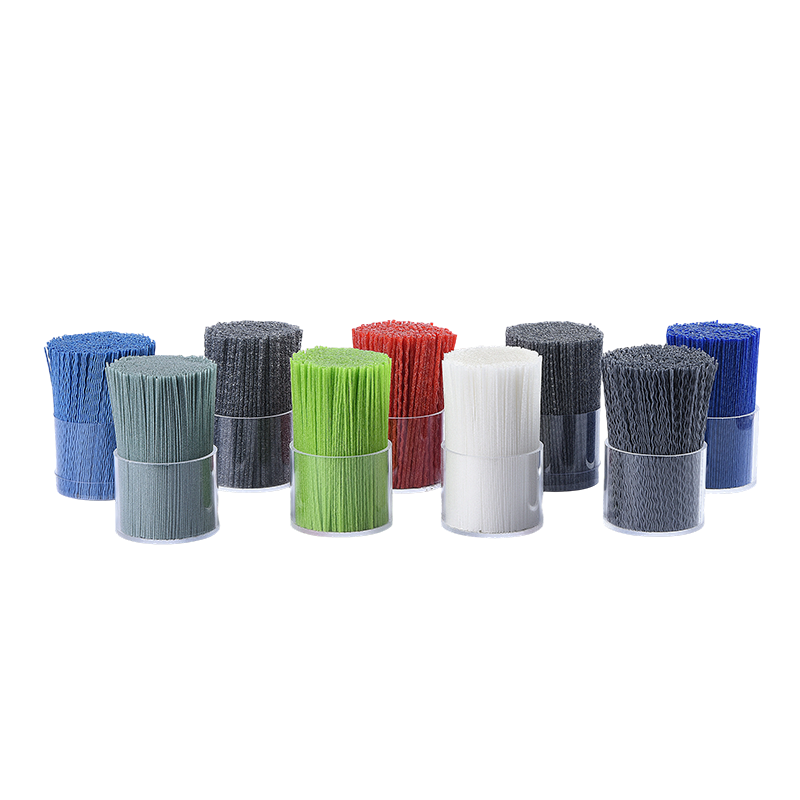
| Cross-section profile | Round, flat, crimped, spiral | Contact geometry, liquid retention, cleaning efficiency |
| Color | Natural (translucent), black, custom colors | Identification, aesthetic, UV protection (black carbon) |
| Abrasive loading | SiC or Al2O3 at 20% to 40% by weight | Surface cut rate, deburring aggressiveness |
| Tip treatment | Cut (flat), tapered, end-rounded | Contact softness, safety for personal care, cleaning reach |
| Antistatic grade | Standard or conductive additive loaded | ESD safety in electronics and clean-room applications |
| Food-contact compliance | EU 10/2011 and/or FDA 21 CFR compliant grades | Food processing and personal care regulatory clearance |
Our Nylon PA610 Brush Filament is available across this full specification range, with technical support for application matching and filament selection. Whether the requirement is fine-diameter personal care filament in end-rounded tip form, heavy-gauge abrasive filament for industrial deburring, or food-contact-compliant filament for produce processing brushes, PA610 offers the combination of material performance, sustainability credentials, and manufacturing flexibility that modern brush applications demand.