
 English
 русский
 Türk
TürkContent
- 1 What Is Nylon PA610?
- 2 Key Advantages of Nylon PA610 Brush Filaments
- 3 PA610 vs. Other Nylon Grades: A Property Comparison
- 4 Primary Applications of PA610 Brush Filaments
- 5 Manufacturing Quality and Compliance Standards
- 6 Sustainability Considerations
- 7 How to Select the Right PA610 Filament Specification
- 8 Summary: Why PA610 Stands Out Among Brush Filament Materials
Nylon PA610 brush filaments offer a superior combination of flexibility, low water absorption, chemical resistance, and dimensional stability — making them one of the most reliable choices for industrial and consumer brush applications. Whether used in toothbrush filaments, abrasive filaments, or industrial bristle products, PA610 consistently outperforms many alternative materials in durability, consistency, and performance under demanding conditions.
What Is Nylon PA610?
Nylon PA610 is a semi-crystalline polyamide synthesized from hexamethylenediamine and sebacic acid, a long-chain diacid typically derived from castor oil. The longer carbon chain in PA610 compared to PA6 or PA66 gives it a distinctly different property profile — notably lower moisture uptake and enhanced flexibility — while retaining the toughness and chemical resistance that nylon materials are known for.
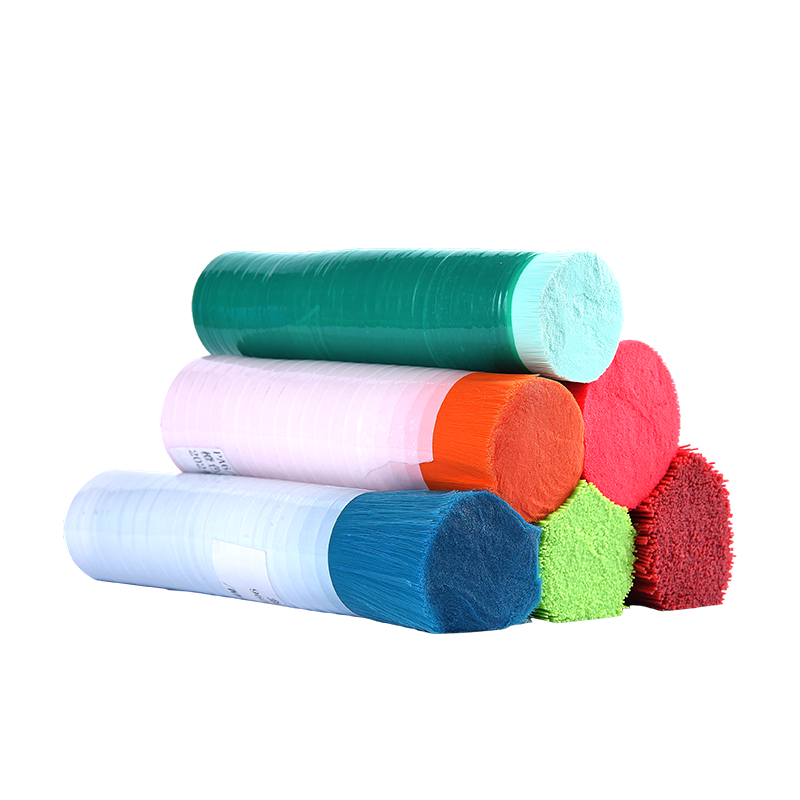
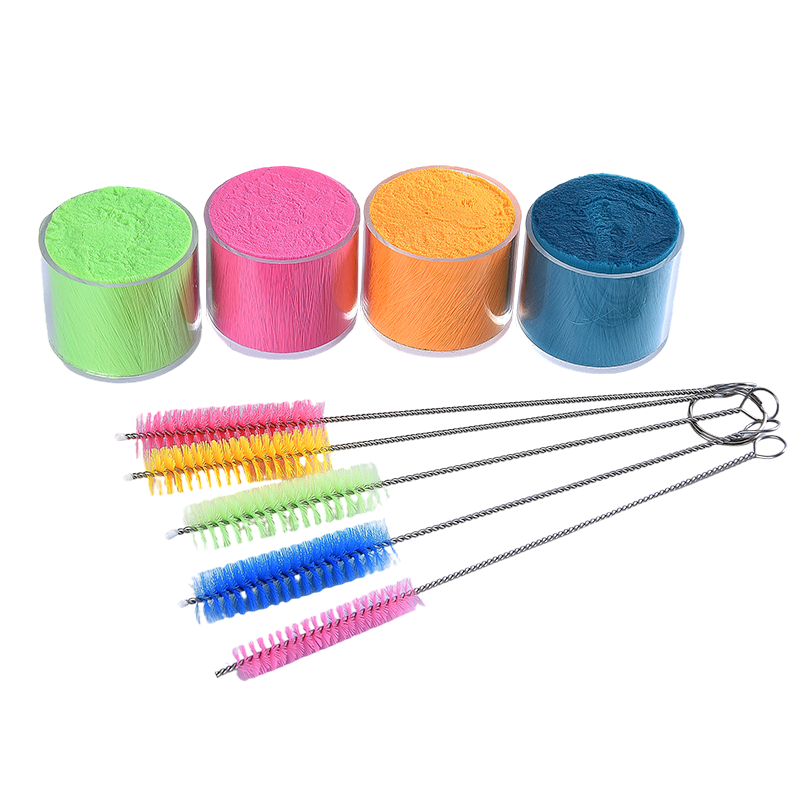
In brush filament manufacturing, PA610 is extruded into monofilaments with precise diameter control. These filaments can be engineered for a wide range of applications, from fine oral care bristles to coarse industrial scrubbing wires. The raw material's naturally bio-based content (sebacic acid from castor oil) also makes it an appealing choice for manufacturers seeking more sustainable inputs without compromising performance.
Key Advantages of Nylon PA610 Brush Filaments
1. Exceptionally Low Water Absorption
One of the most critical attributes of PA610 is its low moisture absorption rate — approximately 1.3% at equilibrium, compared to around 3.5% for PA6 and 2.5% for PA66. This matters enormously for brush filaments used in wet environments.
When nylon absorbs water, it swells, softens, and loses stiffness — a phenomenon called plasticization. In brushes, this translates to reduced cleaning efficiency, distorted filament geometry, and shorter service life. PA610 filaments, by retaining less moisture, maintain their mechanical properties far better in humid or submerged conditions. This makes them especially suited to toothbrushes, dishwashing brushes, and other personal care or wet-use applications.
2. Superior Dimensional Stability
Directly linked to its low water absorption, PA610 demonstrates outstanding dimensional stability. Filament diameter, length, and stiffness remain consistent across varying humidity and temperature conditions. For precision brush products — such as those used in PCB cleaning, medical devices, or fine surface finishing — dimensional accuracy can be critical to product function, and PA610 delivers this reliability.
In high-volume manufacturing environments, stable dimensions also reduce reject rates and ensure consistent product quality batch after batch.
3. Excellent Flexibility and Elastic Recovery
PA610's longer molecular chain imparts a degree of softness and flexibility that shorter-chain nylons lack. This makes PA610 filaments feel gentler during use — particularly valuable in oral care products where gum safety is a concern. Yet despite this flexibility, PA610 maintains excellent elastic recovery: filaments return to their original shape after deflection, resisting permanent deformation (flagging) even after repeated bending cycles.
This balance — soft enough for gentle applications, resilient enough to last — is difficult to achieve with many synthetic materials and is a defining strength of PA610.
4. Good Low-Temperature Performance
Many nylon grades become brittle at low temperatures, which limits their usefulness in cold-environment applications. PA610 retains satisfactory flexibility and impact resistance at temperatures down to approximately -40°C, outperforming PA6 and PA66 in cold conditions. This makes it a practical choice for brushes used in refrigerated equipment cleaning, outdoor winter maintenance tools, or cold storage facility applications.
5. Outstanding Abrasion and Wear Resistance
PA610 is highly resistant to surface wear, which translates directly to longer brush lifespan. In applications such as street sweeping brushes, conveyor cleaning brushes, or industrial deburring brushes, filament wear rate determines replacement frequency and total operating cost. PA610 filaments consistently show lower wear rates than many competing materials under equivalent load and speed conditions.
When compounded with abrasive grits — such as silicon carbide or aluminum oxide — PA610 also serves as a highly effective abrasive filament matrix, offering controlled, even material removal in surface finishing operations.
6. Chemical and Oil Resistance
PA610 demonstrates broad resistance to oils, greases, hydrocarbons, and many common cleaning solvents. It is also resistant to dilute acids and bases encountered in industrial cleaning environments. This chemical resilience means PA610 bristles do not degrade, discolor, or swell when exposed to the typical substances found in automotive, food processing, and manufacturing environments.
For comparison, some polymer bristle materials that excel in one area — say, acid resistance — may fail under oil exposure. PA610 offers a broader, more balanced resistance profile.
7. Self-Extinguishing and Electrical Safety
PA610 is classified as a self-extinguishing material, meaning it does not sustain flame once an ignition source is removed. This is a meaningful safety attribute for brushes used near electrical equipment, in industrial machinery, or in environments where fire hazard mitigation is required. Additionally, PA610 has good dielectric properties, supporting use in applications where electrical insulation is beneficial.
PA610 vs. Other Nylon Grades: A Property Comparison
Understanding how PA610 compares to common alternatives helps clarify when it is the right material choice for brush filament production.
| Property | PA6 | PA66 | PA610 | PA612 |
|---|---|---|---|---|
| Water Absorption (%) | ~3.5 | ~2.5 | ~1.3 | ~1.1 |
| Low-Temperature Flexibility | Fair | Fair | Good | Good |
| Abrasion Resistance | Good | Very Good | Very Good | Very Good |
| Chemical Resistance | Good | Good | Very Good | Very Good |
| Dimensional Stability | Moderate | Good | Excellent | Excellent |
| Bio-Based Content | None | None | Partial (castor oil) | Partial |
Primary Applications of PA610 Brush Filaments
PA610's well-rounded property profile makes it applicable across a broad range of brush product categories:
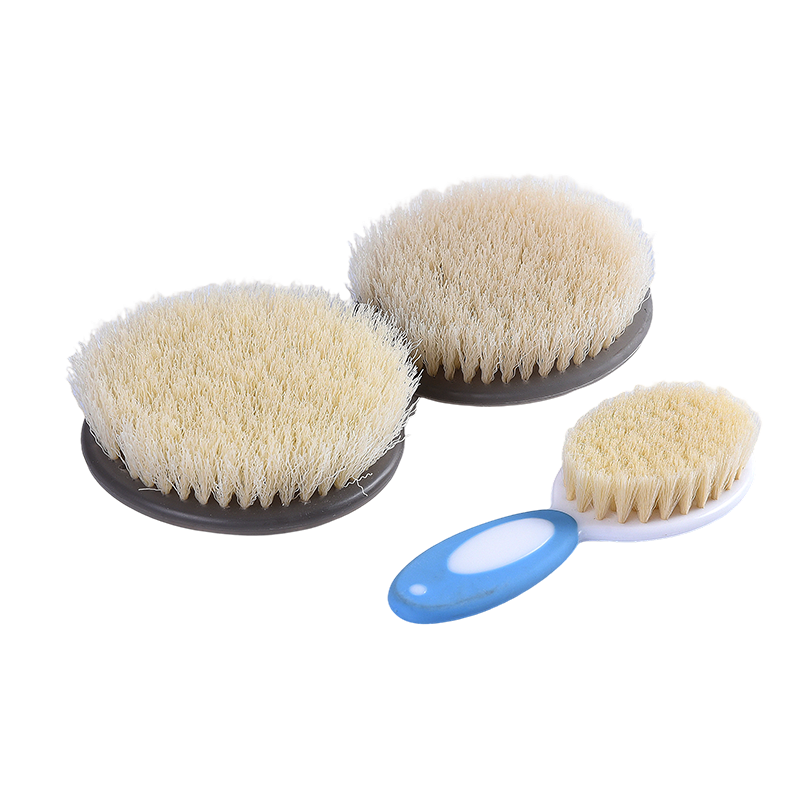
- Toothbrush filaments: Widely used in premium oral care products due to its safe, gentle feel on gum tissue combined with good durability and resistance to moisture degradation.
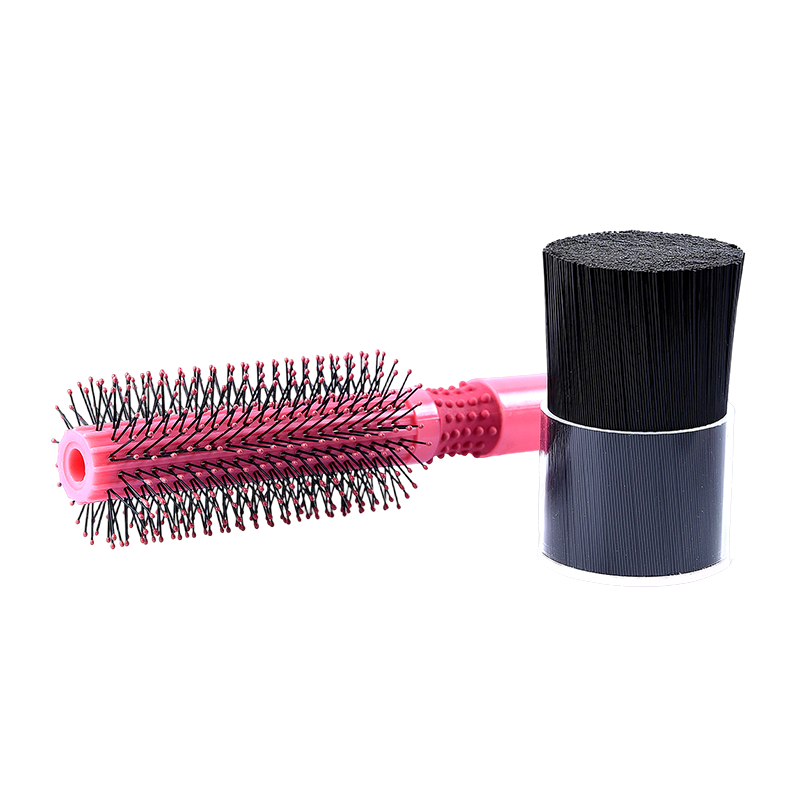
- Industrial bristle filaments: Used in surface preparation, cleaning, and deburring brushes across automotive, aerospace, and electronics manufacturing sectors.
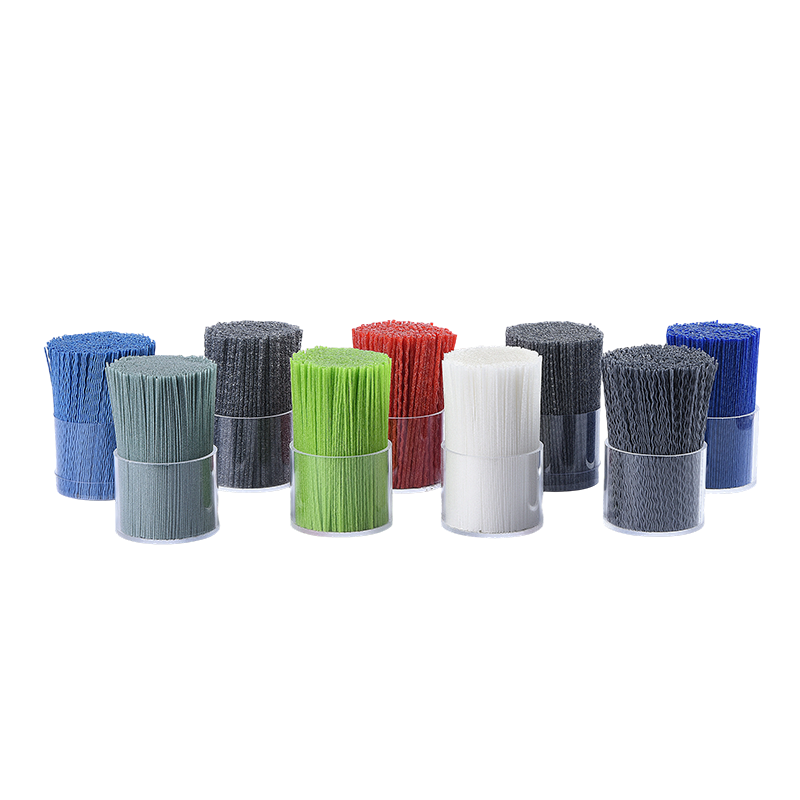
- Abrasive filaments: PA610 serves as the base polymer in abrasive-loaded filaments (e.g., with silicon carbide or aluminum oxide grits) for precision surface finishing applications.
- Frosted and matte-finish filaments: PA610 can be processed with surface texturing to produce frosted filaments used in specialty cosmetic and personal care brushes.
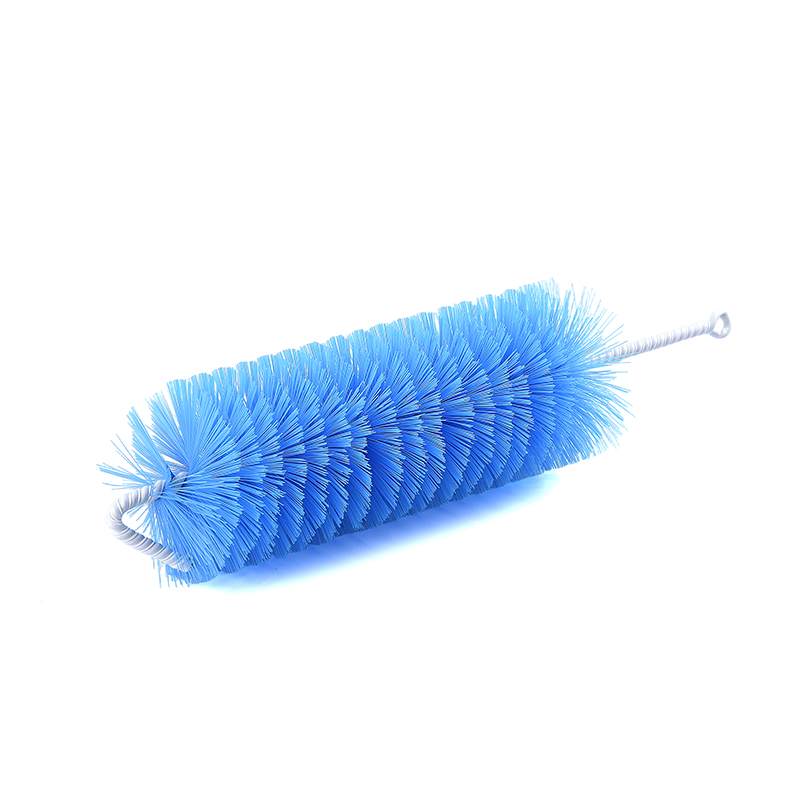
- Monofilament daily-use filaments: Widely adopted in household cleaning brushes, including bottle brushes, dish brushes, and toilet brushes, where moisture resistance and longevity are priorities.
- Outdoor and street cleaning brushes: PA610's cold-temperature resilience and wear resistance make it effective in road sweeping equipment and outdoor maintenance tools.
Manufacturing Quality and Compliance Standards
The performance advantages of PA610 can only be fully realized through precise, controlled manufacturing. Key production parameters — extrusion temperature profiles, drawing ratios, annealing conditions, and filament diameter tolerances — directly determine the final mechanical properties of the bristle.
Ningbo Keying New Material Technology Co., Ltd. operates over 7,000 square meters of dedicated production facilities with four imported advanced production lines focused on brush filament manufacturing. The company produces a full range of nylon filaments including PA6, PA66, PA610, PA612, and PBT series, with an annual output exceeding 1,000 tons. All products are manufactured under strict quality control protocols, and the product range meets the requirements of EU RoHS and SGS standards — certifications that confirm the absence of harmful substances and verify product safety for consumer and industrial use alike.
These standards matter particularly for personal care products such as toothbrush filaments, where regulatory compliance is not optional but a baseline requirement for market access in Europe and many other global markets.
Sustainability Considerations
As sustainability becomes a more prominent criterion in material selection, PA610 has a meaningful advantage: the sebacic acid component of PA610 is derived from castor oil, a renewable plant-based feedstock. This gives PA610 a partially bio-based origin, setting it apart from fully petroleum-derived nylons such as PA6 and PA66.
While PA610 is not fully biodegradable, the reduction in fossil-based raw material content contributes to lower carbon footprint per unit compared to its counterparts. For manufacturers pursuing green procurement policies or eco-label certifications for their brush products, PA610 represents a more credible starting material than conventional nylon grades.
Additionally, PA610's superior durability — longer service life, better retention of properties over time — means fewer replacements and less material waste over the product lifecycle, further strengthening the environmental case for choosing PA610.
How to Select the Right PA610 Filament Specification
PA610 filaments are available across a range of diameters and hardness grades. Selecting the correct specification requires matching the filament's physical characteristics to the intended application. The following factors should be considered:
- Filament diameter: Finer filaments (e.g., 0.1–0.15 mm) are used for soft oral care or cosmetic brushes; coarser filaments (0.3–0.8 mm and above) suit industrial scrubbing or sweeping applications.
- Stiffness (flexural modulus): Processing conditions can be adjusted to produce softer or stiffer filaments depending on the end-use requirement.
- Surface finish: Smooth, tapered, or frosted surface finishes can be engineered for different tactile and functional outcomes.
- Abrasive loading: For surface finishing applications, the type, mesh size, and concentration of abrasive grit incorporated into the filament matrix must be specified to achieve the desired surface removal rate and finish quality.
- Color and additive requirements: PA610 can be produced in a range of colors and may include UV stabilizers, antistatic agents, or other functional additives depending on the application environment.
Working closely with an experienced filament manufacturer to define the correct specification upfront avoids costly product development iterations and ensures consistent end-product performance.
Summary: Why PA610 Stands Out Among Brush Filament Materials
PA610 brush filaments occupy a strong position in the material hierarchy for demanding brush applications. The table below summarizes the core strengths that distinguish PA610:
| Advantage | Why It Matters for Brush Filaments | Typical Application Benefit |
|---|---|---|
| Low water absorption (~1.3%) | Maintains stiffness and shape in wet conditions | Longer service life in wet-use brushes |
| Dimensional stability | Consistent filament geometry across conditions | Reliable performance in precision applications |
| Elastic recovery | Resists permanent filament deformation | Brush maintains effective cleaning action over time |
| Low-temperature flexibility | Avoids brittleness in cold environments | Suitable for cold storage and outdoor winter use |
| Chemical and oil resistance | Withstands solvents, oils, and cleaning agents | Reliable in industrial cleaning environments |
| Abrasion resistance | Low wear rate under mechanical friction | Extended brush lifespan, lower replacement costs |
| Partial bio-based origin | Sebacic acid sourced from renewable castor oil | Lower carbon footprint vs. fully petroleum-based nylons |
For brush manufacturers and product developers evaluating filament materials, PA610 offers a compelling balance of performance, durability, chemical resistance, and sustainability that few alternative materials match across such a broad range of application environments. When produced under rigorous quality control and in compliance with international safety standards, PA610 filaments deliver the consistency and reliability that demanding applications require.