
 English
 русский
 Türk
TürkContent
- 1 What Are Nylon PBT Brush Filaments?
- 2 What Are Boar Bristles?
- 3 Head-to-Head Comparison: Nylon PBT vs. Boar Bristles
- 4 Durability and Lifespan: Nylon PBT Wins Convincingly
- 5 Hygiene and Safety: A Clear Advantage for Synthetic Filaments
- 6 Where Boar Bristles Still Shine: Hair Care and Oil-Based Painting
- 7 Environmental and Ethical Considerations
- 8 Performance in Specific Brush Applications
- 9 Cost and Supply Chain Stability
- 10 Innovation and Customization Potential
- 11 Summary: Which Should You Choose?
When comparing Nylon PBT brush filaments versus boar bristles, there is no single universal winner — but for most modern applications, Nylon PBT (polybutylene terephthalate) filaments outperform boar bristles in durability, consistency, hygiene, and environmental sustainability. Boar bristles retain distinct advantages in specific professional and artisanal contexts, particularly for hair brushing and certain paint applications. Understanding the strengths and weaknesses of each material will help you choose the right bristle for your specific use case.
This article provides a thorough side-by-side analysis of both materials across key performance dimensions, including physical properties, longevity, hygiene, cost, and eco-friendliness.
What Are Nylon PBT Brush Filaments?
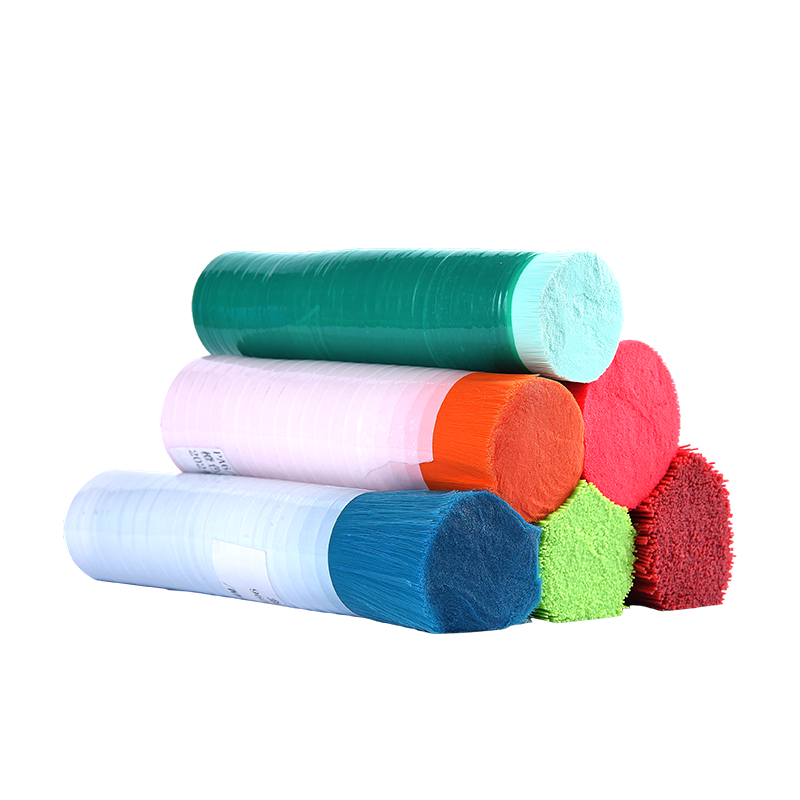
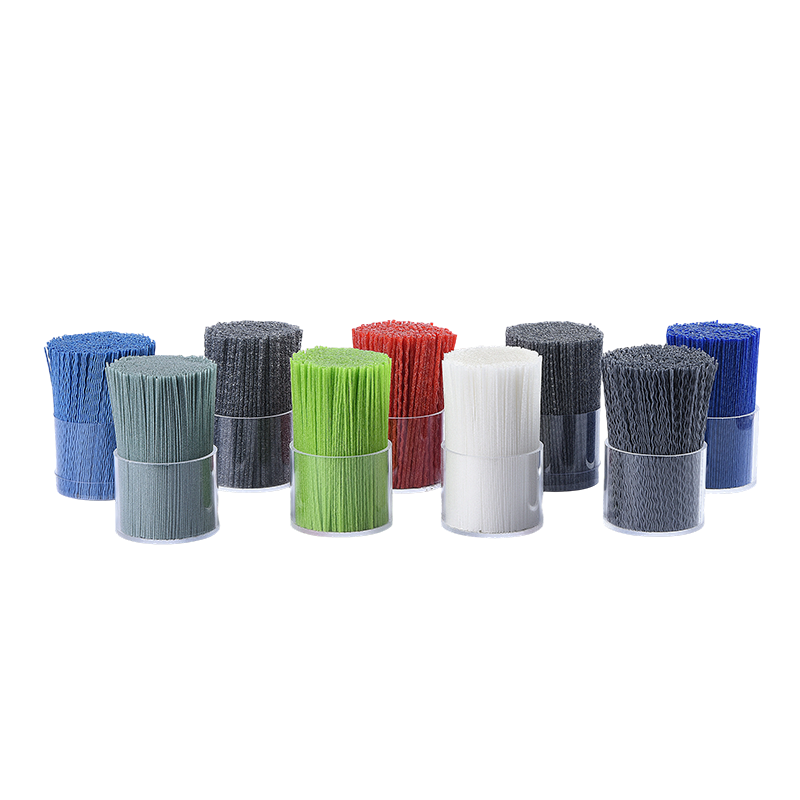
Nylon PBT stands for polybutylene terephthalate combined with nylon (polyamide) polymers. This thermoplastic engineering composite merges the best properties of both base materials: nylon contributes flexibility and abrasion resistance, while PBT adds chemical resistance, dimensional stability, and low moisture absorption.
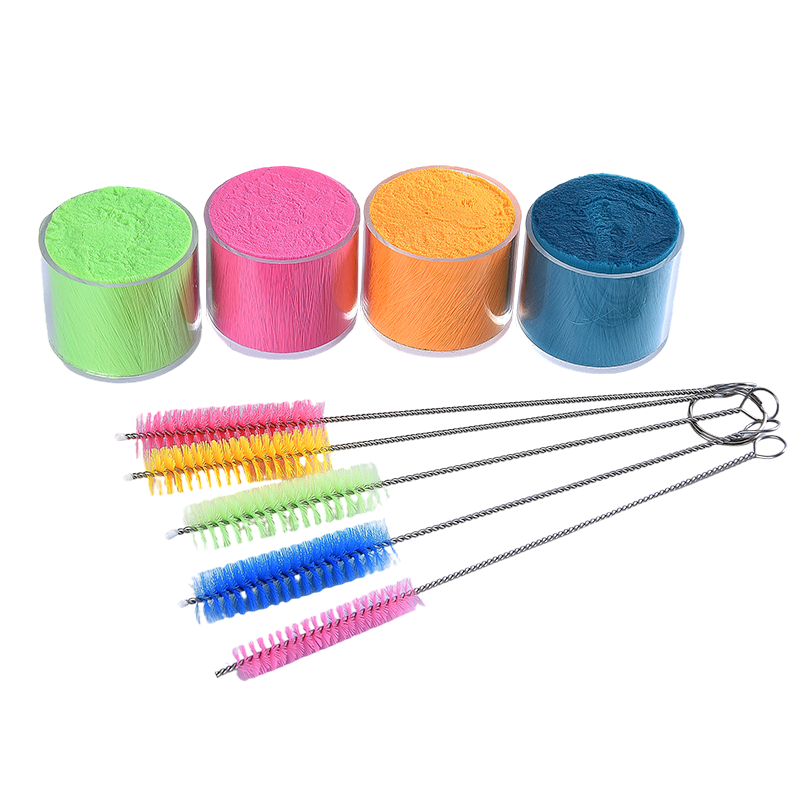
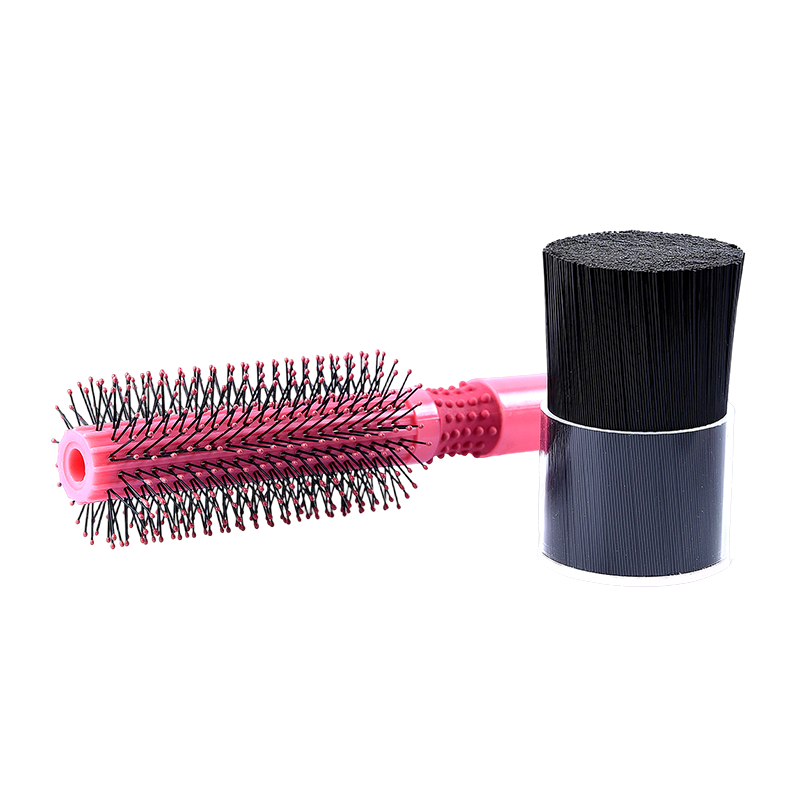
Nylon PBT filaments are manufactured through precision extrusion processes that allow engineers to control filament diameter, tip shape (tapered, flagged, or blunt), hardness, and surface texture down to micrometer tolerances. Common filament diameters range from 0.05 mm to 0.30 mm, enabling applications from ultra-fine cosmetic brushes to heavy-duty industrial cleaning brushes.
Key Physical Properties of Nylon PBT
- Tensile strength: approximately 50–65 MPa
- Moisture absorption rate: less than 0.5% (compared to nylon 6 at 3.5%)
- Operating temperature range: -40°C to 150°C
- Chemical resistance: excellent against oils, alcohols, weak acids, and most household cleaning agents
- Elastic recovery: 95%+ after repeated bending cycles
These properties make Nylon PBT filaments highly predictable and reliable in mass manufacturing environments, where consistency between individual brushes is critical.
What Are Boar Bristles?
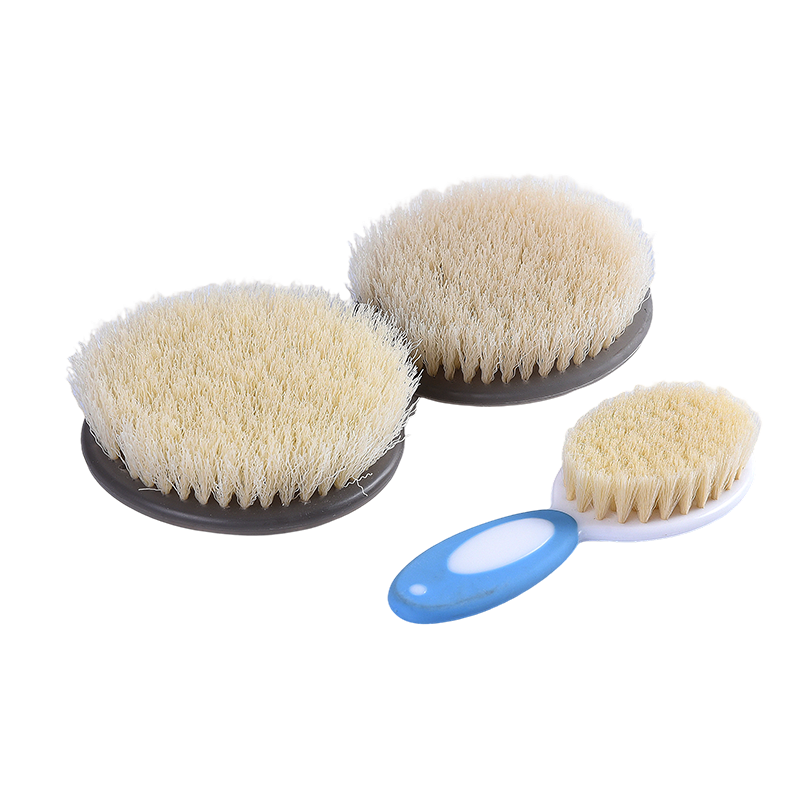
Boar bristles are natural animal fibers sourced primarily from the coat of domestic pigs (Sus scrofa domesticus). High-quality boar bristles typically come from the back and neck of the animal, where fibers are thicker and longer. They have been used in brushmaking for centuries and remain a premium material in select niches.
The structure of a boar bristle is fundamentally different from any synthetic filament. Each bristle is a hollow, multi-scaled shaft composed primarily of keratin protein — the same protein that makes up human hair. The microscopic scales along the bristle surface are what give boar bristle brushes their distinctive ability to distribute natural oils when used on hair.
Key Physical Properties of Boar Bristles
- Diameter: typically 0.10 mm to 0.20 mm, varies widely by individual animal
- Moisture absorption: high — keratin readily absorbs water and oils
- Surface structure: naturally scaled (cuticle layers), which grip and distribute oils
- Heat resistance: limited — prolonged exposure above 80°C causes brittleness
- Elastic recovery: lower than synthetic alternatives; bristles tend to splay with age
Head-to-Head Comparison: Nylon PBT vs. Boar Bristles
The table below summarizes how both materials compare across the most important performance categories for brush users and manufacturers.
| Category | Nylon PBT Filaments | Boar Bristles |
|---|---|---|
| Durability | Excellent — 95%+ elastic recovery | Moderate — splays and breaks over time |
| Moisture Resistance | Very High — <0.5% absorption | Low — absorbs moisture, may weaken |
| Chemical Resistance | High — resists oils, alcohols, weak acids | Low — keratin degrades with strong chemicals |
| Consistency | Very High — uniform diameter and flex | Variable — natural fiber, batch differences |
| Oil Distribution (Hair) | Moderate | Excellent — scaled surface excels here |
| Hygiene | High — non-porous, easy to sterilize | Lower — porous, harbors bacteria if wet |
| Temperature Tolerance | -40°C to 150°C | Up to ~80°C reliably |
| Sustainability | Recyclable, meets environmental standards | Natural/biodegradable, but animal-derived |
| Cost | Lower and stable — mass manufactured | Higher — limited natural supply |
| Vegan/Ethical | Yes — 100% synthetic | No — animal-sourced |
Durability and Lifespan: Nylon PBT Wins Convincingly
One of the most significant practical differences between the two materials is how they hold up over time. Nylon PBT filaments are engineered for long service life. Laboratory flex-fatigue tests show that Nylon PBT filaments can withstand over 500,000 bending cycles before showing signs of structural failure, making them ideal for high-frequency tools like electric toothbrushes, industrial cleaning brushes, and makeup applicators used daily.
Boar bristles, by contrast, are prone to splaying, splitting, and breaking — especially when exposed to moisture. A boar bristle hairbrush used in humid conditions may begin showing visible deterioration within 6 to 12 months. The natural keratin structure is more fragile than polymer chains, and the bristles cannot self-repair the way synthetic filaments maintain their geometry.
For paint brushes or artist brushes, where precise tip retention is critical, Nylon PBT filaments maintain their point or flat edge far longer than boar bristle equivalents. Professional painters who work with water-based acrylics or latex paints often prefer synthetic filaments precisely because they do not swell or deform when wet, unlike boar bristles.
Hygiene and Safety: A Clear Advantage for Synthetic Filaments
From a hygiene perspective, Nylon PBT filaments have a structural advantage: they are non-porous and smooth at the microscopic level, which means bacteria, fungi, and residue cannot easily penetrate the filament surface. They can be cleaned with alcohol-based disinfectants, autoclaved in some configurations, or simply rinsed and dried without compromising structural integrity.
Boar bristles present a different hygiene profile. The hollow, scaled keratin shaft readily absorbs water, oils, cosmetic residue, and organic matter. When not dried properly after use, boar bristle brushes can harbor bacterial colonies — a concern particularly relevant in cosmetic and dental brush applications. Studies on makeup brush contamination have found higher microbial loads in natural-fiber brushes compared to synthetic alternatives, especially in humid storage conditions.
For food-contact brushes, medical or dental tools, and personal care items where sterilization is important, Nylon PBT is strongly preferred by manufacturers and regulatory compliance teams.
Where Boar Bristles Still Shine: Hair Care and Oil-Based Painting
Despite the many advantages of Nylon PBT, boar bristles retain a genuine, irreplaceable advantage in certain niches — particularly hair care and oil painting.
Hair Brushing
The microscopic scales on boar bristle surfaces act like tiny paddles that pick up sebum (natural scalp oil) from the roots and redistribute it along the hair shaft. This is a mechanical action that no smooth synthetic filament can replicate with equal effectiveness. Regular use of a boar bristle hairbrush is associated with shinier, better-conditioned hair without the need for added product — a functional benefit grounded in the bristle's unique structure.
For people with fine, straight, or naturally oily hair who prioritize the natural oil-spreading function, a boar bristle brush remains the gold standard. That said, mixed brushes that combine boar bristles with nylon PBT filaments are growing in popularity, offering both oil distribution and detangling capability.
Oil Painting
Traditional oil painters often favor boar bristle (hog hair) brushes for oil-based media because the stiff, slightly rough texture of natural bristles holds large amounts of thick paint and creates textural brushwork that many artists prefer. The split ends (flags) of natural bristles distribute paint in a way that mimics historical painting techniques.
However, for water-based paints including acrylics, gouache, and watercolors, Nylon PBT brushes are the professional standard, as they maintain their shape when wet and do not swell or stiffen.
Environmental and Ethical Considerations
Sustainability has become a key purchasing criterion for consumers and businesses alike. Nylon PBT has a nuanced but generally favorable environmental profile:
- Recyclability: Nylon PBT is thermoplastic, meaning it can be melted and reprocessed. It complies with major environmental standards including RoHS and REACH.
- Longer lifespan: Because Nylon PBT brushes last significantly longer than boar bristle counterparts, they require less frequent replacement — reducing total material throughput over time.
- No animal sourcing: Synthetic filaments are fully vegan and do not depend on livestock farming supply chains.
- Biodegradability: Unlike boar bristles, Nylon PBT does not biodegrade in landfill conditions — this is one area where boar bristles hold an advantage, particularly for eco-conscious consumers who prioritize end-of-life compostability.
For brands targeting vegan, cruelty-free, or sustainability-certified markets, Nylon PBT is the clearly preferred raw material and enables compliance with certifications that exclude animal-derived ingredients.
Performance in Specific Brush Applications
The right bristle material often depends on the specific brush category. Below is a summary of which material performs better across common applications:
| Application | Recommended Material | Key Reason |
|---|---|---|
| Toothbrush | Nylon PBT | Hygiene, moisture resistance, tapered tips for gum safety |
| Hair Brush (natural oil distribution) | Boar Bristle | Scaled surface redistributes sebum along hair shaft |
| Cosmetic Makeup Brush | Nylon PBT | Hygienic, precise, vegan-friendly |
| Acrylic/Watercolor Paint Brush | Nylon PBT | Maintains shape when wet, chemical resistant |
| Oil Paint Brush (traditional) | Boar Bristle | Stiffness and flagged tips suit thick oil media |
| Industrial Cleaning Brush | Nylon PBT | High durability, chemical and heat resistance |
| Food Preparation Brush | Nylon PBT | Food-safe, easy to sterilize, no animal-derived material |
| Shaving Brush | Either (preference-dependent) | Synthetic is vegan; boar bristle offers a traditional feel |
Cost and Supply Chain Stability
From a manufacturing and procurement standpoint, Nylon PBT filaments offer significant advantages in price stability and supply predictability. As a synthetic material produced through controlled industrial processes, Nylon PBT pricing is tied primarily to petrochemical feedstock costs, which fluctuate moderately and can be hedged through long-term contracts.
Boar bristles are subject to agricultural commodity volatility. Supply depends on pig farming output, geographic sourcing (China produces the majority of commercial boar bristles globally), seasonal processing cycles, and export regulations. High-grade boar bristle suitable for premium brushes has grown increasingly scarce and expensive as demand from artisan and luxury segments competes with limited supply.
For high-volume brush manufacturers, Nylon PBT provides cost-effective, scalable production with precise quality control at every stage — from raw filament to finished product. A typical Nylon PBT filament for toothbrush or cosmetic applications may cost 30–50% less per kilogram than equivalent-quality boar bristle, depending on grade and sourcing region.
Innovation and Customization Potential
One of the underappreciated advantages of Nylon PBT is its extraordinary degree of customizability. Engineers can modify a wide range of filament parameters to optimize performance for any specific application:
- Tip geometry: Tapered ends (narrowing from 0.18 mm to 0.01 mm) dramatically improve gentleness on sensitive surfaces such as gums or skin.
- Cross-sectional shape: Round, flat, star-shaped, or hollow cross-sections alter flex behavior and paint/fluid carrying capacity.
- Surface coatings: Anti-bacterial silver-ion treatments, charcoal infusions, or hydrophilic coatings can be embedded in or applied to Nylon PBT filaments.
- Color: Any color can be achieved through masterbatch pigmentation without affecting structural properties.
- Stiffness grading: From ultra-soft (suitable for infant brushes) to extra-firm (industrial scrubbing), stiffness is controllable through diameter and polymer blend ratios.
Boar bristles offer no such engineering control. Each batch varies naturally, and there is no mechanism to alter surface chemistry, tip geometry, or cross-section without destroying the material's natural properties. This limits the design latitude available to product developers working with boar bristles.
Summary: Which Should You Choose?
Based on the analysis above, here is a straightforward guide for choosing between Nylon PBT filaments and boar bristles:
Choose Nylon PBT if you need:
- Long-lasting brushes that maintain their shape through repeated use
- Hygienic, easy-to-clean tools for cosmetics, food, dental, or medical applications
- Vegan and cruelty-free certified products
- Resistance to water, chemicals, or elevated temperatures
- Scalable manufacturing with consistent quality control
- Customizable stiffness, tip shape, or special functional coatings
Choose Boar Bristles if you need:
- Natural sebum distribution for hair brushing and scalp care
- Traditional oil painting with thick, textured brushwork
- A natural, biodegradable material for end-of-life environmental preference
- A traditional, artisanal aesthetic for premium brush products
For the vast majority of modern brush applications, Nylon PBT filaments represent the superior choice — offering greater durability, better hygiene, broader chemical resistance, and more design flexibility at a lower and more stable cost. Boar bristles remain irreplaceable in their niche areas, but their use is increasingly limited to specific traditional or luxury contexts where their unique natural properties justify the trade-offs.